Finding opportunities to play amateur football in Barcelona for adults seeking a recreational environment has become a popular topic for residents looking to balance fitness with social engagement. While the city is world-renowned for professional clubs like FC Barcelona, the local landscape offers a diverse range of informal leagues, social groups, and community-based organizations that cater to players who prefer a non-competitive, casual atmosphere over traditional, high-pressure league play.
For individuals approaching or past the age of 30, the shift from neighborhood-level competitive play to recreational sport often involves navigating a mix of private pitch rentals, local municipal facilities, and digital community boards. According to the Barcelona Institute of Sports, the city maintains an extensive network of public and private sports facilities that support both organized and informal athletic activities across its ten districts.
Navigating Recreational Football Options in Barcelona
Adults looking to return to the pitch without the commitment of a formal league schedule often turn to “pick-up” games or social football apps. These platforms allow users to book spots in matches organized specifically for recreational players. Unlike formal league structures, these games are typically organized by duration—often 60 to 90 minutes—and prioritize participation over standings or promotion.
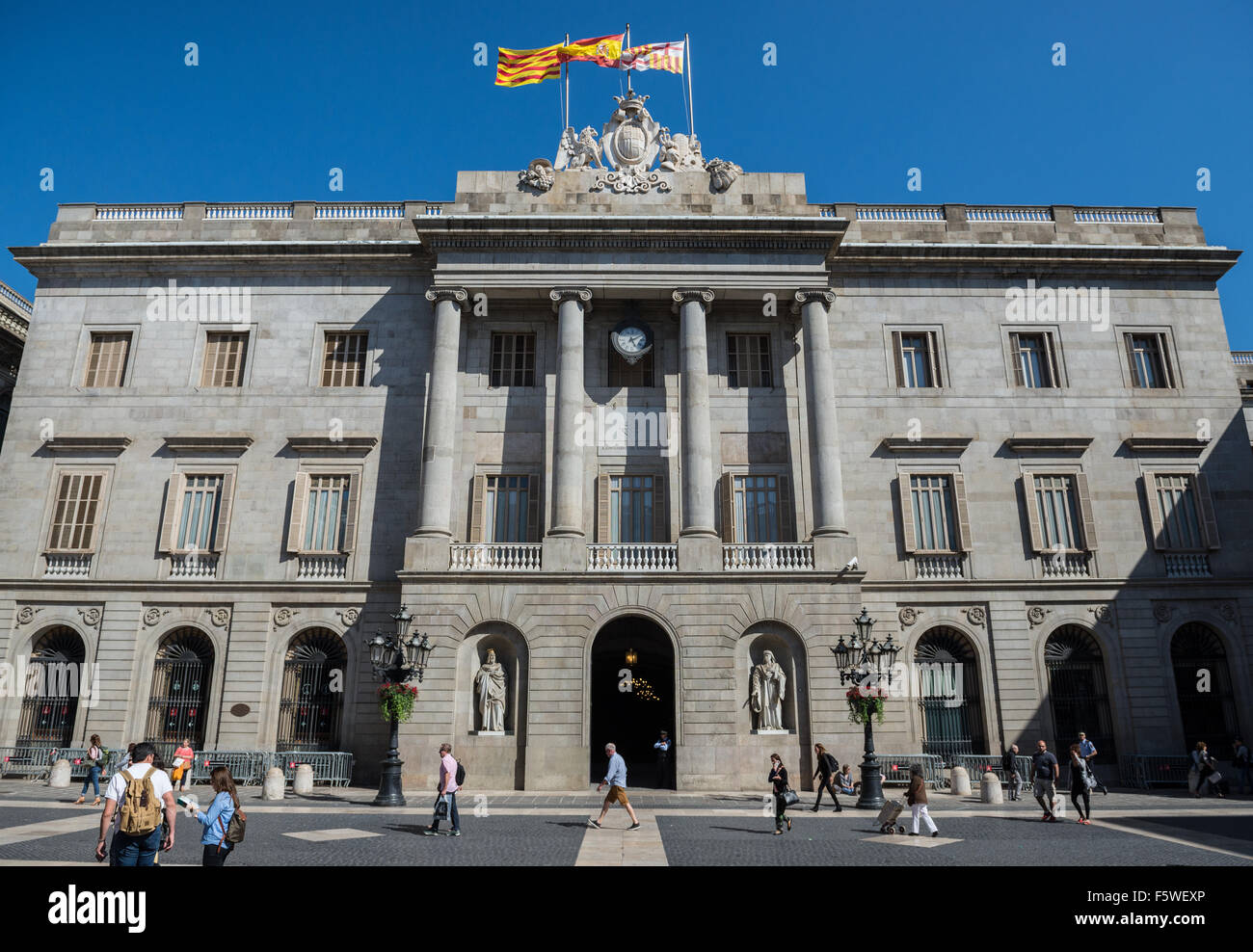
The municipal sports landscape, known as Instal·lacions Esportives Municipals, provides access to high-quality artificial turf fields. As noted by the Barcelona City Council, residents can utilize these facilities through various booking systems, though availability can be highly competitive during peak evening hours and weekends. For those seeking a social environment, many neighborhood associations organize informal weekly matches that function outside of the official Catalan Football Federation (FCF) structure, which governs professional and semi-professional leagues in the region.
Community-Driven Sport and Social Integration
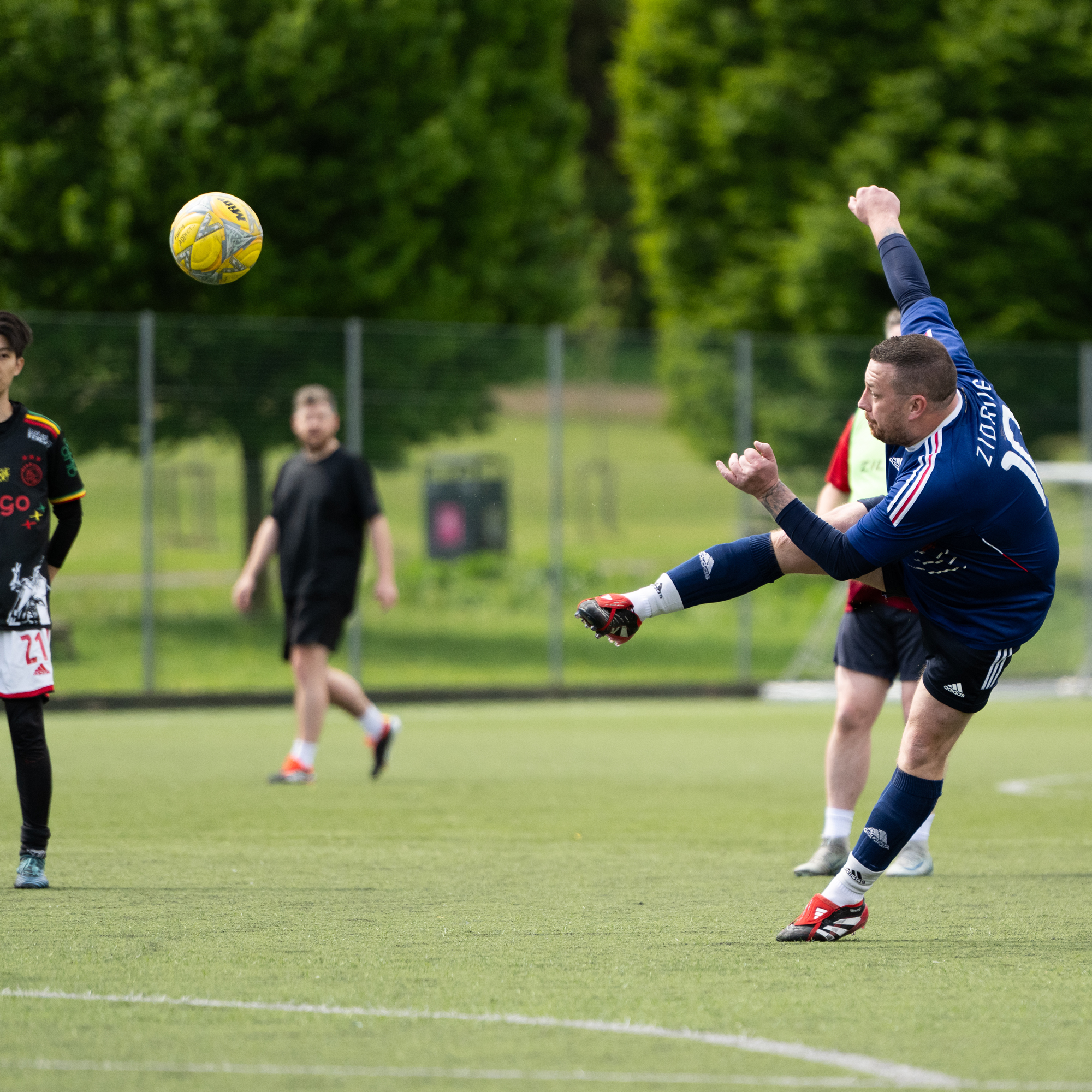
The appeal of returning to football at age 30 often centers on the social aspect of the game. In Barcelona, the culture of “futbol de barri” (neighborhood football) remains a cornerstone of community life. Several community centers and expat-focused social groups host regular sessions that emphasize inclusivity and fitness rather than competitive intensity.
Digital platforms and social media groups have become the primary method for coordinating these activities. Potential players often utilize forums to find groups that match their skill level and preferred intensity. By focusing on non-league play, participants avoid the rigorous travel and registration requirements mandated by the Federació Catalana de Futbol, which oversees the formal pyramid of Catalan football. This distinction is critical for those who want to avoid the administrative and time-intensive nature of registered league play.
Practical Advice for Finding a Match
For those new to the city or returning to the sport, the most efficient path to finding a game involves three primary steps:
- Digital Community Boards: Platforms like Meetup and various local Facebook groups are frequently used to organize weekly games that welcome players of all levels.
- Municipal Facility Inquiries: Visiting a local Poliesportiu (municipal sports center) can provide insight into which neighborhood clubs or informal groups use their fields for open sessions.
- Social Football Apps: Several mobile applications now operate in Barcelona, allowing users to pay per game to join pre-organized matches, ensuring a guaranteed spot on the field without the need to manage a team.
The Barcelona municipal directory provides a searchable database of all public sports centers, offering details on location, available amenities, and contact information for facility managers who can confirm if casual groups are currently active at their sites.
The Role of Municipal Infrastructure
Barcelona’s commitment to urban sports infrastructure is codified in its municipal sports strategy, which aims to promote physical activity for all age groups. According to reports from the Barcelona City Council, the city continues to invest in the modernization of neighborhood pitches to ensure that informal sports remain a viable option for residents. This infrastructure is essential for the “futbol de barri” culture, as it provides safe and accessible spaces for spontaneous matches that do not require the overhead of a private membership.

For players 30 and older, the focus often shifts toward injury prevention and recovery. The city’s public sports centers frequently offer supplementary wellness programs, including access to gyms and recovery facilities, which complement the recreational football experience. Engaging with these municipal resources allows players to maintain a consistent routine while benefiting from the city’s broader commitment to public health and urban well-being.
Looking Ahead
As the football season progresses, the availability of pitches and organized social matches remains subject to change based on municipal scheduling and local demand. Players interested in securing a spot for the upcoming season are encouraged to monitor local community boards and official city sports announcements for updates on facility access and potential changes to registration protocols for municipal fields.
For those seeking further information on local sports policies or looking to join a community, the official Barcelona Sports contact portal remains the primary point of contact for inquiries regarding municipal facility usage and public sports initiatives. We encourage our readers to share their experiences with local recreational football in the comments section below to help others find their place on the pitch.
Related reading