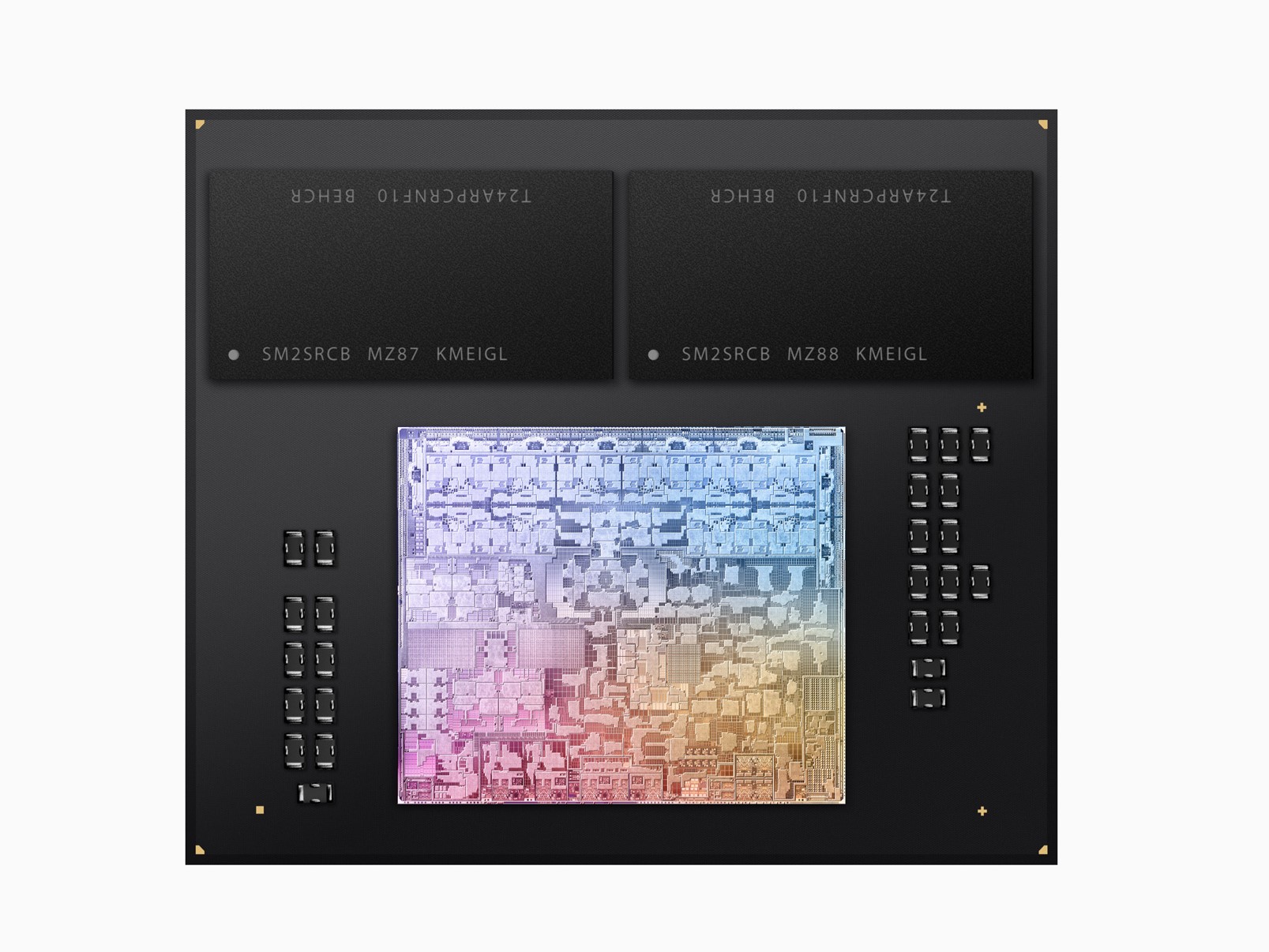
Apple may skip the high-end M6 chips and shift premium Macs to AI-focused M7 processors, making the upgrade decision tougher for power users. This shift, which focuses on integrating advanced artificial intelligence capabilities directly into the core architecture of premium Mac hardware, creates a complex upgrade cycle for professional users who rely on high-performance tiers of Apple’s custom silicon.
Industry analysts and supply chain observers note that Apple’s internal roadmap adjustments often reflect broader shifts in consumer demand and the rapid evolution of on-device AI requirements. By moving toward the M7 architecture, Apple appears to be prioritizing the thermal and power efficiency necessary to run large language models and other neural processing tasks locally on macOS devices.
Shifting Development Cycles and Silicon Architecture
The reported decision to skip the M6 Pro and M6 Max iterations marks a departure from the established naming conventions that have defined Apple’s premium laptop and desktop offerings. A shift toward an M7 generation suggests that the hardware design team may be aligning future releases with the rapid pace of AI software development, rather than traditional computing benchmarks.
This strategy reflects a broader industry trend where semiconductor performance is increasingly measured by TOPS (trillions of operations per second) in neural processing rather than just CPU clock speeds. For power users, the move to an M7 generation could mean that the next significant performance leap will be centered on local AI capabilities, potentially leaving those who prioritize raw multi-core processing power waiting longer for a traditional hardware refresh.
Impact on Professional Mac Users
The potential removal of the M6 Pro and M6 Max tiers from the roadmap creates uncertainty for enterprise and creative users who manage multi-year hardware procurement cycles. If Apple pivots directly to an M7-series architecture, the performance gap between current machines and the next generation of premium hardware may widen, forcing users to reconsider the timing of their capital investments in Mac hardware.
The current rumored adjustment highlights the difficulty of maintaining a predictable roadmap in an industry currently undergoing a radical pivot toward integrated AI silicon. Users who require specific port configurations, thermal headroom, and high-memory capacities will likely watch for official announcements.
Technological Priorities in the AI Era
The focus on the M7 generation underscores the necessity of hardware-software co-design. By controlling the entire stack, from the instruction set architecture to the operating system, Apple aims to maintain a competitive advantage in latency and power efficiency. This is particularly relevant as macOS continues to incorporate more machine learning features, such as advanced image processing, real-time transcription, and predictive coding tools.
For Apple, this means the M7 chip must balance the high power requirements of AI inference with the portability and battery life standards that define the MacBook line. As the industry moves forward, the success of this strategy will depend on whether the increased AI throughput justifies the departure from the established, tiered processor lineup that has served power users for years.
Apple has not provided an official comment on its future chip roadmap beyond currently available products. The next confirmed checkpoint for potential hardware announcements remains the company’s scheduled product cycles. We will continue to monitor supply chain reports for updates on the M7 development timeline. Readers are encouraged to share their thoughts on these potential changes in the comments section below.
Worth a look