
Predictions regarding a significant shift in personal fortunes and broader economic trends for late 2026 have gained visibility across various media platforms. Astrological commentators suggest that the latter half of 2026 may represent a period of transition, potentially leading to increased stability or growth for individuals across the 12 zodiac signs. Simultaneously, financial analysts continue to monitor market volatility, emphasizing that economic outcomes remain tied to global fiscal policies and institutional performance rather than external cycles.
While public interest in astrological forecasting often peaks during periods of economic uncertainty, it is essential to distinguish between subjective cultural commentary and verifiable financial data. Market fluctuations, often described in media reports as "surges" or "crashes," are typically influenced by central bank interest rate decisions, inflation data, and corporate earnings reports, as tracked by major financial institutions like the International Monetary Fund.
Understanding Market Volatility and Economic Indicators
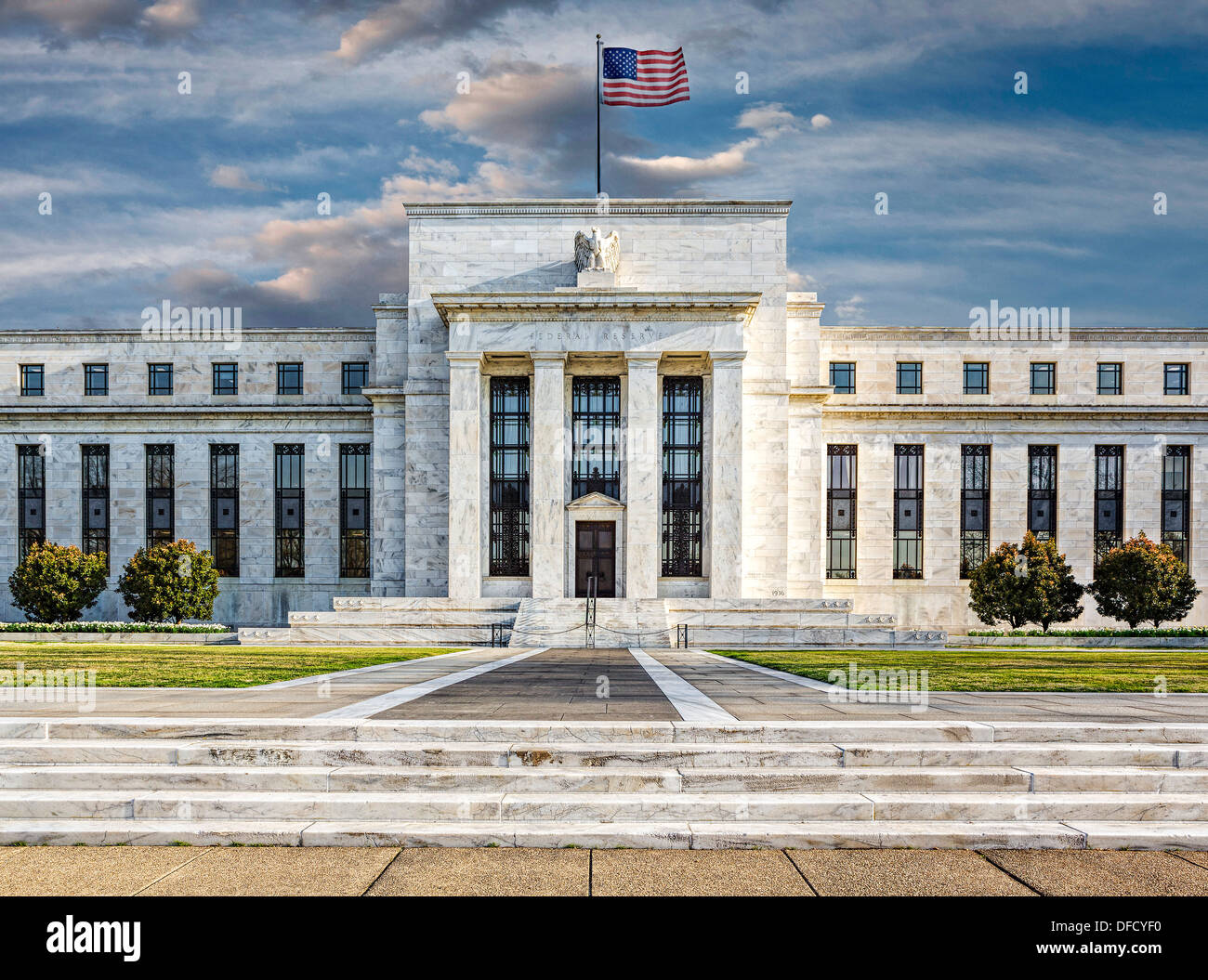
Recent media discussions regarding potential stock market instability in the coming years often mirror broader concerns about macroeconomic health. Financial experts frequently point to the Federal Reserve’s monetary policy decisions as the primary driver of market direction. When interest rates fluctuate, investor behavior shifts, often leading to the volatility observed in global indices. Unlike forecasts based on planetary alignment, these movements are grounded in observable metrics such as the Consumer Price Index (CPI) and unemployment rates, which are updated monthly by government bureaus.

For investors, the distinction between speculative narrative and institutional analysis is critical. While some commentators warn of “extreme volatility,” seasoned market participants look to historical data and yield curves to assess risk. According to the Organization for Economic Co-operation and Development (OECD), sustainable economic growth is generally linked to structural reforms and labor productivity, rather than cyclical timing. Investors are encouraged to consult official quarterly reports from their respective brokerage firms or regulatory bodies like the Securities and Exchange Commission (SEC) to make informed decisions regarding their portfolios.
The Role of Cultural Commentary in Modern Media
The popularity of horoscopes and life-path predictions often serves as a form of social engagement, providing a narrative structure for individuals navigating uncertain times. In many cultures, these readings are viewed as entertainment or a means of psychological reflection. However, it is important to note that these interpretations lack empirical validation. When media outlets report on “high-growth” periods for specific personality types or zodiac signs, they are synthesizing cultural tropes, rather than reporting on verifiable events.
In my experience covering high-stakes sports, I have seen how athletes often seek mental clarity through various routines. Whether an individual finds motivation in astrological guidance or personal discipline, the objective outcome of any endeavor—be it a championship match or a financial investment—remains dependent on execution and external environmental factors. Readers should approach these “predictions” as lighthearted cultural content rather than actionable advice for professional or financial planning.
Navigating Future Uncertainty
As we move toward the latter half of 2026, the global landscape will be shaped by ongoing technological advancements, climate policy, and geopolitical shifts. These documents offer a more reliable framework for understanding the future than speculative forecasting.
For those interested in tracking actual progress, the following resources provide verified updates:
- The World Bank Global Economic Prospects: Offers data-backed outlooks on growth and regional stability.
- National Statistical Offices: Provide the most accurate data regarding domestic inflation and employment figures.
- Peer-reviewed financial journals: Essential for understanding the nuances of market theory and historical economic behavior.
The next major checkpoint for global economic assessment will be the release of the upcoming World Economic Outlook, which provides updated projections based on current trade and fiscal data. Engaging with verified information ensures that personal and professional planning is built on a foundation of reality. We invite readers to share their perspectives on how they prepare for future uncertainties in the comments section below.