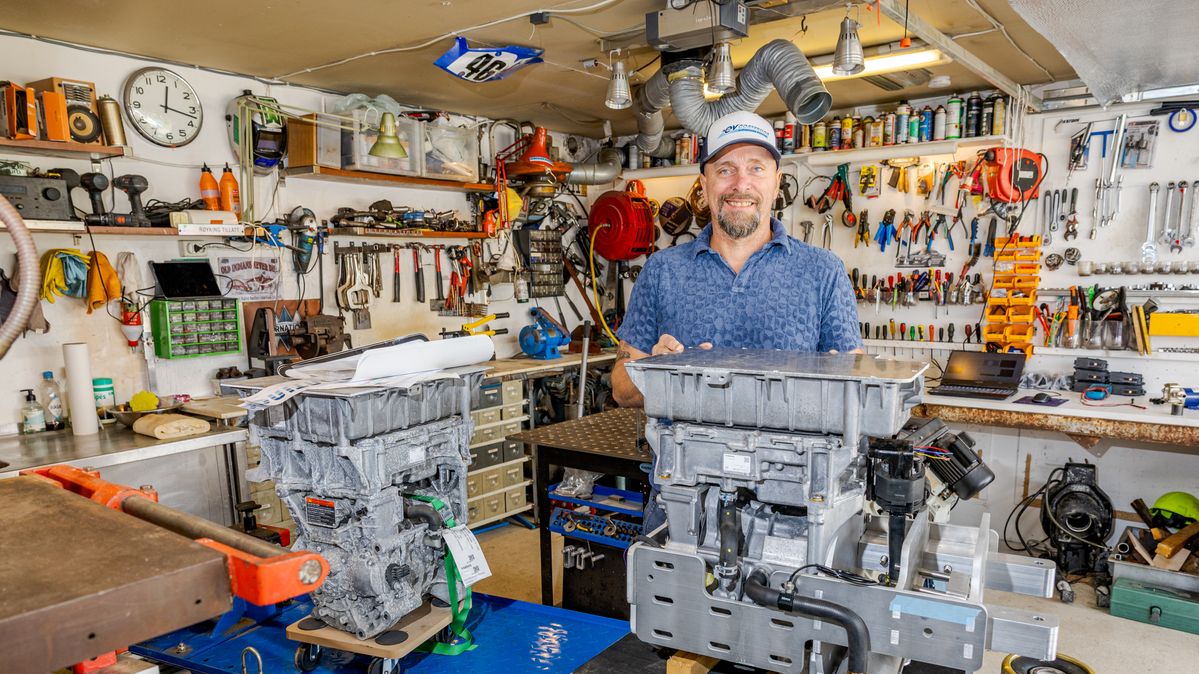
Morten, a Norwegian technician, is converting traditional boats into electric-powered vessels by repurposing motors and battery packs from decommissioned electric vehicles. This method utilizes “second-life” battery technology to provide a sustainable, lower-cost alternative for marine electrification, addressing the growing surplus of aging electric vehicle (EV) components.
The practice of repurposing EV batteries for boats involves extracting lithium-ion battery modules from vehicles that no longer meet the high-performance standards required for automotive use. While these batteries may drop below the capacity threshold necessary for driving, they often retain significant energy density suitable for the lower-intensity discharge requirements of marine propulsion.
How does repurposing EV batteries for boats work?
The conversion process begins with the salvage of electric motors and battery arrays from scrapped or end-of-life electric vehicles. In the project led by Morten, these components are integrated into existing boat hulls to replace traditional internal combustion engines. This transition requires significant electrical engineering to ensure the vehicle’s original components can communicate with the boat’s new power requirements.

A critical component of this conversion is the Battery Management System (BMS). Every EV battery pack relies on a specialized BMS to monitor cell voltage, temperature, and state of charge. When repurposing these units for marine use, engineers must either adapt the existing automotive BMS or install a new, marine-grade system capable of managing the specific load profiles of a boat. Failure to manage these variables can lead to cell imbalance or thermal runaway.
Beyond the battery, the electric motors salvaged from EVs are also being adapted. These motors are designed for high torque and efficiency, characteristics that are highly desirable for moving vessels through water. The integration involves matching the motor’s voltage requirements with the repurposed battery’s output, often requiring custom-built inverters to bridge the gap between the energy source and the propulsion system.
Why is the “second-life” battery market growing?
The “second-life” market centers on the economic and environmental reality of lithium-ion battery degradation. As electric vehicles age, their batteries typically lose capacity, often falling to between 70% and 80% of their original energy storage. While this reduction makes them less ideal for the range-sensitive demands of long-distance driving, the batteries remain highly functional for stationary storage or lower-demand applications.

Repurposing these batteries offers two primary advantages over traditional recycling:
- Reduced Carbon Footprint: Manufacturing new lithium-ion cells is an energy-intensive process involving mining and chemical processing. Extending the life of an existing cell through a second application significantly lowers the total lifecycle emissions of the hardware.
- Economic Efficiency: Salvaged components are substantially cheaper than new, purpose-built marine batteries. For small-scale boat owners or hobbyists, this reduction in capital expenditure makes electric propulsion a more accessible option.
The following table compares the two primary paths for end-of-life EV batteries:
| Feature | Direct Recycling | Second-Life Repurposing |
|---|---|---|
| Primary Objective | Recovery of raw materials (Lithium, Cobalt, Nickel) | Extension of component functional lifespan |
| Energy Intensity | High (Requires smelting or chemical separation) | Low (Requires mechanical and electrical integration) |
| Economic Driver | Commodity market prices for metals | Cost-savings on energy storage hardware |
| Environmental Impact | Reduces mining demand | Reduces manufacturing and waste volume |
What are the technical challenges of marine battery integration?
Converting a vehicle battery for marine use is not a simple “plug-and-play” operation. Several technical hurdles must be cleared to ensure the vessel is both functional and safe.
Waterproofing and Environmental Protection: Marine environments are characterized by high humidity, salt spray, and constant vibration. While EV batteries are designed to be robust, they are not inherently built for prolonged submersion or the corrosive nature of saltwater. Repurposed systems require specialized enclosures and sealing techniques to prevent electrical shorts and hardware degradation.
Weight Distribution and Hull Integrity: Battery packs are heavy. In a boat, the placement of this weight is vital for stability and buoyancy. Unlike a car, where the battery is often located in a low, central chassis, a boat designer must carefully calculate the center of gravity to prevent the vessel from becoming unstable or prone to capsizing.
Thermal Management: Electric motors and batteries generate heat during operation. In a marine setting, managing this heat is essential to prevent the degradation of the cells. Engineers often utilize the surrounding water as a heat sink, employing liquid cooling systems that circulate coolant through the battery modules to maintain optimal operating temperatures.
Frequently Asked Questions
Is it safe to use old EV batteries in a boat?
Safety depends entirely on the quality of the integration. Using a professional-grade Battery Management System (BMS) is mandatory to monitor for voltage spikes and temperature irregularities. Without proper monitoring and enclosure, repurposed batteries pose a risk of fire or electrical failure.

How long do second-life batteries last?
The lifespan of a second-life battery depends on its remaining capacity and how it is used. In marine applications, where discharge rates may be more consistent and less aggressive than in automotive driving, these batteries can often provide several years of additional service.
Can any electric vehicle battery be repurposed?
Not all batteries are suitable. The chemistry of the cells must be compatible with the intended application, and the physical dimensions must fit within the vessel’s design constraints. Lithium iron phosphate (LFP) batteries are often preferred for second-life applications due to their stability and long cycle life.
The next major development for this sector will be the establishment of standardized certification protocols for repurposed marine power systems, which would allow for wider commercial adoption of second-life technology.
Do you have thoughts on the future of repurposed EV technology? Share your comments below and share this article with your network.