
SES and Tototheo have expanded their partnership to provide multi-orbit maritime connectivity services, combining SES satellite capacity with Tototheo’s technology solutions to deliver high-speed, reliable internet to commercial and cruise vessels globally. This expanded collaboration aims to support critical vessel operations, crew welfare, and the digital transformation of the maritime industry through a combination of Geostationary (GEO) and Medium Earth Orbit (MEO) satellite technologies.
The agreement focuses on addressing the increasing demand for bandwidth in the maritime sector, where traditional connectivity often fails to meet the requirements of modern, data-intensive operations. By leveraging SES’s diverse satellite fleet—including the high-throughput O3b mPOWER MEO constellation—and Tototheo’s specialized maritime hardware and integration expertise, the partnership offers a hybrid connectivity model designed to maintain consistent service even in remote ocean locations.
What does the SES and Tototheo partnership provide for maritime customers?
The expanded partnership provides a managed connectivity solution that integrates SES’s multi-orbit satellite network with Tototheo’s end-to-end technology services. According to the companies, the goal is to offer maritime operators a seamless experience that bridges the gap between basic connectivity and the high-performance requirements of modern digital shipping.

Tototheo acts as the technology integrator, providing the necessary hardware, installation, and technical support required to utilize SES satellite capacity on various vessel types. SES provides the underlying space-based infrastructure, offering both Geostationary (GEO) satellites for broad coverage and Medium Earth Orbit (MEO) satellites for low-latency, high-capacity data needs. This multi-orbit approach allows vessels to switch between or combine different satellite signals to ensure they remain connected regardless of their position on the globe.
The services are designed to support several key maritime functions:
- Mission-critical operations: Real-time monitoring of engine performance, fuel consumption, and structural integrity.
- Navigation and Safety: Reliable data transfer for electronic charts, weather updates, and automated identification systems (AIS).
- Crew Welfare: High-speed internet access for crew members to communicate with families, which is increasingly recognized as a vital component of crew retention and mental health.
- Digitalization: Enabling the use of Internet of Things (IoT) sensors and cloud-based enterprise resource planning (ERP) systems at sea.
How do multi-orbit satellite services improve maritime connectivity?
Multi-orbit connectivity utilizes different layers of satellite constellations to balance coverage, latency, and throughput. In the maritime industry, relying on a single orbit type often presents a trade-off between the broad, constant coverage of GEO satellites and the high-speed, low-latency benefits of MEO or Low Earth Orbit (LEO) satellites.

According to technical specifications provided by SES regarding their O3b mPOWER constellation, MEO satellites orbit significantly closer to Earth than GEO satellites. This proximity reduces the time it takes for a signal to travel from the vessel to the satellite and back, a metric known as latency. Lower latency is essential for applications like video conferencing, real-time remote diagnostics, and cloud computing, which can become unusable with the high latency (often exceeding 600 milliseconds) typical of GEO-only connections.
However, GEO satellites remain essential because they remain in a fixed position relative to the Earth, providing stable, wide-area coverage. By integrating both, the SES and Tototheo partnership allows a vessel to utilize GEO for steady, foundational data and MEO for high-demand, time-sensitive tasks. This hybrid capability helps prevent “blackout” periods and ensures that bandwidth is optimized based on the vessel’s immediate operational needs.
| Feature | Geostationary (GEO) | Medium Earth Orbit (MEO) |
|---|---|---|
| Approximate Altitude | High altitude | Lower altitude |
| Latency | High (600ms+) | Low (often <150ms) |
| Primary Strength | Broad, constant coverage | High throughput and low latency |
| Maritime Application | Basic data, weather, broadcast | Video, cloud apps, IoT, crew Wi-Fi |
Why is the maritime industry shifting toward high-speed satellite data?
The shift toward high-speed connectivity is driven by the rapid digitalization of the global shipping and cruise industries. As vessels become increasingly “smart,” they generate massive amounts of data that must be transmitted to shore-based offices for analysis and decision-making. This trend is part of a larger movement toward maritime autonomy and efficiency.
One major driver is the implementation of advanced IoT technologies. Modern ships use thousands of sensors to monitor everything from engine temperature to cargo stability. Processing this data in real-time via the cloud allows companies to implement predictive maintenance, which can prevent costly mechanical failures and reduce downtime. Without the high-bandwidth capabilities offered by multi-orbit services, transmitting these large datasets in real-time would be functionally impossible.
Furthermore, the cruise industry has become a significant consumer of maritime broadband. Modern passengers expect “land-like” connectivity, including streaming services and social media access. For cruise operators, providing high-quality internet is no longer a luxury but a standard requirement for competitiveness. The partnership between SES and Tototheo targets this demand by providing the scalable bandwidth necessary to support hundreds of users on a single vessel simultaneously.
Who is affected by these technological advancements?
The expansion of maritime satellite services affects several distinct groups within the global maritime ecosystem. Shipping companies, cruise lines, and offshore energy operators are the primary beneficiaries, as they gain the tools necessary to increase operational efficiency and reduce costs through better data visibility.
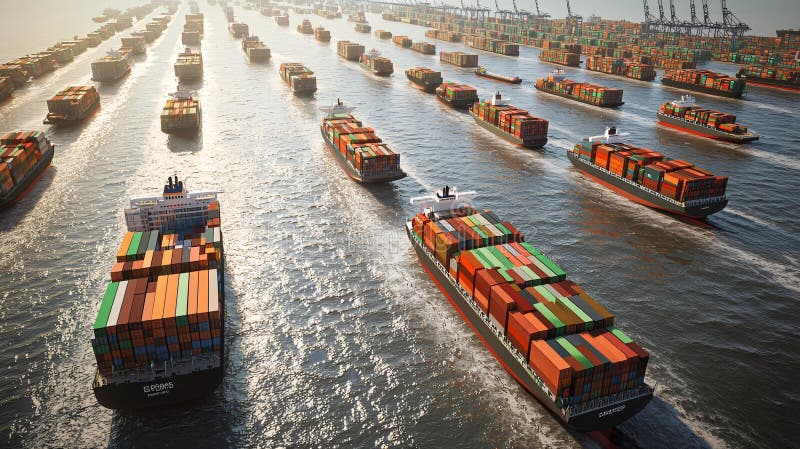
Maritime technology providers and integrators, like Tototheo, are also central to this shift. As the complexity of satellite hardware and software increases, these firms play a critical role in ensuring that the technology is correctly installed and maintained on diverse vessel architectures. This creates a growing market for specialized maritime IT and communications services.
Finally, the seafarers themselves are directly impacted. Improved connectivity addresses a long-standing challenge in the industry: social isolation. By providing reliable internet, companies can improve the quality of life for crews, which is a key factor in addressing the global maritime labor shortage. Access to high-speed data allows crew members to maintain consistent contact with their families, potentially improving morale and operational safety.
As satellite constellations like O3b mPOWER continue to deploy, the industry expects to see even greater reductions in latency and increases in available bandwidth. The integration of these space-based assets into standard maritime operations marks a significant step in the transition toward a fully connected global ocean economy.
The next scheduled update regarding the deployment of new satellite capacity or specific service rollouts from SES is expected in their upcoming quarterly earnings report. For further details on maritime connectivity standards, industry stakeholders can monitor updates from the International Maritime Organization (IMO).
What do you think about the impact of high-speed satellite internet on maritime safety and crew welfare? Share your thoughts in the comments below and share this article with your network.