
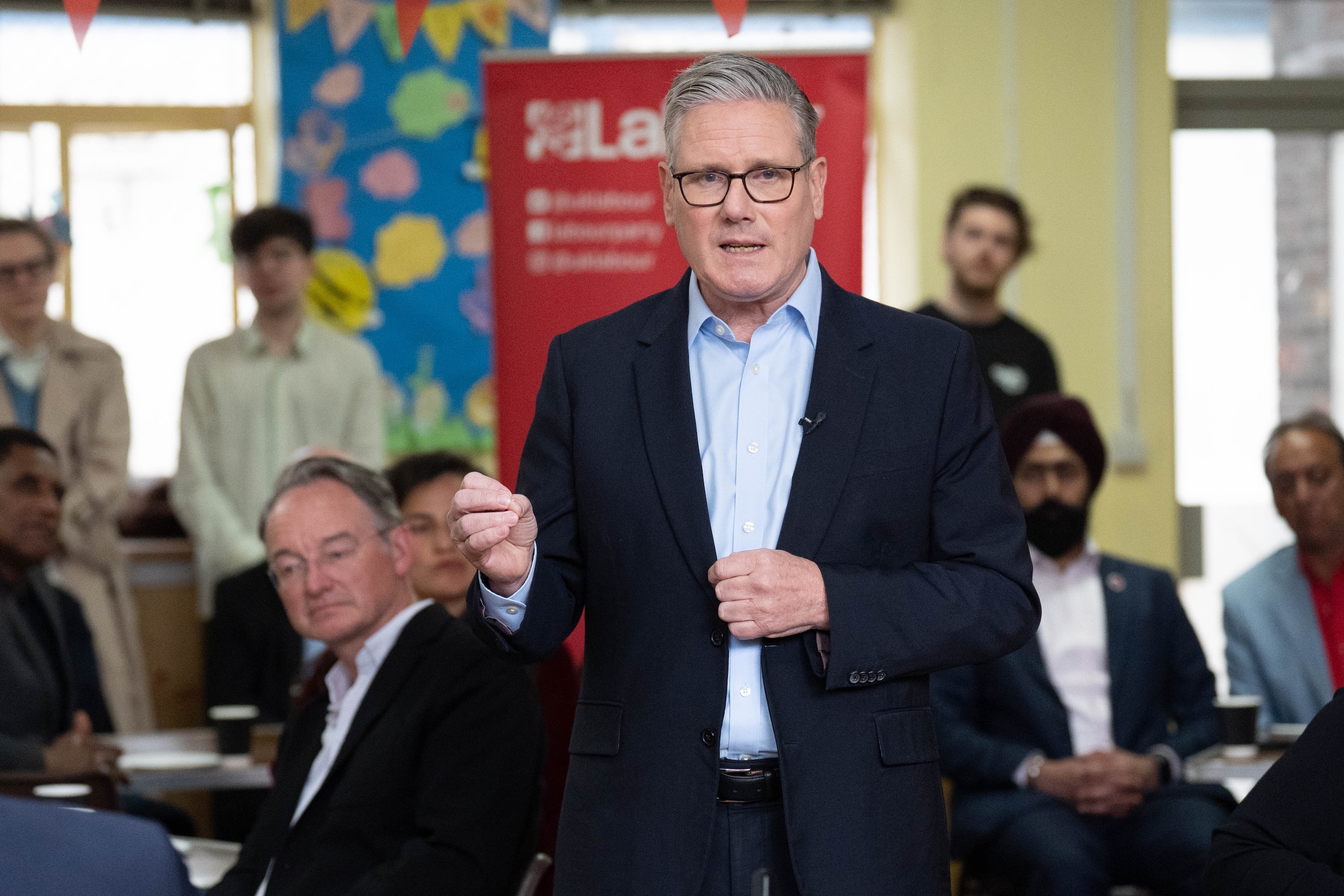
Andy Burnham has emerged as a central figure in discussions regarding the future leadership of the United Kingdom, as speculation grows over the political standing of current Prime Minister Keir Starmer. Amid persistent economic challenges and shifting public sentiment, political analysts and internal party factions are increasingly looking toward regional leaders who have successfully navigated complex local governance as potential alternatives for the national stage.
The current discourse reflects a broader trend of dissatisfaction with central government performance. The UK has faced prolonged periods of sluggish economic growth and inflationary pressure, factors that have historically eroded the popularity of incumbent administrations. While Starmer remains the official head of the government, the visibility of figures like Burnham suggests a growing appetite for a different model of leadership.
The Case for Regional Leadership
Andy Burnham’s political profile is frequently contrasted with the traditional Westminster-centric approach. He has focused on integrating transport networks, housing policies, and social services under a unified regional authority. Proponents argue that this experience in “getting things done” at the local level provides a blueprint for addressing the structural issues currently plaguing the broader UK economy.

The debate surrounding a potential leadership transition is not merely about individual personality but reflects a fundamental disagreement over the distribution of power. Burnham has long been a vocal proponent of shifting resources and decision-making authority away from London to England’s regions. His supporters suggest that his ability to secure funding and legislative concessions from central government demonstrates the pragmatic approach needed to restore public trust in national institutions.
Economic Discontent and Political Strategy
The urgency behind these leadership discussions is tied directly to the UK’s economic trajectory. With the cost-of-living crisis impacting households across the country, political pressure on the Prime Minister’s office has intensified. Analysts point to the disconnect between London-based policy decisions and the reality of voters in the industrial heartlands of the North, where economic recovery has lagged behind the capital.
Burnham’s strategy has centered on the idea that the UK’s economic model is overly centralized, leading to inefficient resource allocation. By advocating for a “Manchester-style” approach to governance, he signals an intent to prioritize regional productivity and local infrastructure. This narrative appeals to voters who feel ignored by the Westminster establishment, though it also invites scrutiny regarding how such a model would scale to the national level.
What Happens Next?
There is currently no formal leadership challenge against Keir Starmer, and the Labour Party maintains that its focus remains on implementing its current legislative agenda. However, the recurring mention of alternative candidates in political commentary serves as a barometer for internal party anxiety. The next major test for the government will arrive with the upcoming budget statements and subsequent local election cycles, which will provide a clearer picture of whether the current administration can regain its footing with the electorate.

Future updates regarding the government’s economic strategy and any shifts in party leadership will be available through official UK Parliament records and ministerial announcements. As the political landscape remains fluid, observers expect the debate over the balance between central and local authority to remain a defining feature of the next general election cycle.
We welcome your perspectives on the direction of UK politics. Please join the conversation by sharing your thoughts in the comments section below.