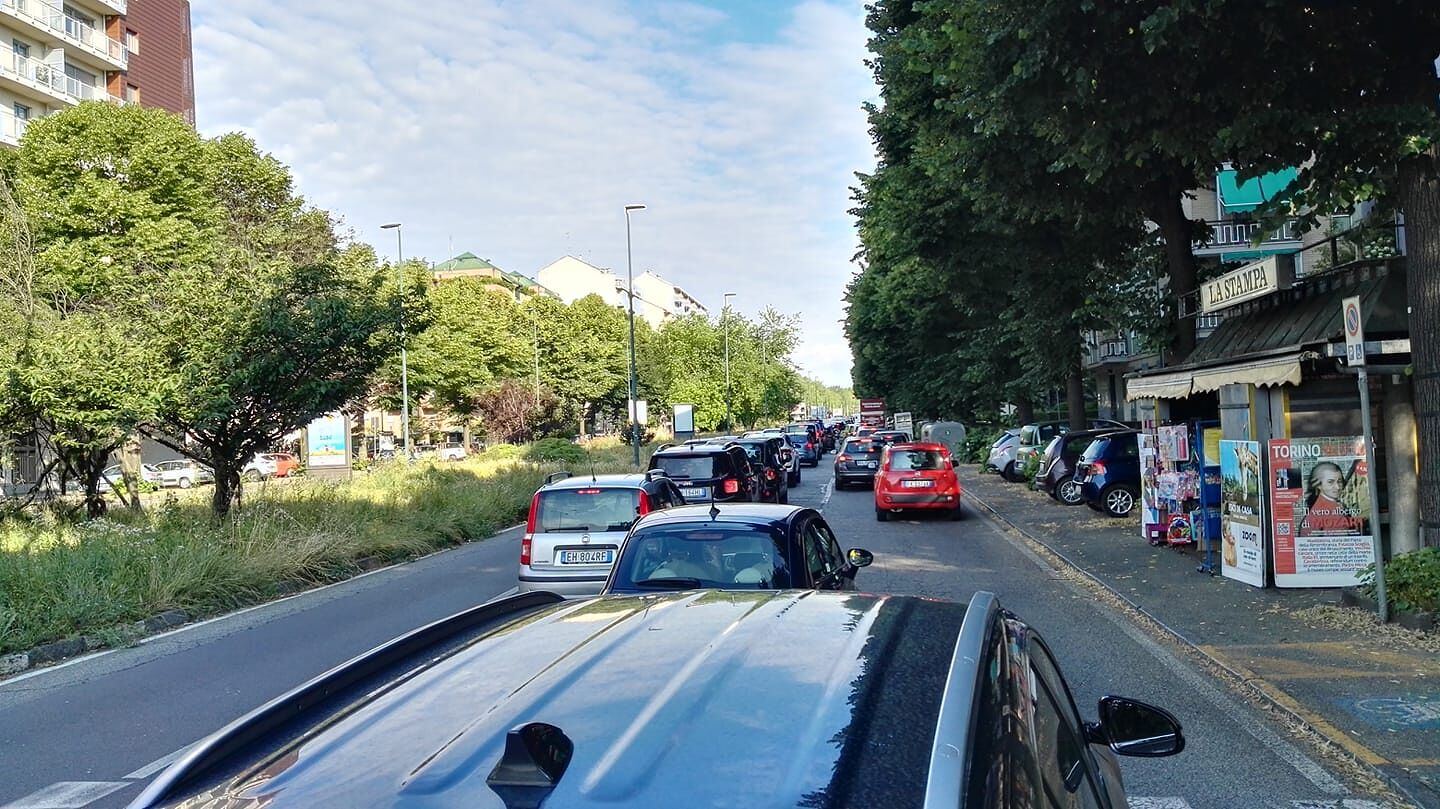
Environmental advocacy group Legambiente has formally criticized the Piedmont regional government’s updated air quality measures, characterizing them as insufficient to address the persistent pollution crisis in the Po Valley. According to the organization’s latest regional report, the current strategies fail to implement the structural changes necessary to meet European Union air quality standards, leaving residents in Turin and surrounding areas exposed to high concentrations of nitrogen dioxide and particulate matter.
The critique centers on the regional administration’s reliance on temporary traffic restrictions and emergency measures rather than long-term investments in public infrastructure. Legambiente, in its assessment of regional environmental policies, noted that while the Piedmont region has introduced new protocols for tackling smog, these actions do not adequately address the primary sources of pollution: outdated heating systems, industrial emissions, and heavy reliance on private vehicle transport. The organization argues that without a systemic shift in urban mobility and energy efficiency, the region will continue to face infringement procedures from the European Commission.
The Conflict Over Air Quality Standards
The Piedmont region, geographically situated in the basin of the Po Valley, faces unique atmospheric challenges that trap pollutants near the surface, particularly during the winter months. Official data from the Regional Environmental Protection Agency (ARPA Piemonte) frequently records exceedances of daily limits for particulate matter (PM10 and PM2.5). While the regional government maintains that its current “Smog Agreement” (Accordo di Programma) aligns with national requirements, Legambiente contends that these measures lack the necessary enforcement mechanisms to achieve meaningful reductions.
According to reports from the European Environment Agency, air pollution remains the single largest environmental health risk in Europe. In Piedmont, the debate over how to manage these levels has become a point of contention between local policymakers and environmental advocates. Legambiente’s critique specifically highlights the lack of integration between transport policy and health protection, suggesting that the current administrative focus remains too heavily weighted toward short-term political convenience rather than public health outcomes.
Key Points of Contention
The disagreement between the regional government and environmental advocates rests on three primary pillars of policy:
- Urban Mobility: Legambiente calls for a significant expansion of zero-emission public transport networks, arguing that current regional investments in rail and bus infrastructure are insufficient to reduce the volume of private vehicles in the Turin metropolitan area.
- Heating and Energy: The group asserts that the transition toward heat pumps and high-efficiency boilers remains too slow, noting that residential biomass burning continues to be a major contributor to winter air quality degradation.
- Monitoring and Enforcement: There is a documented gap between the adoption of regional air quality plans and the actual verification of their impact on local air sensor data, which Legambiente claims undermines the credibility of the region’s environmental goals.
The regional administration, through various public statements, has emphasized the economic constraints of implementing more aggressive measures, citing the need to protect the industrial sector while transitioning to greener alternatives. However, this approach has drawn fire from groups who point to the legal requirements set by the European Union’s Ambient Air Quality Directives, which mandate strict compliance with pollutant concentration thresholds.
What Happens Next
The dialogue between environmental stakeholders and the Piedmont administration is expected to continue during the next scheduled session of the Regional Council, where updates to the regional air quality plan are slated for discussion. Residents and interested parties can track official air quality statistics and view current emergency alert levels through the ARPA Piemonte air quality portal, which provides real-time monitoring of atmospheric conditions across the region.
As the winter season approaches, the pressure on regional authorities to tighten traffic restrictions and incentivize cleaner heating solutions is likely to increase. Whether the administration will adjust its current policy stance in response to the criticism from Legambiente remains to be seen. Readers are encouraged to monitor local updates regarding the potential introduction of new traffic limitations in the coming months. Please share your thoughts or local observations on these developments in the comments section below.
Related reading