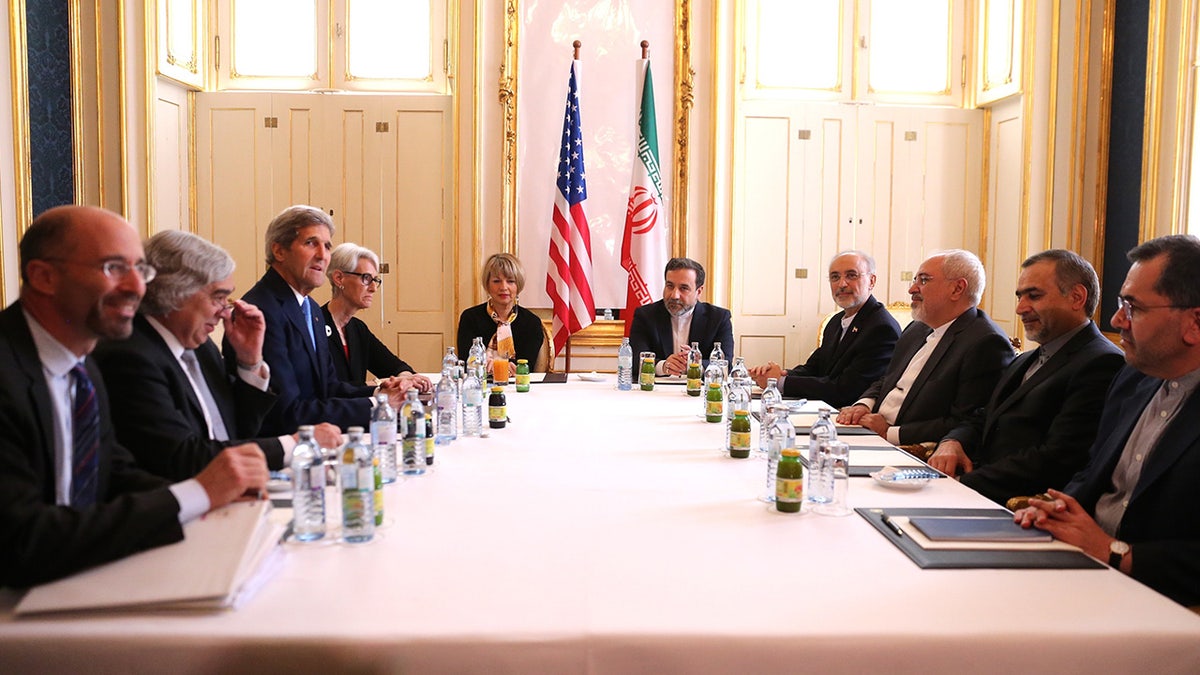
A ceasefire agreement between Israel and the Lebanese militant group Hezbollah, which took effect on November 27, 2024, has triggered a polarized response across Lebanon, leading to both public celebrations and organized protests in Beirut. The deal, brokered by the United States and France, aims to end over a year of cross-border hostilities that have displaced tens of thousands of residents on both sides of the border, according to official statements from the White House.
While many Lebanese citizens welcomed the cessation of hostilities as a necessary reprieve from intensive aerial bombardment and infrastructure collapse, others took to the streets to condemn the terms of the agreement. Critics of the deal have characterized the withdrawal of Hezbollah forces north of the Litani River and the subsequent deployment of the Lebanese Armed Forces as a capitulation to external pressure. Supporters, conversely, view the ceasefire terms as a significant mechanism to curtail the regional influence of Iran, which has long provided financial and military backing to Hezbollah.
The Terms of the Ceasefire Agreement
The agreement requires a phased withdrawal of Hezbollah fighters from areas south of the Litani River, a zone that serves as a critical buffer along the Israeli border. Under the joint statement released by the United States and France, the Lebanese Army and the United Nations Interim Force in Lebanon (UNIFIL) are tasked with monitoring the region to ensure that no unauthorized armed groups maintain a presence in the south. This transition is intended to facilitate the return of displaced civilians to their homes in southern Lebanon and northern Israel.
The deal also grants Israel the right to act against future threats from Hezbollah, provided that the Lebanese government and the international monitoring committee fail to address those threats. This specific provision regarding Israel’s freedom of action has become a primary point of contention for local demonstrators, who argue that the clause infringes upon Lebanese sovereignty. Protesters in parts of Beirut have expressed concerns that the oversight mechanism effectively delegates national security authority to foreign powers.
Public Sentiment and Political Fragmentation
The division in public opinion reflects the deep-seated political fragmentation that has defined Lebanon for decades. In neighborhoods where the impact of the conflict was most acute, residents have largely focused on the cessation of airstrikes and the immediate need for humanitarian aid. According to the United Nations, the conflict resulted in significant damage to residential infrastructure and essential services, making the restoration of stability a top priority for the local population.
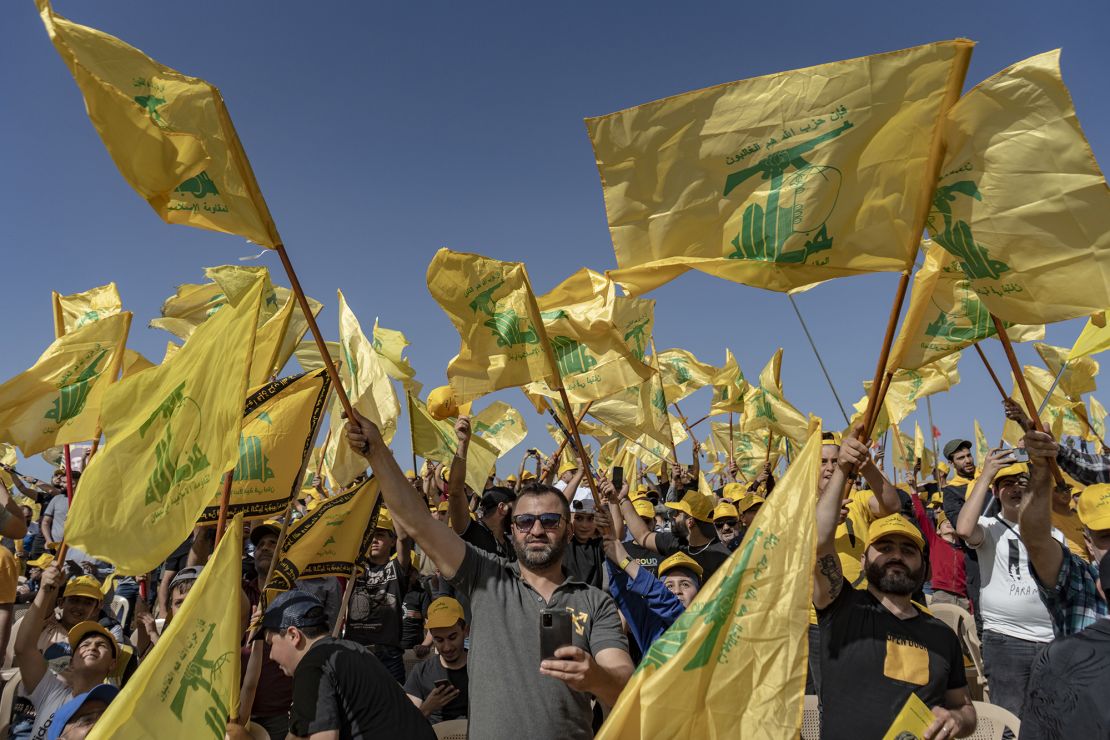
However, supporters of the “resistance” narrative, particularly those aligned with Hezbollah’s political base, view the outcome through the lens of political sacrifice. For these groups, the agreement is less a peace treaty and more a strategic retreat forced by Israeli military pressure. The presence of protesters in the streets highlights a growing skepticism toward the Lebanese government’s ability to navigate the terms of the deal without further compromising national interests.
Security Oversight and Future Challenges
The implementation phase of the ceasefire faces significant logistical and political hurdles. The Lebanese Armed Forces, which are expected to lead the deployment in the south, face severe equipment shortages and budgetary constraints exacerbated by the country’s ongoing economic crisis, as reported by the World Bank. The effectiveness of the monitoring committee, which includes representatives from the U.S. and other international partners, will be tested by the complex reality of disarming non-state actors in the south.

The international community remains focused on the long-term stability of the region. Diplomatic efforts are now shifting toward the reconstruction of southern Lebanon and the enforcement of UN Security Council Resolution 1701. The success of these efforts depends on the ability of the Lebanese state to assert authority over its territory, a task that has remained elusive since the resolution was first adopted in 2006.
The next major checkpoint for the agreement will be the 60-day evaluation period, during which the monitoring committee is expected to report on the progress of troop movements and the stabilization of the border region. Further updates regarding the deployment of the Lebanese Army and the status of humanitarian aid corridors are expected from the UNIFIL command in the coming weeks.
As this situation continues to develop, we invite our readers to share their perspectives on the impact of this agreement in the comments section below. For ongoing coverage of regional stability and international diplomacy, ensure you are subscribed to our newsletter for the latest verified updates.