
Purchasing prescription medications from unauthorized online pharmacies presents a severe public health risk, as these outlets frequently distribute counterfeit, contaminated, or improperly formulated drugs that may bypass established safety regulations. International health authorities, including the World Health Organization (WHO), consistently warn that medicines sold through illicit websites often lack the active ingredients required for treatment or, conversely, contain toxic substances that can lead to life-threatening adverse reactions.
As a physician, I have witnessed how the digital marketplace has simplified access to pharmaceuticals, yet this convenience often masks a dangerous reality. Patients seeking to circumvent traditional healthcare systems by ordering medication online are often unaware that they are interacting with unregulated entities that operate outside the oversight of national drug agencies. The global nature of the internet complicates enforcement, leaving consumers vulnerable to products that have not undergone the rigorous clinical testing mandated by bodies such as the U.S. Food and Drug Administration (FDA) or the European Medicines Agency (EMA).
The Hidden Dangers of Counterfeit Medications
The primary risk associated with illicit online pharmacies is the high probability of receiving counterfeit products. According to the World Health Organization, substandard and falsified medical products are a significant global health threat, often appearing identical to legitimate versions of common treatments. These products may contain incorrect dosages, no active ingredients at all, or potentially hazardous fillers, including heavy metals, floor wax, or even fentanyl.
When a patient consumes a counterfeit drug, the consequences are immediate and sometimes fatal. If a medication intended to treat a serious infection or manage a chronic condition—such as high blood pressure or diabetes—is ineffective, the underlying disease can progress unchecked. In cases where the fake drug contains toxic contaminants, patients may suffer from acute poisoning, organ failure, or systemic allergic reactions. Because these websites operate anonymously, there is no accountability, and victims are often left without recourse or medical documentation regarding the chemical composition of the substance they ingested.
How to Identify Unregulated Online Pharmacies
Regulatory agencies advise that legitimate online pharmacies must be licensed in the jurisdiction where they operate and typically require a valid prescription from a licensed healthcare provider. The U.S. Food and Drug Administration maintains that consumers should be wary of any website that offers prescription drugs without a prescription, provides prices significantly lower than market value, or lacks a physical address and a verifiable pharmacist available for consultation.
To ensure safety, patients should verify that an online pharmacy is accredited by recognized national bodies. In the United States, the National Association of Boards of Pharmacy (NABP) provides a list of verified pharmacy websites that meet strict safety standards. In Europe, pharmacies are required to display a common logo that links to the national regulatory authority’s list of authorized retailers, ensuring that the supply chain is secure and monitored.
The Role of Global Enforcement
Combating the distribution of illicit pharmaceuticals requires sustained international cooperation. Agencies such as INTERPOL frequently coordinate operations like “Pangea,” which target the online sale of illicit medicines and medical devices. During these operations, authorities have repeatedly identified and shut down thousands of websites while seizing millions of units of illegal medical products. Despite these efforts, the ease with which new domains can be registered means that the threat remains persistent.
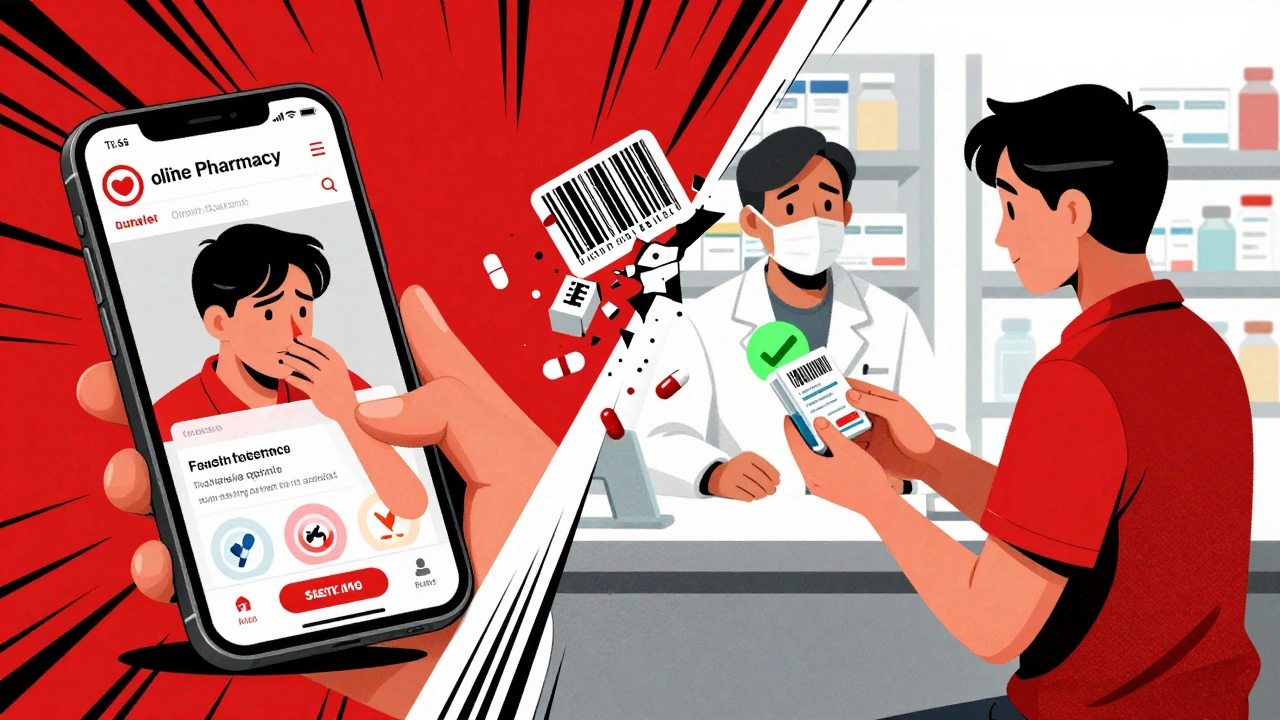
The impact of these operations extends beyond mere seizures; they serve to disrupt the supply chains of criminal organizations that profit from public health crises. However, as noted by public health experts, the most effective defense remains the education of the public. Patients are urged to consult their primary care physician before purchasing any medication online and to rely solely on pharmacies that are transparent about their licensing and physical location. If you suspect you have purchased a counterfeit medication, you should immediately contact your local health authority or report the incident through the appropriate national reporting portal, such as the FDA MedWatch program in the United States.
Public health agencies continue to monitor the evolving strategies of illicit online vendors. For the most current safety alerts and guidance on purchasing pharmaceuticals, patients should check the official websites of their national health ministries or regulatory boards. Staying informed is the first step in protecting yourself and your community from the dangers of the counterfeit drug trade. Please share your experiences or questions in the comments below to help foster a safer environment for health consumers worldwide.
Worth a look