
As the United States prepares for the semiquincentennial anniversary of the signing of the Declaration of Independence, states across the nation are finalizing their contributions to the official America 250 time capsule. Managed by the U.S. Semiquincentennial Commission, the project serves as a historical repository of American life in 2026, with each state and territory tasked with selecting items that represent their unique cultural, technological, and historical identity for future generations to uncover.
While the project is a collaborative federal effort, the process of item selection has varied significantly by state, leading to a diverse array of submissions ranging from digital archives to physical artifacts. According to official guidelines provided by the America 250 Foundation, the initiative seeks to capture a snapshot of the American experience, reflecting both the challenges and the progress made since 1776. Participation is voluntary, and each state legislature or designated cultural agency holds the authority to determine its own submission criteria and public engagement strategy.
How States Are Selecting Contributions
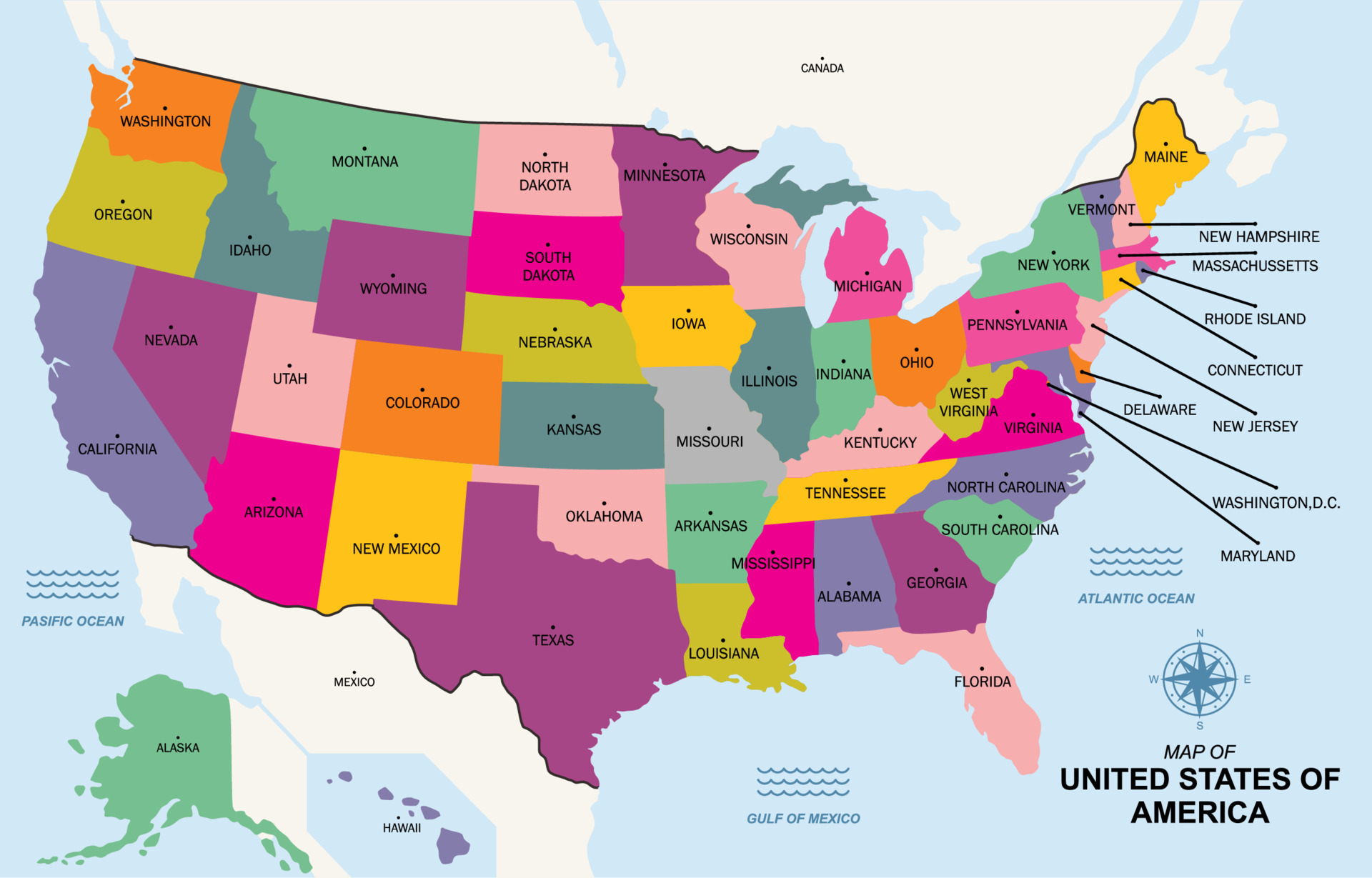
The selection process for the America 250 time capsule is primarily managed at the state level, often involving partnerships between state historical societies, departments of cultural affairs, and public voting campaigns. In states like Virginia and Pennsylvania, where the historical significance of the American Revolution is deeply embedded in the state identity, officials have prioritized items that link colonial history to modern innovation. Conversely, states in the American West have focused on themes of environmental stewardship, aerospace achievements, and technological growth.
The National Archives and Records Administration has provided best-practice guidance for the preservation of these items, emphasizing the importance of archival-quality materials that can withstand the test of time. Because the capsules are intended to be opened in 2076, organizers are discouraging the inclusion of perishable goods, batteries, or volatile organic compounds. Instead, states are focusing on high-resolution digital media, documents printed on acid-free paper, and non-corrosive physical mementos.
Notable Contributions and Thematic Trends
Analysis of state-reported data suggests three primary themes emerging across the country: digital connectivity, scientific advancement, and cultural diversity. Many states are opting to include “digital time capsules”—encrypted, high-capacity storage drives containing thousands of photographs, oral histories, and local government records that document the state’s current socioeconomic landscape. This approach allows for a much higher density of information than traditional physical boxes.

In addition to digital records, several states have announced specific physical artifacts for inclusion:
- Technological Artifacts: Several states with major aerospace industries are contributing small-scale models or components representing current satellite and propulsion research.
- Cultural Ephemera: Local arts councils are curating collections of contemporary music, literature, and visual art to represent the cultural zeitgeist of the 2020s.
- Educational Records: Many state boards of education are contributing curriculum guides and student projects to illustrate how history and civics are taught to the next generation of American citizens.
The Library of Congress continues to monitor these state-led efforts, noting that the diversity of items will provide future historians with a comprehensive view of regional variations in the United States. Unlike previous anniversary celebrations, the 250th anniversary is heavily leveraging digital infrastructure, ensuring that the information remains accessible even if physical components deteriorate over the next 50 years.
What Happens Next for the Time Capsule
The final deadline for states to submit their official inventory lists to the U.S. Semiquincentennial Commission is set for late 2025. Following this, the commission will oversee the consolidation and formal sealing of the materials in preparation for the July 4, 2026, celebrations. While there is no official “ranking” of these items, the commission plans to publish a comprehensive digital catalog of all state contributions, which will be available to the public on the official America 250 portal.
For residents interested in learning more about their own state’s specific contribution, the most direct path is to visit the website of their respective state department of cultural resources or the official America 250 commission page. Many states are hosting public town halls and digital forums throughout the remainder of 2024 and 2025 to gather input from local communities on what should be included. As the project moves toward its final phase, officials encourage citizens to participate in these local discussions to ensure that the time capsule accurately reflects the voices and values of the present day.
Have you participated in your state’s planning for the 250th anniversary? Join the conversation in the comments section below and share your thoughts on what item best represents your local community.
Worth a look