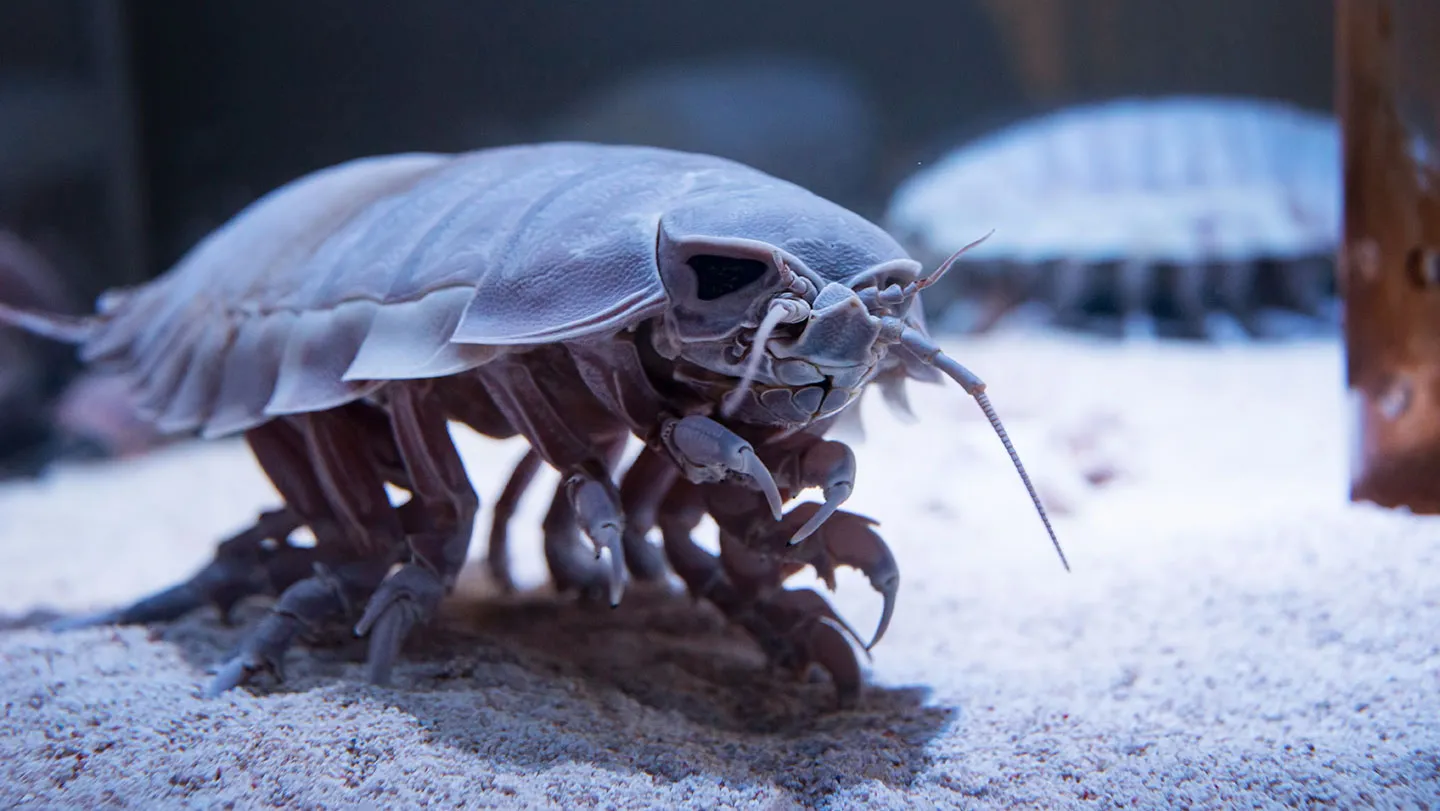
Giant isopods, the deep-sea relatives of the common garden pill bug, possess a remarkable biological capacity to survive for up to five years without food in the extreme conditions of the ocean floor. Recent genomic research suggests this extreme fasting ability may be linked to a process of horizontal gene transfer, where the crustaceans acquired specific genetic material from bacteria to better regulate their metabolism during prolonged periods of starvation.
As a physician and health journalist, I often look at how extreme biological adaptations in nature can offer insights into metabolic efficiency. The giant isopod—scientifically known as Bathynomus giganteus—lives in the cold, high-pressure environments of the deep Atlantic, Pacific, and Indian Oceans at depths ranging from 170 to 2,140 meters, according to data from the World Register of Marine Species. Their ability to go half a decade without a meal is not merely a curiosity; it represents a specialized evolutionary path that allows them to thrive in nutrient-poor abyssal zones.
Genomic Adaptations and Horizontal Gene Transfer
The secret to this prolonged survival appears to be written in the isopod’s DNA. Genomic sequencing of Bathynomus species has revealed the presence of genes that were likely acquired through horizontal gene transfer (HGT), a mechanism where an organism incorporates genetic material from another species—in this case, bacteria—rather than through traditional inheritance. This discovery was detailed in research published in the journal BMC Biology, which identified how these foreign genes have been integrated into the isopod’s own genome to support metabolic regulation.
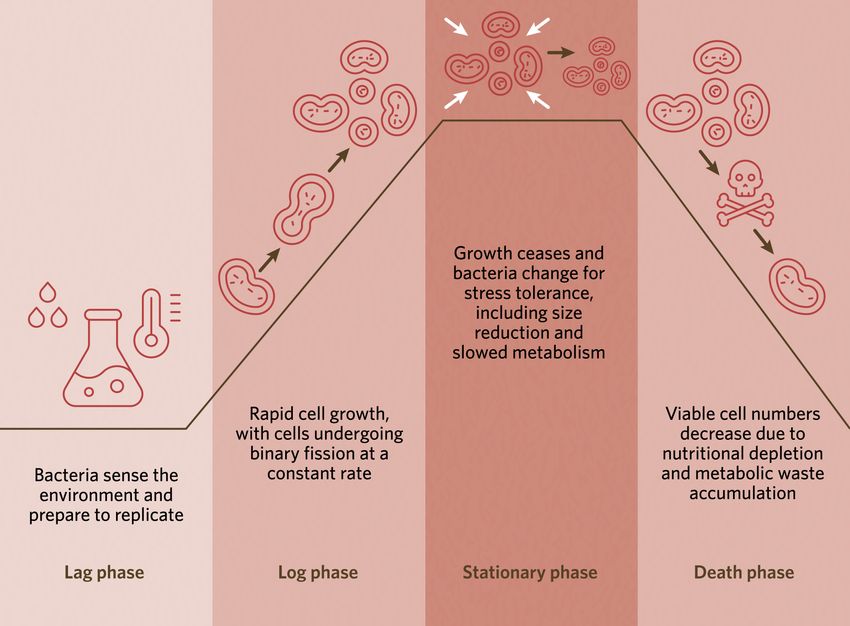
Horizontal gene transfer is a well-documented phenomenon in prokaryotes, but its role in complex eukaryotes like crustaceans is of significant interest to evolutionary biologists. By acquiring bacterial genes, the giant isopod may have gained the ability to produce enzymes or proteins that assist in breaking down complex organic matter or managing energy storage more efficiently than their shallower-water relatives. This process allows them to slow their metabolic rate to an extreme degree when food is scarce, essentially entering a state of physiological conservation.
Survival in the Abyssal Zone
The deep-sea environment provides a limited and unpredictable food supply. Giant isopods are primarily scavengers, feeding on “marine snow”—the organic detritus that falls from the upper layers of the ocean—as well as the carcasses of whales or fish that sink to the seafloor. Because these food sources are sporadic, the ability to endure starvation is a critical survival trait.

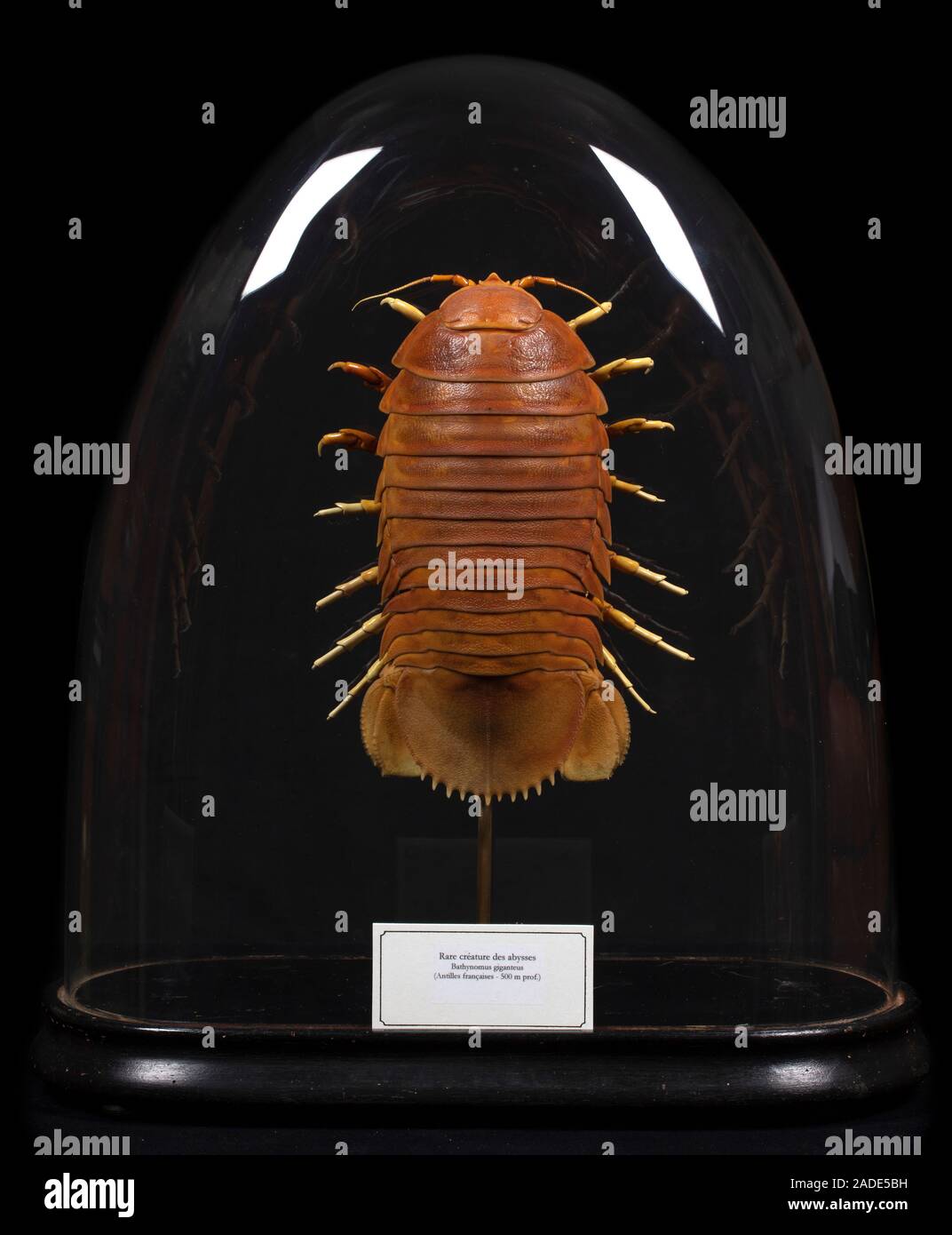
According to the Smithsonian National Museum of Natural History, these creatures have evolved to grow to impressive sizes, with some reaching lengths of up to 50 centimeters. This gigantism, often observed in deep-sea invertebrates, is theorized to be an adaptation to cold temperatures and high pressure, allowing for larger energy reserves. When a food source is finally located, the isopod is capable of consuming a massive amount of food at once, further extending its ability to go long periods without sustenance.
Metabolic Insights and Broader Implications
Understanding how Bathynomus manages its energy expenditure has implications for our understanding of metabolic resilience. While the direct application to human health remains theoretical, the study of how organisms “reprogram” their metabolism through genetic adaptation provides a roadmap for researchers studying metabolic disorders and energy regulation. In my own practice at Charité – Universitätsmedizin Berlin, we frequently observe how metabolic flexibility—or the lack thereof—influences chronic health outcomes. The isopod’s ability to survive on minimal intake highlights the power of genetic adaptation to environmental stressors.
The research into Bathynomus continues to serve as a model for how extreme environmental pressure drives genomic innovation. Scientists are currently focusing on the specific pathways through which these bacterial genes influence lipid metabolism, as these pathways are often conserved across various animal species. By mapping the full genome of these deep-sea crustaceans, researchers hope to clarify how many other “pilfered” genes might contribute to the animal’s overall physiological robustness.
Future Research and Observations
The scientific community continues to monitor deep-sea ecosystems to better understand how changing ocean temperatures and food scarcity might impact these populations. As of the most recent surveys conducted by the National Oceanic and Atmospheric Administration (NOAA), the exploration of abyssal plains remains a priority for identifying how specialized marine life maintains its biological functions in isolation.
There are no scheduled legislative or regulatory actions concerning the protection of these specific deep-sea species at this time, though environmental monitoring programs continue to track the health of benthic habitats. For readers interested in the ongoing updates regarding deep-sea biodiversity, the NOAA Ocean Exploration portal provides regular reports on deep-sea expeditions and findings. If you have questions about the evolutionary biology of crustaceans or the mechanisms of horizontal gene transfer, please feel free to leave a comment or share this article to help foster further discussion on these fascinating deep-sea inhabitants.
Keep reading