

Residents of San José de la Dormida, a municipality in the Tulumba Department of Córdoba, Argentina, participated in a municipal “ecocanje” (eco-exchange) initiative held at the Plaza Autóctona Intendente Juan Mondino. The program, which encourages environmental stewardship, allows citizens to trade recyclable materials for sustainable goods or seeds, supporting local waste management efforts.
Promoting Sustainability Through Community Action
The municipal government of San José de la Dormida has been implementing various environmental policies aimed at reducing landfill dependency and promoting the circular economy. According to the official municipal portal, these initiatives are part of a broader strategy to manage urban solid waste through community involvement. By incentivizing the separation of plastics, cardboard, and glass at the source, the local administration seeks to improve the efficiency of its recycling chain.

The “ecocanje” events function by providing a public space where residents can deposit sorted, clean recyclables. In exchange, the municipality often provides participants with compost, vegetable seeds for home gardens, or other environmentally friendly items. This model is frequently used in Argentine provinces to bridge the gap between municipal waste services and residential habits, as noted by the Ministry of Environment and Sustainable Development regarding localized waste management strategies.
The Role of Public Spaces in Environmental Education
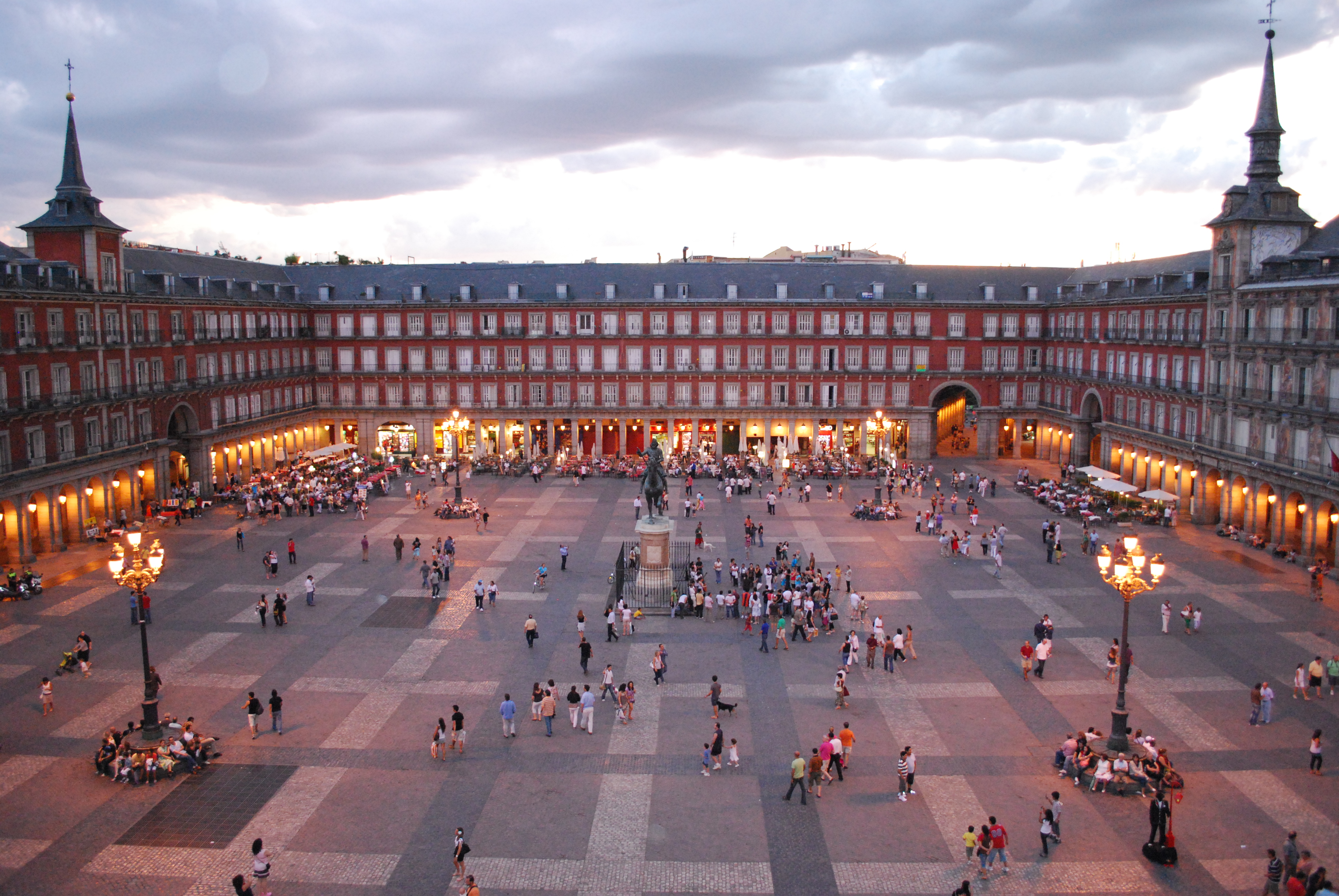
Plaza Autóctona Intendente Juan Mondino serves as the central hub for these outreach activities. Public squares in small-to-mid-sized Argentine towns often act as the primary interface between local government and the public. By hosting the exchange in a central, well-known location, officials aim to increase participation rates and normalize the practice of recycling among diverse age groups.
Effective waste management remains a significant challenge for interior municipalities in Córdoba. As outlined in the Córdoba Provincial Ministry of Environment and Circular Economy guidelines, local governments are encouraged to adopt “Circular Economy” models that prioritize the reduction, reuse, and recycling of materials. These programs are essential for reducing the environmental impact of open-air dumps, which have been a historical issue in various parts of the province.
Community Impact and Future Initiatives
The success of the ecocanje programs relies heavily on the active participation of the local population. By turning waste collection into a community event, the municipality of San José de la Dormida fosters a culture of environmental accountability. These efforts are part of a larger, ongoing effort by the provincial government to ensure that municipalities comply with sustainable waste management standards.
For residents looking to participate in future environmental events or those seeking information on waste collection schedules, the local government maintains an updated calendar of activities through its official communication channels. The municipality encourages citizens to remain informed about upcoming dates for these exchanges, which are typically announced via official social media platforms and municipal notices. Engaging with these programs remains the most effective way for residents to contribute to local sustainability goals.
The municipal office is expected to announce the date and location of the next environmental awareness event in the coming weeks. Residents interested in participating are encouraged to monitor the official municipal website and local information boards for updates. We invite our readers to share their thoughts on local sustainability initiatives in the comments section below.