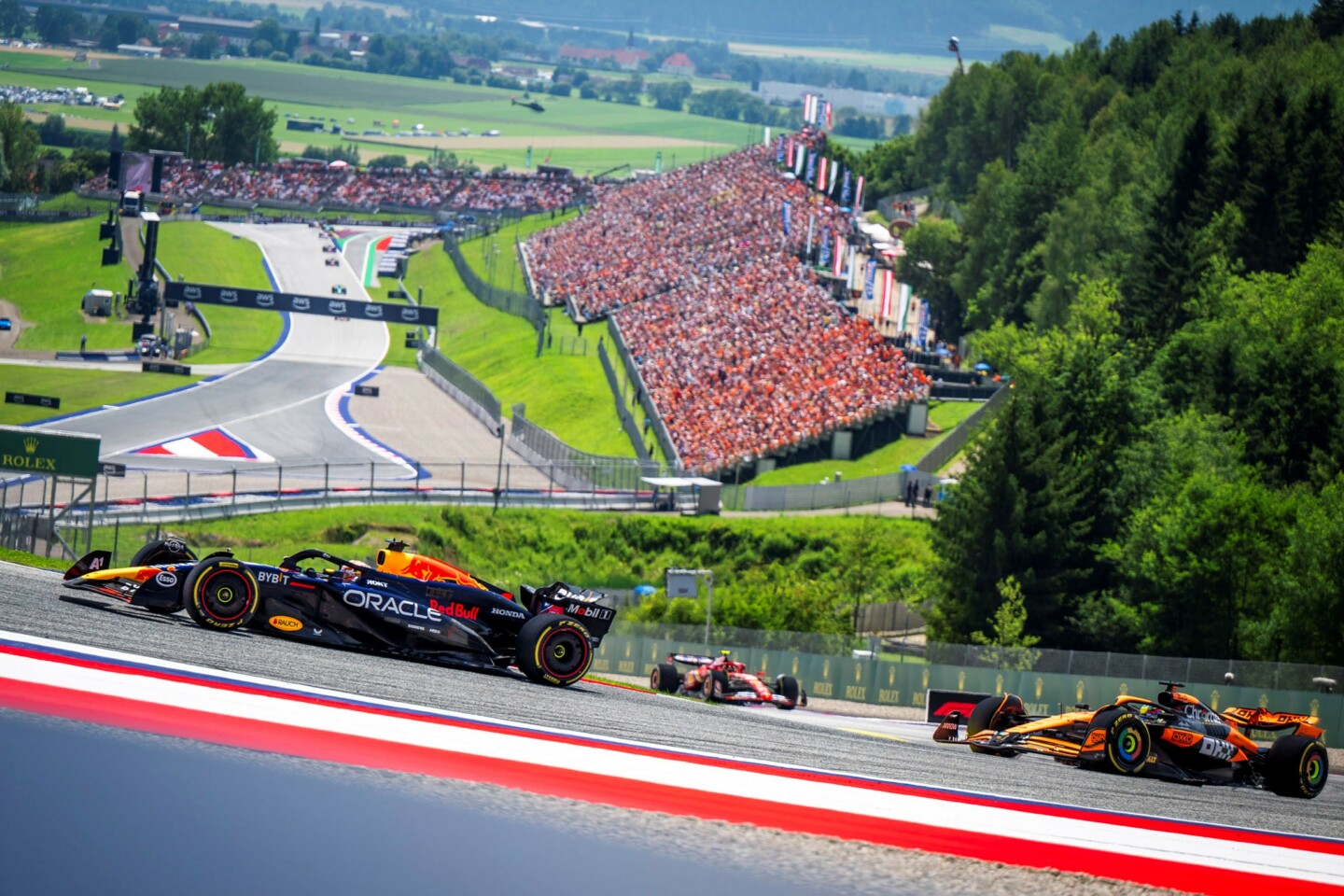
Formula 1 drivers preparing for the Austrian Grand Prix at the Red Bull Ring face significant thermal challenges as rising temperatures in the Styria region coincide with the high-intensity nature of the circuit. Race organizers and team personnel are implementing strict cooling protocols to manage cockpit temperatures that can frequently exceed 50 degrees Celsius, ensuring driver safety remains the primary focus during the race weekend.
The Spielberg region, home to the iconic Red Bull Ring, is currently under close observation as meteorologists track a heatwave affecting Central Europe. According to official meteorological data provided by GeoSphere Austria, the national weather service, ambient temperatures in the surrounding mountainous terrain are expected to remain elevated throughout the weekend, potentially impacting tire degradation and mechanical cooling systems on the cars.
Managing Physical Strain in Extreme Heat
The physical demand on Formula 1 drivers is compounded by the “heat soak” effect, where the internal temperature of the cockpit rises due to proximity to the power unit and the lack of airflow compared to road cars. To mitigate the risk of heat exhaustion, teams are utilizing specialized equipment, including advanced cooling vests for drivers during pre-race preparations and in the pit lane. These vests, which circulate cold liquid or use phase-change materials, are designed to lower the core body temperature before the driver enters the vehicle.
FIA medical delegates closely monitor the conditions, as excessive heat can lead to a reduction in cognitive function and reaction times—factors that are critical when navigating the high-speed sections of the Spielberg track. According to guidelines established by the Federation Internationale de l’Automobile (FIA), teams are permitted to adjust certain cooling ducts and bodywork configurations within technical regulations to ensure that critical components, such as the battery and internal combustion engine, do not fail under the thermal load.
Fan Experience and Circuit Logistics
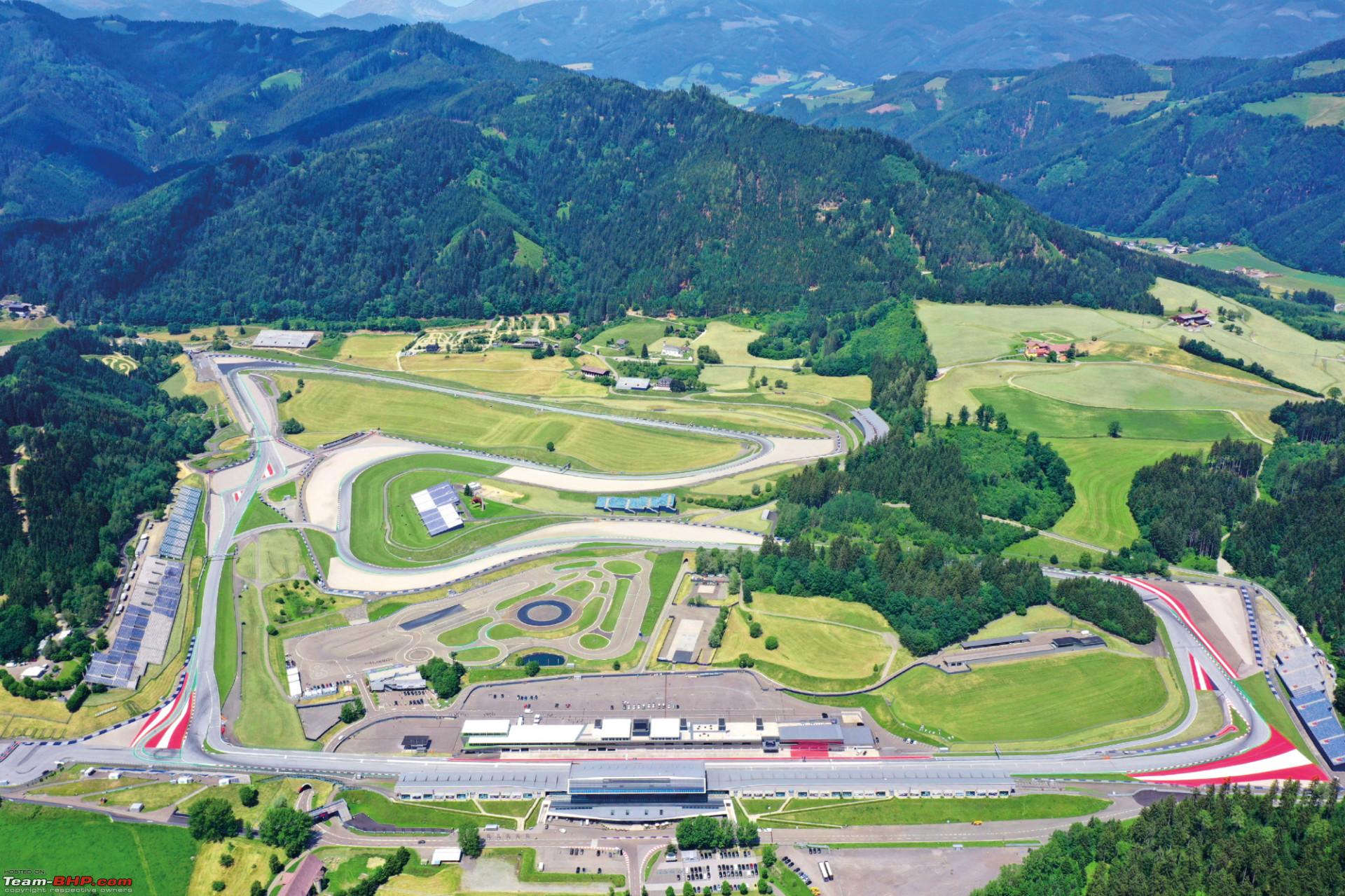
While the drivers contend with the heat, the organizers at the Red Bull Ring have expanded the fan experience to include a variety of interactive zones. The popular Pit Lane Walk remains a centerpiece of the event, allowing ticket holders to observe the teams’ final preparations up close. According to the official circuit portal, additional hydration stations and shaded cooling zones have been established across the fan village to accommodate the thousands of spectators expected to attend the event in person.
For those watching from home, the broadcasting landscape for the Austrian Grand Prix remains a point of interest. In various European markets, the race is available through a mix of pay-TV services and, in specific territories, via free-to-air broadcast partners. Viewers are encouraged to check their local listings, as broadcasting rights are managed on a per-territory basis by Formula One Management (FOM).
Technical and Strategic Implications
The heat affects more than just the human element; it fundamentally alters the strategic approach to the race. Higher track temperatures result in faster degradation of the Pirelli tires, forcing teams to reconsider their pit stop windows. Data from previous years shows that the Red Bull Ring’s elevation and layout, which features several heavy braking zones, put significant stress on the brakes. Cooling those brakes while maintaining aerodynamic efficiency is a delicate balancing act for engineers.

According to reports from team principals, the focus for the Friday practice sessions will be gathering data on how the current car specifications handle the heat. This data is then fed into simulators to predict the wear rates for the soft, medium, and hard tire compounds. As the weekend progresses, the track surface temperature will be the primary variable that determines whether a one-stop or two-stop strategy becomes the preferred option for race day.
The next major checkpoint for the teams will be the post-FP2 technical briefing, where engineers finalize the car setups based on the day’s thermal data. Fans are encouraged to follow the official live timing via the Formula 1 app for real-time updates on track conditions and weather developments as the weekend unfolds.
Worth a look