
A commercial tanker was struck in the Strait of Hormuz on Wednesday following a series of retaliatory airstrikes between United States forces and Iranian-linked assets, marking the most significant escalation since the peace deal. The incident, which remains under investigation, follows reports of drone activity targeting Bahrain, further destabilizing a critical global shipping corridor.
This latest surge in volatility directly challenges the memorandum of understanding (MOU) intended to ensure safe passage for commercial vessels. The military is currently assessing the damage to the vessel and the origin of the projectile, while regional partners have issued formal condemnations regarding the breach of maritime sovereignty.
Escalation in the Strait of Hormuz
The strike on the commercial tanker occurred during a period of heightened naval maneuvering. While the identity of the vessel has not been officially released by maritime authorities, industry tracking data indicates that the ship was transiting a narrow shipping lane when it sustained impact. The proximity of the strike to Iranian coastal waters has prompted immediate security concerns among international shipping insurers.
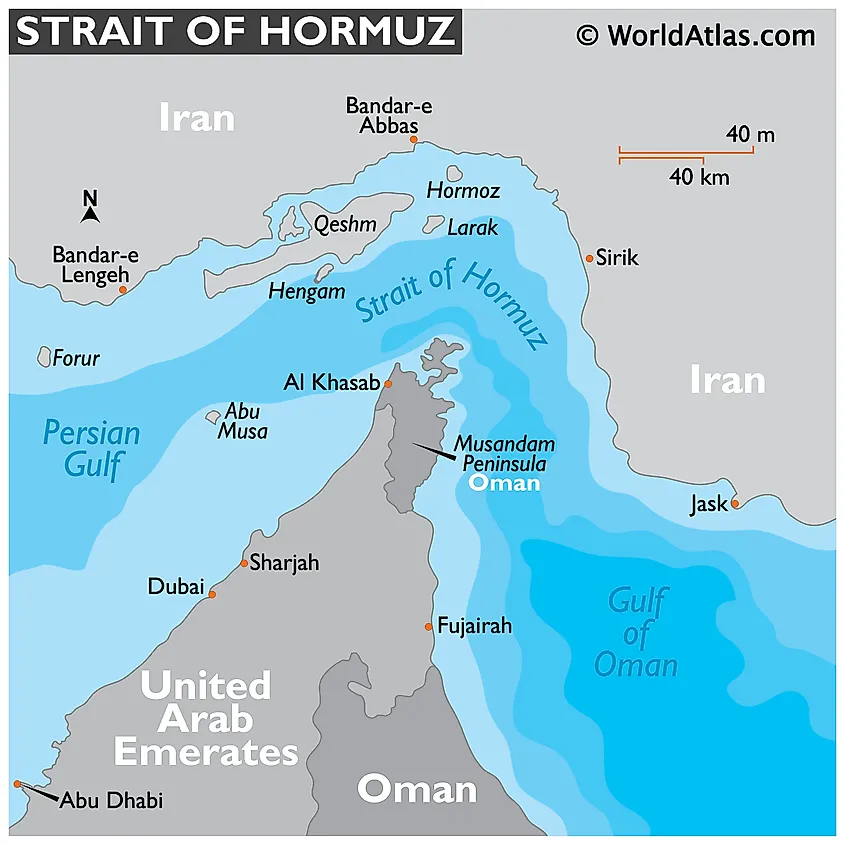
The U.S. military confirmed that its recent airstrikes were conducted in response to what it termed "provocative actions" against its regional assets. These strikes represent a shift from the relative calm observed in the months following the latest diplomatic efforts to stabilize the Persian Gulf. The U.S.
Regional Reactions and Security Implications
The drone attack reported in Bahrain has drawn sharp rebuke from Gulf countries. Officials in Manama characterized the incursion as a direct violation of territorial integrity. The GCC Secretariat issued a statement condemning the use of unmanned aerial systems, noting that such actions threaten the progress made toward regional security cooperation.
The tension has forced commercial operators to reconsider their transit schedules. Any sustained conflict in the Strait of Hormuz carries the potential to disrupt global energy markets, as approximately 20% of the world’s petroleum consumption passes through this chokepoint. The current situation creates a precarious environment for merchant mariners who must balance strict delivery deadlines with the reality of increasing physical risk to their crews and cargo.
What Happens Next for Global Shipping
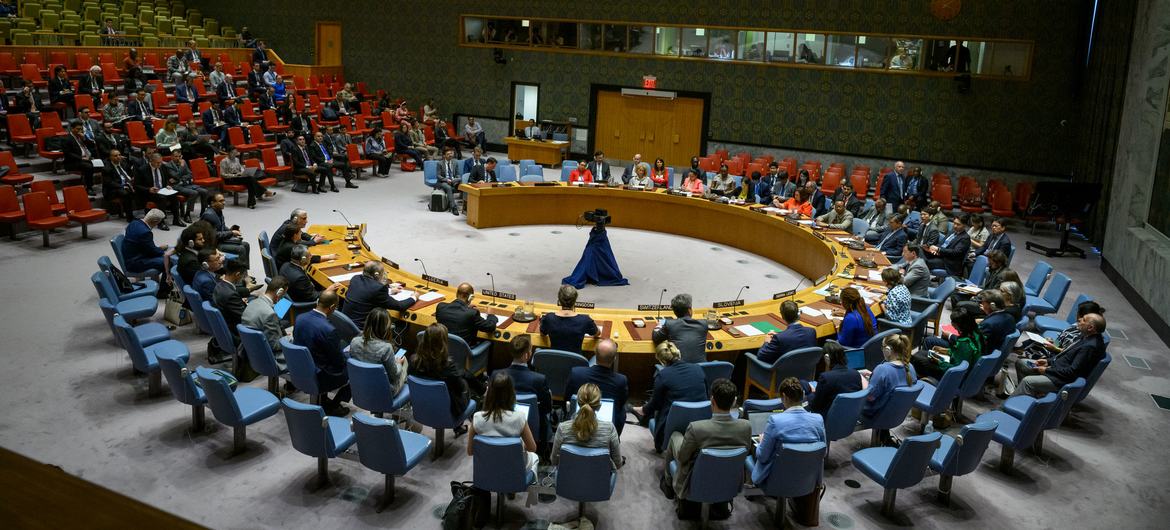
The immediate outlook for the region remains tied to the diplomatic responses from both Washington and Tehran. While military assets remain on high alert, international observers are looking toward the next scheduled meeting of the United Nations Security Council, where the maritime security situation is expected to be a primary agenda item. The ability of the current MOU to survive these kinetic exchanges remains the central question for regional diplomats.
For the shipping industry, the next checkpoint involves the release of updated security advisories. These advisories typically dictate whether vessels should alter their routes or implement heightened defensive measures when entering the Gulf. As of Thursday morning, no official closures of the Strait have been announced, but the situation remains fluid. We will continue to monitor official reports from the U.S. Fifth Fleet and regional maritime authorities as more details emerge regarding the tanker’s status and the origin of the strikes.
If you have information regarding the impact of these events on regional trade or shipping operations, please share your thoughts or updates in the comments section below. We encourage our readers to remain informed by tracking the latest notices to mariners and official government updates.
Keep reading