The United States government has signaled a hardening of its policy regarding regional stability in the Great Lakes region of Africa, emphasizing that it will not tolerate the exploitation of commercial and investment channels by armed groups. This shift follows recent targeted sanctions and intensified scrutiny of activities involving the M23 rebel group and the Alliance Fleuve Congo (AFC), as Washington seeks to curb illicit financial flows that sustain conflict in the Democratic Republic of the Congo.
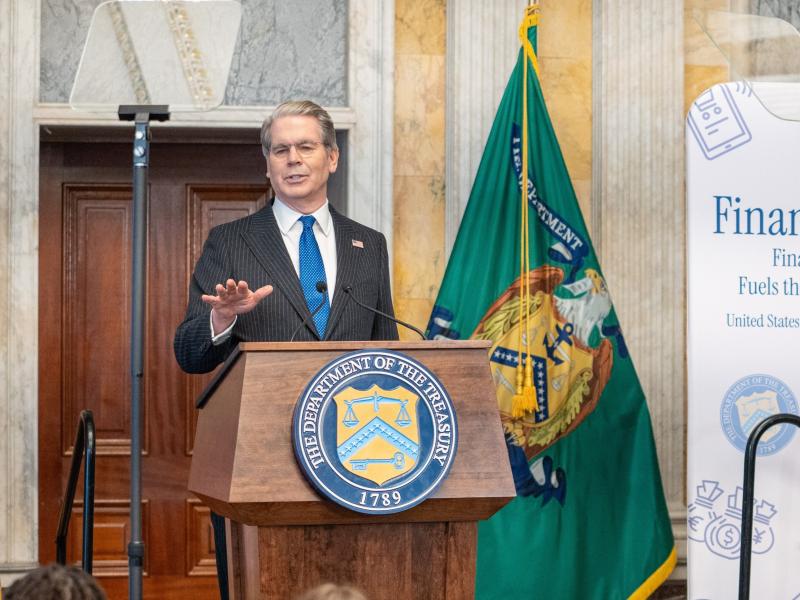
As the U.S. continues to refine its economic statecraft, observers are closely monitoring the rhetoric surrounding Scott Bessent, a prominent financier and potential economic advisor, regarding the intersection of international trade and national security. While specific policy mandates remain fluid, the core objective remains clear: strengthening transparency in supply chains to prevent “rogue groups” from profiting from trade. According to official U.S. Department of the Treasury statements, the U.S. remains committed to using financial tools to disrupt the funding networks that facilitate ongoing violence in eastern DRC.
The Strategic Shift in U.S. Sanctions Policy
The U.S. approach to the conflict in the eastern Democratic Republic of the Congo has increasingly focused on the intersection of illicit trade and armed insurgency. By targeting the financial lifelines of groups such as the M23, the U.S. Treasury Department aims to enforce compliance with international standards of transparency and human rights. The U.S. government has previously identified these groups as key drivers of regional instability, necessitating a move beyond diplomatic pressure toward tangible financial restrictions.
These measures are designed to complicate the ability of non-state actors to leverage regional resources for illegal gain. According to U.S. Department of State briefings, the strategy involves coordinating with international partners to ensure that mining and agricultural supply chains are not infiltrated by entities under sanction. This policy is part of a broader commitment to supporting the sovereignty and territorial integrity of the Democratic Republic of the Congo.
Transparency and the Role of Global Investment
For international investors and corporations operating in the region, the message from Washington is one of heightened due diligence. The U.S. government has repeatedly emphasized the need for rigorous vetting of business partners to avoid accidental complicity with sanctioned entities. This emphasis on transparency is intended to ensure that capital flows only to legitimate, law-abiding enterprises that contribute to local economic development rather than fueling destabilization.
The focus on the AFC and M23 reflects a broader U.S. policy trend of “de-risking” trade in conflict-affected areas. By demanding greater visibility into the ownership structures of companies operating in these sectors, the U.S. aims to close the loopholes that have historically allowed armed groups to thrive on the margins of the formal economy. The U.S. commitment to the region is framed as an effort to foster sustainable investment that respects local governance and international law.
Analyzing the Economic Implications
The debate over how the U.S. handles its economic engagement with regional stakeholders often touches upon the balance between security and development. While some analysts argue that strict sanctions can inadvertently impact legitimate trade, the prevailing view in official Washington is that the cost of inaction—allowing armed groups to capture market share—is higher. The emphasis on preventing “rogue groups” from profiting from trade underscores a fundamental shift where financial intelligence is increasingly used as a tool of foreign policy.

Moving forward, the effectiveness of these policies will likely depend on the cooperation of neighboring countries and the international regulatory bodies overseeing mineral supply chains. As the U.S. continues to monitor the situation, the focus will remain on whether these financial pressures can successfully diminish the operational capacity of the M23 and its allies. The next major checkpoint for these policies will involve periodic reviews by the Treasury’s Office of Foreign Assets Control (OFAC) regarding the status of sanctioned entities and the efficacy of current compliance measures.
We invite our readers to share their perspectives on the intersection of international finance and security in the comments section below. Stay tuned for further updates as new regulatory filings and diplomatic developments emerge regarding U.S. policy in the Great Lakes region.
Related reading