
The “Great American State Fair,” a multi-state exhibition project, faced significant operational disruptions during its recent opening, including widespread power failures and reports of staff walkouts. While organizers promoted the event as a celebration of American culture and regional industry, the rollout was marred by logistical challenges that led to immediate public scrutiny and questions regarding the event’s long-term viability in its current format.
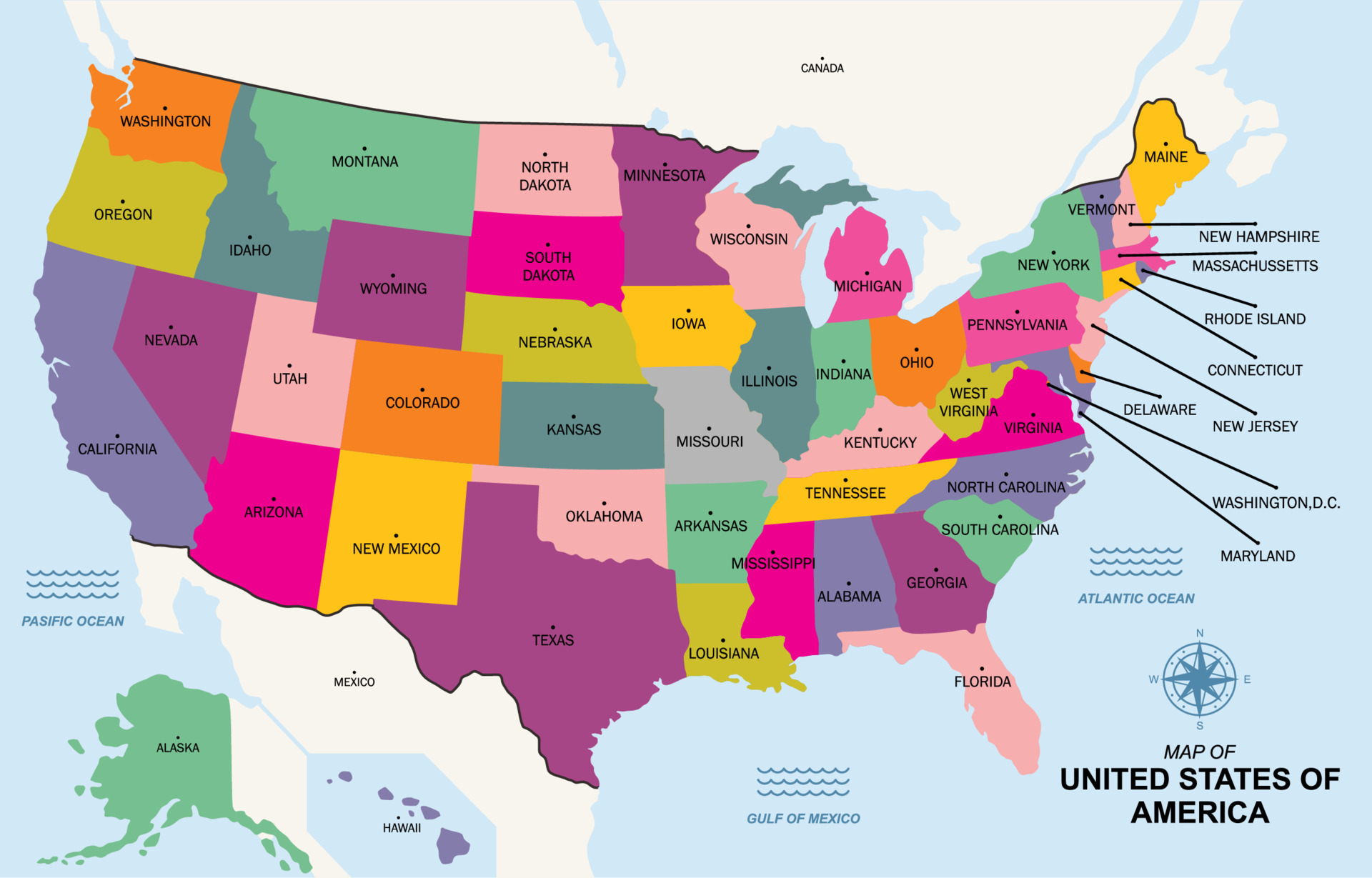
The fair, which aims to feature representation from various states, has struggled to secure consistent participation, with officials in North Carolina, Hawai’i, and other regions declining to commit resources. According to public records and state communications, many administrations cited the high costs associated with providing staff and logistical support for the 16-day duration of the event. To date, Oregon stands as the only state to have publicly formalized its reasoning for withdrawal, pointing to budgetary constraints and administrative priorities as primary factors in their decision to opt out of the exhibition.
Logistical Failures and Operational Challenges
The opening days of the fair were characterized by significant infrastructure instability. Attendees reported intermittent power outages across the venue, which affected vendor booths, lighting, and essential services for exhibitors. The cause of these electrical failures remains a point of contention between the site management and the event coordinators, though local utility reports have not yet provided a definitive assessment of the grid capacity utilized during the event’s peak hours.
Beyond the technical issues, the event faced a human capital crisis. Multiple reports from the fairgrounds indicated that a number of staff members staged walkouts shortly after the gates opened. While organizers have characterized these departures as minor staffing adjustments, participants on the ground described the situation as a reaction to inadequate working conditions and poor communication from management. The lack of a stable workforce created a bottleneck in security and guest services, further complicating the visitor experience.
State Participation and Budgetary Concerns
The viability of the Great American State Fair has been under pressure since its inception, largely due to the varying levels of interest from state governments. The financial burden of maintaining a presence at the fair—which includes staffing, transportation of regional exhibits, and compliance with local municipal ordinances—has proved prohibitive for several states.
In the case of Oregon, officials issued a public statement clarifying that the state’s resources were better allocated toward local agricultural and industrial programs rather than the interstate exhibition. Other states, including North Carolina and Hawai’i, have been more reticent about their specific reasons for declining participation, though legislative budget committees in those regions have frequently flagged the return on investment for such large-scale promotional events as insufficient. The absence of these states has left significant gaps in the fair’s intended regional representation, forcing organizers to consolidate sections of the venue.
What Happens Next
As the fair continues its scheduled run, the primary concern for stakeholders is the restoration of reliable infrastructure and the stabilization of the workforce. Organizers are expected to release an official update regarding the power grid modifications and revised staffing plans by the end of the current week.
For those tracking the event’s progress, official information is available through the venue’s management office and relevant state commerce department bulletins. Public inquiries regarding refunds or event scheduling should be directed to the fair’s official customer service portal, which serves as the primary channel for verified logistical updates. We invite our readers to share their experiences or observations regarding the event in the comments section below as we continue to monitor this developing story.
Keep reading