
The Trump administration is reportedly ordering staff not to confirm deaths or details about severe injuries at U.S. national parks, sparking a debate over transparency and public safety notification protocols. While some reports suggest these directives aim to restrict the flow of information to the public, officials have stated that the policy is not meant to conceal information from the public.
The National Park Service operates under the jurisdiction of the Department of the Interior. The current controversy centers on whether new internal guidance effectively creates a “blackout” period or informal moratorium on reporting incidents that have historically been shared with the media and the public.
Understanding Internal Communication Procedures
The reported guidance, which has not been publicly released in full, allegedly instructs park staff to refrain from confirming specific details about fatalities or serious incidents until formal reviews or next-of-kin notifications are complete. Critics argue this represents a departure from the transparency typically expected of federal land management agencies. However, officials maintain that the primary objective is to ensure accuracy and respect for victims’ families, citing the complexity of managing communications in vast wilderness areas where cellular service and verified reporting can be delayed.
The Department of the Interior frequently manages public safety information through regional offices. When incidents occur, protocols often require coordination between park rangers, local law enforcement, and regional public affairs officers. The challenge, according to agency observers, lies in balancing the public’s right to know about safety hazards—such as dangerous trail conditions or wildlife encounters—with the administrative burden of verifying sensitive data before it enters the public record.
Transparency and Public Safety Obligations
Public interest in park safety data is significant. Advocates for open government suggest that withholding details about deaths in national parks could obscure patterns of danger, such as hazardous terrain or recurring accidents at specific locations, which are essential for informed visitor planning.
Legal experts note that federal agencies must navigate FOIA requirements, which mandate the disclosure of government records while providing specific exemptions for personal privacy and law enforcement proceedings. If a policy directive were to categorically block information that is otherwise subject to disclosure, it could face legal challenges. As of now, there is no indication of a formal rule-making process to change these disclosure requirements, suggesting the reported guidance remains an administrative or internal operational shift.
What Happens Next
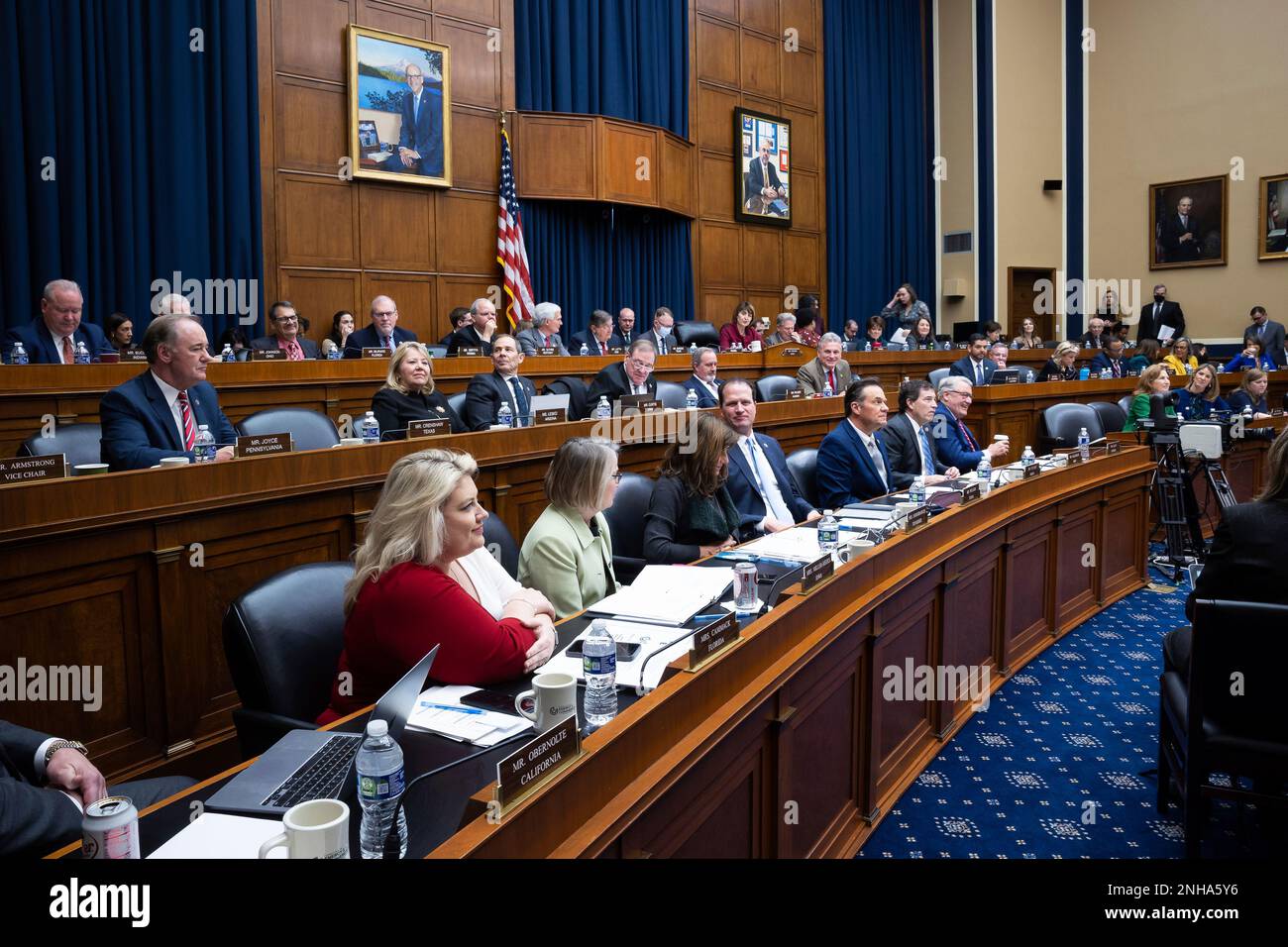
The next steps in this development involve potential oversight from congressional committees that monitor the Department of the Interior. Typically, if concerns regarding transparency persist, members of the House Committee on Natural Resources or the Senate Committee on Energy and Natural Resources may request briefings or internal documentation from the NPS leadership.
Visitors seeking information on current conditions, safety advisories, or incident reports are encouraged to monitor the official National Park Service website, which serves as the primary repository for alerts and operational updates. The agency continues to emphasize that visitor safety remains its top priority, and that standard procedures for emergency response remain unchanged regardless of communication policy adjustments.
Readers interested in the evolution of federal transparency policies are encouraged to share their experiences or comments below. Further updates will be provided as official statements or oversight reports become available.
Related reading