
The upcoming 2026 FIFA World Cup in Seattle is set to become a focal point for cultural and political tension as the city’s progressive LGBTQ+ identity intersects with the conservative legal frameworks of participating nations, including Iran and Egypt. This ideological confrontation, highlighted in reports concerning the intersection of Seattle’s Pride celebrations and the tournament, underscores a growing divide between host-city values and the geopolitical realities of international football.
As Seattle prepares to host matches at Lumen Field, the city’s prominent role in LGBTQ+ advocacy and its annual Pride events have placed it at the center of a debate regarding human rights and sports diplomacy. The potential participation of nations with strict anti-LGBTQ+ laws has raised questions about how FIFA and local organizers will manage the clash between the inclusive atmosphere of a North American host city and the domestic policies of various competing teams.
The tension was recently noted in discussions involving DW reporter Dave Braneck, who has covered the social landscape of Seattle. The discourse suggests that the presence of nations such as Iran and Egypt in a host environment like Seattle—known for its “Pride in the Park” celebrations—symbolizes a deeper “quiebre,” or break, in the alignment of global sporting events with universal human rights standards.
How will Seattle manage the clash of values during the 2026 World Cup?
Seattle is scheduled to serve as one of the primary host cities for the 2026 FIFA World Cup, an event that will be spread across the United States, Canada, and Mexico. The city’s hosting duties are centered around Lumen Field, a venue that will see high-profile international matches. However, the city’s social identity is inextricably linked to its advocacy for LGBTQ+ rights, a factor that distinguishes it from many previous World Cup host locations.
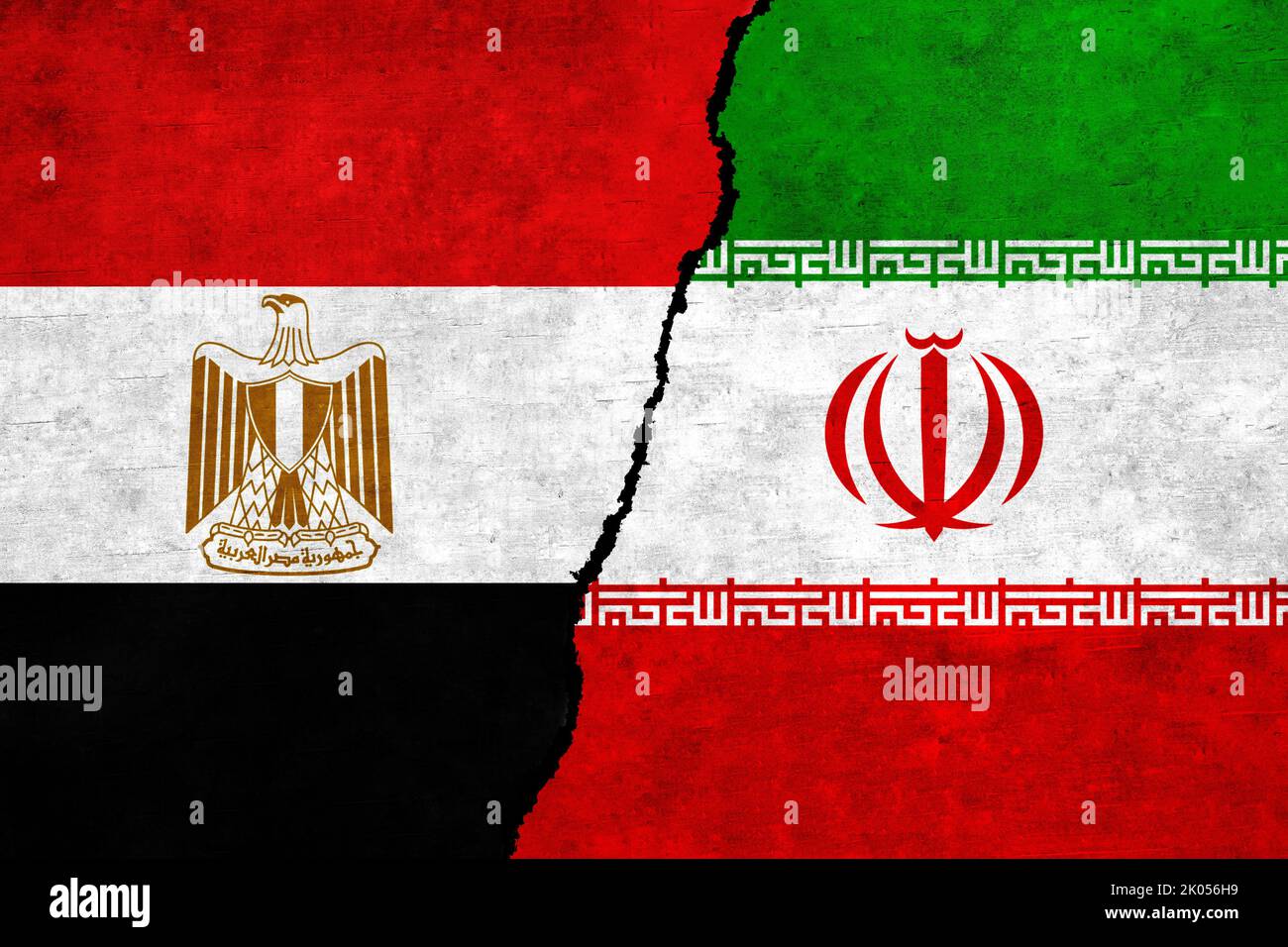
According to local community organizers and social commentators, the arrival of the World Cup coincides with a period of heightened scrutiny regarding how major sporting bodies handle diversity and inclusion. Seattle’s Pride celebrations, which are major annual events, represent a cultural standard that may conflict with the official stances of certain participating football federations. This tension is not merely theoretical; it is a practical challenge for local authorities and FIFA to ensure that the safety and expression of all fans are maintained without infringing upon the diplomatic protocols required for international competition.
The challenge for Seattle organizers involves balancing the “Pride” culture that defines much of the city’s public life with the rigid diplomatic requirements of FIFA. While host cities typically aim to showcase their local culture, the 2026 tournament presents a unique scenario where the local culture is explicitly centered on identities that are criminalized or heavily restricted in other participating nations. This creates a complex environment for security, public messaging, and fan engagement.
What role do Iran and Egypt play in this geopolitical tension?
The mention of Iran and Egypt in the context of a “Pride match” or a symbolic confrontation in Seattle highlights the specific geopolitical friction inherent in the tournament. Both nations have legal frameworks that are deeply restrictive toward LGBTQ+ individuals, creating a stark contrast to the social norms of the Pacific Northwest.
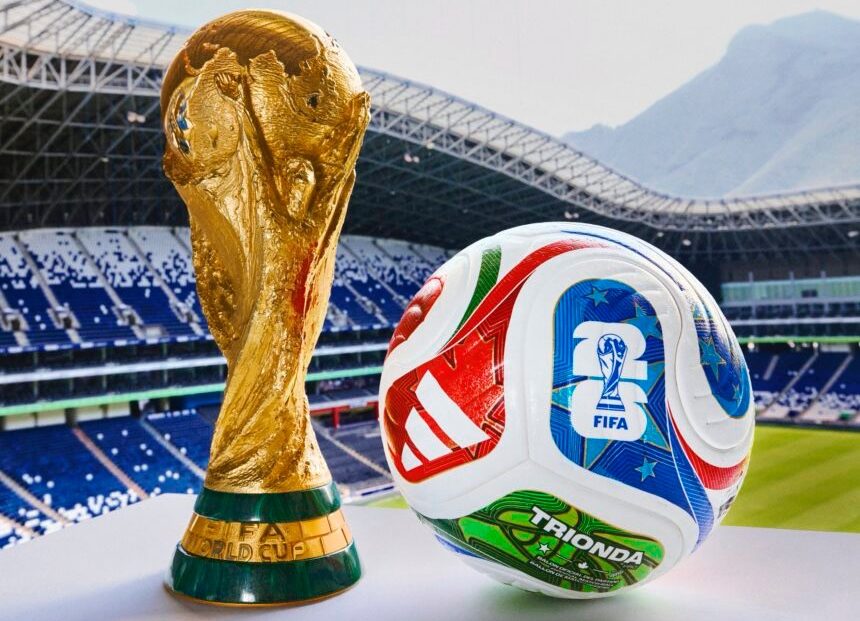
In Iran, the legal system enforces strict penalties for same-sex relations, with laws that can include capital punishment. According to human rights organizations, the Iranian government maintains a zero-tolerance policy toward LGBTQ+ identities, which extends to the public expression of these identities. Similarly, Egypt has seen an increase in legal crackdowns on LGBTQ+ individuals, with authorities often using “debauchery” laws to target and arrest members of the community. These domestic policies mean that athletes and fans representing these nations may find themselves in a direct ideological conflict with the host city’s environment.
The “confrontation” described by observers is not necessarily a physical or sporting clash on the pitch, but rather a symbolic one. When these nations participate in a tournament hosted by a city that celebrates Pride, it forces a confrontation between two different worldviews: one that views LGBTQ+ rights as fundamental human rights, and another that views them as violations of religious or moral law. This tension is expected to be a recurring theme throughout the 2026 tournament, as fans, activists, and governments navigate these opposing stances.
Why does the FIFA human rights precedent matter for Seattle?
The scrutiny facing the 2026 World Cup in Seattle is heavily influenced by the precedent set during the 2022 FIFA World Cup in Qatar. The Qatar tournament faced intense international criticism regarding its treatment of migrant workers and its stance on LGBTQ+ rights, which led to significant friction between FIFA and human rights advocates.
During the 2022 event, several European football federations and players expressed solidarity with the LGBTQ+ community, sometimes in direct opposition to the host nation’s laws. This created a diplomatic minefield for FIFA, which attempted to balance its commercial interests and its relationship with host governments against the pressure to uphold human rights. The lessons learned in Qatar are being applied to the 2026 preparations, as host cities in North America are expected to be much more vocal about their social values.

For Seattle, the “Qatar effect” means that the city and FIFA cannot treat social values as secondary to the sport. The intersection of FIFA’s global reach and the specific progressive identity of Seattle means that any perceived failure to protect or respect LGBTQ+ individuals could result in significant reputational damage to the organization. Consequently, the planning for 2026 includes a heightened focus on how to facilitate a tournament that respects both the diplomatic status of participating nations and the human rights of the local population and visiting fans.
What are the potential impacts on fans and participants?
The ideological divide is expected to have tangible impacts on the experience of both fans and athletes during the 2026 World Cup. For fans traveling from more conservative nations, the social landscape of Seattle may present a culture shock that requires careful navigation. Conversely, local fans and activists may use the tournament as a platform for protest or advocacy, potentially leading to demonstrations near match venues.
Athletes also face a unique set of pressures. Players from nations like Iran or Egypt may find themselves caught between the expectations of their home governments and the social realities of the host city. This could manifest in how players interact with the media, how they participate in pre-match ceremonies, or how they navigate public spaces in Seattle. The ability of FIFA to provide a safe and neutral environment for all participants, regardless of their background or the laws of their home countries, will be a critical metric of the tournament’s success.
Furthermore, the commercial aspect of the tournament—sponsorships, broadcasting, and tourism—will be affected by these tensions. Brands are increasingly sensitive to social issues, and the way the 2026 World Cup handles the intersection of football and human rights will likely influence future sponsorship decisions and the global perception of the sport.
A comparison of the upcoming tournament’s social landscape against previous hosts illustrates this shift:
| Feature | Qatar 2022 | Seattle 2026 (Projected) |
|---|---|---|
| Primary Social Conflict | Migrant rights & LGBTQ+ restrictions | LGBTQ+ inclusion vs. conservative national laws |
| Host City Identity | Conservative/Traditionalist | Progressive/Liberal |
| Public Expression | Highly restricted | Widely celebrated (e.g., Seattle Pride) |
| FIFA Strategy | Reactive/Mitigation | Proactive/Integration |
The next major checkpoint for the 2026 World Cup will be the release of official host city operational plans and security protocols by FIFA and local Seattle authorities, which are expected to detail how they will manage social demonstrations and ensure athlete safety.
What are your thoughts on the challenges of hosting a global event like the World Cup in a culturally diverse environment? Share your comments below and share this article to join the conversation.