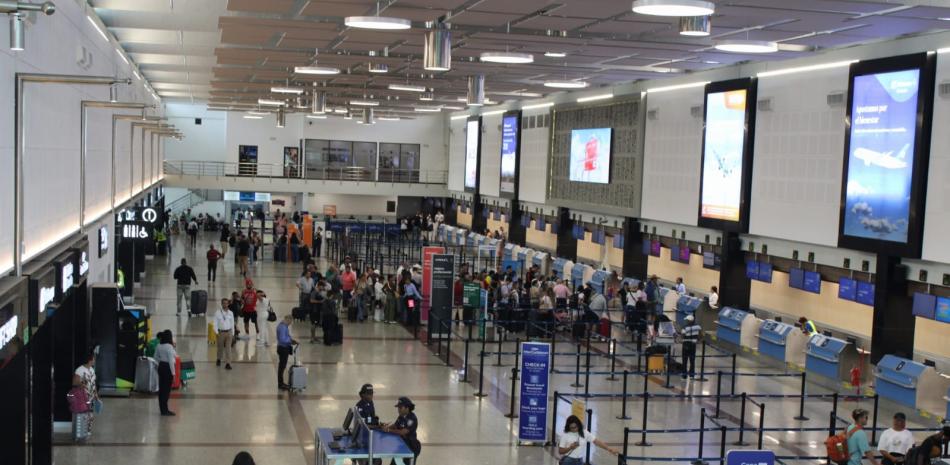
Travelers between the Dominican Republic and Venezuela are currently seeking alternative transit routes following the suspension of direct commercial flights between the two nations. This disruption follows a directive that suspended air operations to and from the Dominican Republic, Panama, and Peru.
Impact on Regional Travel and Connectivity
The suspension of direct air links has created significant logistical hurdles for the Venezuelan diaspora and business travelers. With direct flights unavailable, passengers are increasingly looking toward circuitous routes, though these alternatives often result in substantially higher ticket prices and longer transit times.

The situation is further complicated by seismic activity in Venezuela, which has impacted airport infrastructure, leading to operational delays at facilities like Maiquetía International Airport, where crews have worked to remove debris. Travelers are advised to monitor official updates for the most accurate information regarding flight status and regulatory changes.
Challenges for Returning Citizens
For many Venezuelan citizens attempting to return home, the lack of direct flights has necessitated travel by land. Reports indicate that some individuals are opting for long-distance bus travel to reach the Venezuelan border, a process that is significantly more time-consuming than air travel. The reliance on land routes highlights the severity of the aviation isolation currently experienced by the country.
Navigating Future Travel Disruptions
Travelers currently planning trips in the region are encouraged to employ several defensive strategies to mitigate the impact of potential future suspensions. First, always verify flight status directly through the airline’s official website at least 48 hours before departure. Second, ensure that any transit visas required for layover countries are secured well in advance, as last-minute rerouting may lead to being stranded in international zones without proper documentation.
The current state of air travel between Venezuela and its neighbors serves as a reminder of how quickly decisions can manifest in the civilian sector. For those needing to travel, maintaining flexibility may provide a degree of financial protection against the costs associated with sudden cancellations and the necessity of purchasing new, more expensive tickets on short notice.
As the situation remains fluid, the next major checkpoint will involve potential diplomatic negotiations aimed at restoring regional air corridors. Updates regarding these discussions will be issued by the respective foreign ministries of the involved nations. Readers are encouraged to share their experiences with regional travel disruptions in the comments section below to assist others in identifying viable, albeit difficult, transit alternatives.