
A 79-year-old man in Sweden is currently engaged in a protracted legal and financial dispute to void loans he alleges were secured by fraudsters in his name. The case, which highlights the increasing prevalence of sophisticated identity theft targeting elderly populations, centers on unauthorized credit agreements that have left the pensioner facing significant debt demands despite his claim that he never authorized the transactions.
According to reports from Sweden’s consumer protection advocates and local monitoring agencies, cases of identity-based financial fraud have seen a marked increase, with perpetrators often utilizing stolen BankID credentials to bypass security protocols. The victim, identified as Thom, has been working with financial institutions and regulatory bodies to prove that the loans were taken out without his consent, a process that experts note can be arduous due to the burden of proof resting on the consumer to demonstrate that security measures were compromised by third parties.
The Mechanics of Identity Fraud in Sweden
The rise of digital banking has streamlined financial services but has also created new vulnerabilities. In Sweden, the BankID system is the standard for verifying identity online. However, fraud often occurs when criminals manipulate victims through social engineering—a tactic where the perpetrator convinces the victim to provide access codes or approve transactions under false pretenses. The Swedish Financial Supervisory Authority (Finansinspektionen) regularly updates guidance on protecting digital identity, noting that once an authentication is performed, banks often view the transaction as authorized by the account holder.
For individuals like Thom, the challenge lies in disputing these “authorized” transactions. When a loan is taken out using a valid digital signature, the financial institution’s initial position is often that the contract is binding. The victim must then provide evidence of coercion or criminal interception to have the debt nullified. This process often involves filing a police report and engaging directly with the credit provider’s fraud department, which is governed by the Swedish Consumer Agency’s regulations regarding credit responsibility and consumer protection.
Legal Challenges for Elderly Victims
Elderly individuals are disproportionately targeted for such schemes, according to data from the Swedish National Council for Crime Prevention (Brå). The complexity of modern digital loan applications can be difficult to navigate, and once a fraudulent loan is processed, the interest and fees can accumulate rapidly, creating a compounding financial crisis for retirees living on fixed incomes.

Thom’s situation is representative of a broader struggle within the Swedish banking sector to balance user convenience with robust security. While banks have implemented stronger multi-factor authentication, criminals have adapted by targeting the human element—the account holder—rather than the software itself. Legal experts suggest that victims in these scenarios should immediately contact their bank to freeze accounts, file a formal police report, and document all communications with the loan provider, as these steps are critical for any potential reversal of the debt.
What to Do If You Are a Target
For those facing unauthorized debt, the path to resolution generally follows a standard institutional route. First, the account holder must report the incident to the police to establish a formal record of the crime. Second, the victim should notify their bank and the credit institution involved, requesting a full investigation into the loan application process, including the IP address and location of the device used to sign the contract.
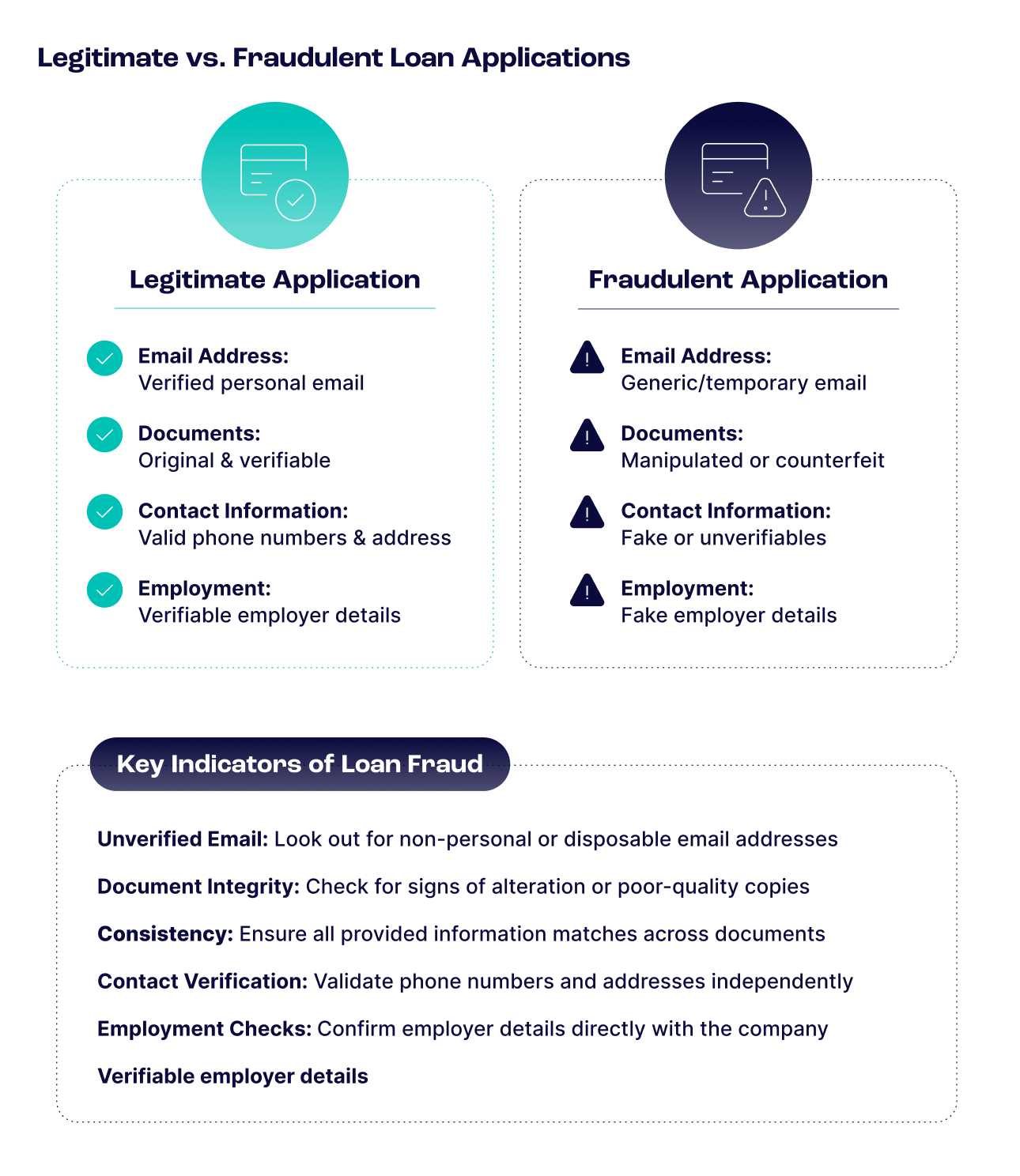
Furthermore, consumers can seek guidance from the Swedish Consumers’ Guidance service, which provides assistance to individuals struggling with debt and credit disputes. While there is no guarantee that a fraudulent loan will be discharged immediately, documented proof of police involvement and active cooperation with the bank’s fraud unit are the primary tools for protecting one’s credit rating and financial standing.
Future Outlook and Official Updates
As of the most recent updates, the fight against digital fraud remains a priority for both the Swedish government and the private banking sector. Lawmakers are under pressure to mandate stricter verification processes for high-value loans to prevent similar occurrences. Individuals currently involved in disputes are encouraged to monitor their credit reports through services like UC (Upplysningscentralen) to ensure no further unauthorized accounts are opened in their names.

There are no scheduled court dates or public hearings regarding this specific case at this time. Affected parties or those seeking information on how to report similar incidents are advised to consult the Swedish Police Authority website for the latest procedures on reporting financial identity theft. We will continue to monitor the situation as further information becomes available regarding the resolution of these claims.
Have you or someone you know experienced similar challenges with digital loan fraud? Share your thoughts and experiences in the comments section below.
Worth a look