
The proposed framework for a ceasefire and long-term security arrangement between Lebanon and Israel faces significant diplomatic and internal political hurdles, despite recent high-level statements suggesting a potential breakthrough. The negotiations aim to address the ongoing hostilities, though key stakeholders remain divided on the mechanics of enforcement and the future of the border’s security architecture.
The core of the current discussion revolves around the implementation of a framework agreement. The proposed agreement includes the withdrawal of the Israeli military while the Lebanese Armed Forces deploy to the region. The central point of contention remains the mechanism for ensuring the disarmament of Hezbollah.
The Diplomatic and Political Divide
Israeli officials have offered conflicting public assessments of the agreement. Benjamin Netanyahu has characterized the deal as “historic,” though he acknowledges internal opposition. Conversely, Itamar Ben-Gvir has criticized the framework, labeling it a “big mistake.” These internal disagreements mirror the complexities of the negotiations.
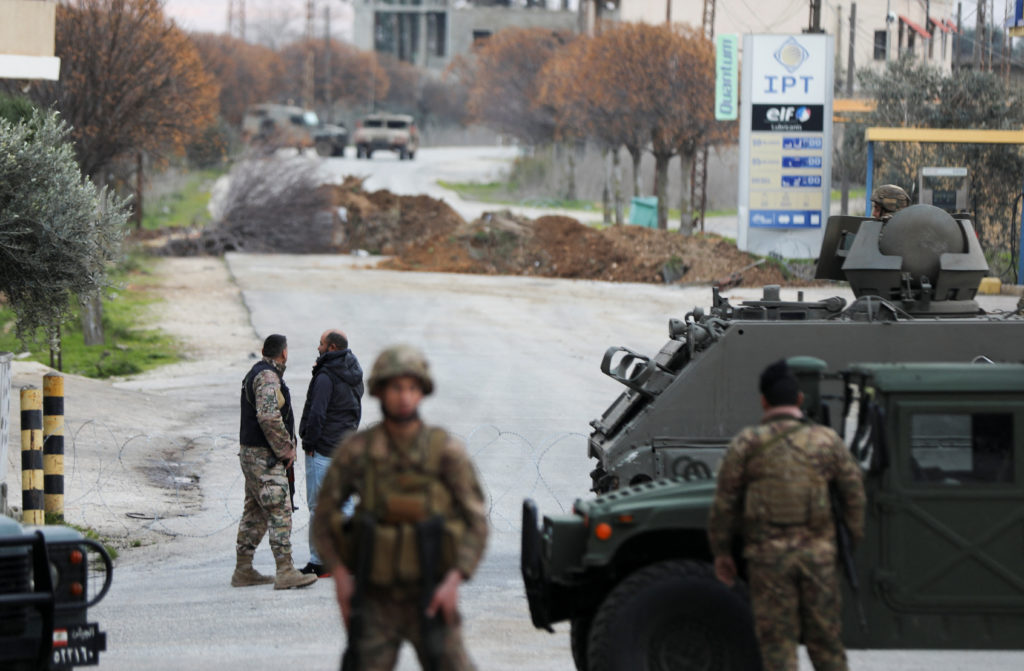
For the Lebanese side, the primary obstacle is the preservation of national sovereignty while navigating the pressure to curb Hezbollah’s military capabilities. The Lebanese government has signaled a willingness to implement the agreement, but the practical enforcement faces challenges. The occupation remains until the disarmament of Hezbollah.
Security Realities and Enforcement Mechanisms
The security aspect of the framework involves the creation of a monitoring committee. The function of this committee is intended to oversee compliance and report violations. However, the exact rules of engagement for this committee remain a subject of intense debate.
The presence of weapons in southern Lebanon remains the most sensitive issue. Israel has maintained that the ultimate goal is the disarmament of Hezbollah, a demand that clashes with the internal political influence of the group.
What Happens Next
The current phase of negotiations is expected to continue through diplomatic channels, with special envoys working to bridge the gap on enforcement protocols. There is no confirmed date for a final signing, as the parties must first reach a consensus on the technical annexes of the agreement. Israel Katz has stated that the agreement with Lebanon is a historic event and will change the security reality on the northern border.
This report will be updated as further details regarding the negotiations are confirmed by official sources. Readers are encouraged to share their perspectives on the diplomatic process in the comments section below.