
United States military forces have conducted a new series of strikes against targets within Iran, escalating regional tensions following maritime incidents near the Strait of Hormuz. The military action, which follows reports of renewed hostilities in the Persian Gulf, has prompted a sharp rhetorical response from Donald Trump, who issued a public warning regarding the existence of the Iranian state.
The latest strikes mark a shift in the operational status of the U.S. military in the Middle East, as officials evaluate the viability of existing de-escalation agreements. The strikes were executed in response to what the Pentagon described as direct threats to international shipping lanes, a critical artery for global energy supplies.
Military Escalation and Regional Security
The situation in the Strait of Hormuz remains volatile as both nations trade accusations regarding the breach of regional security protocols. The recent U.S. maneuvers follow at least two separate incidents involving maritime vessels, which prompted the deployment of additional naval assets to the region.
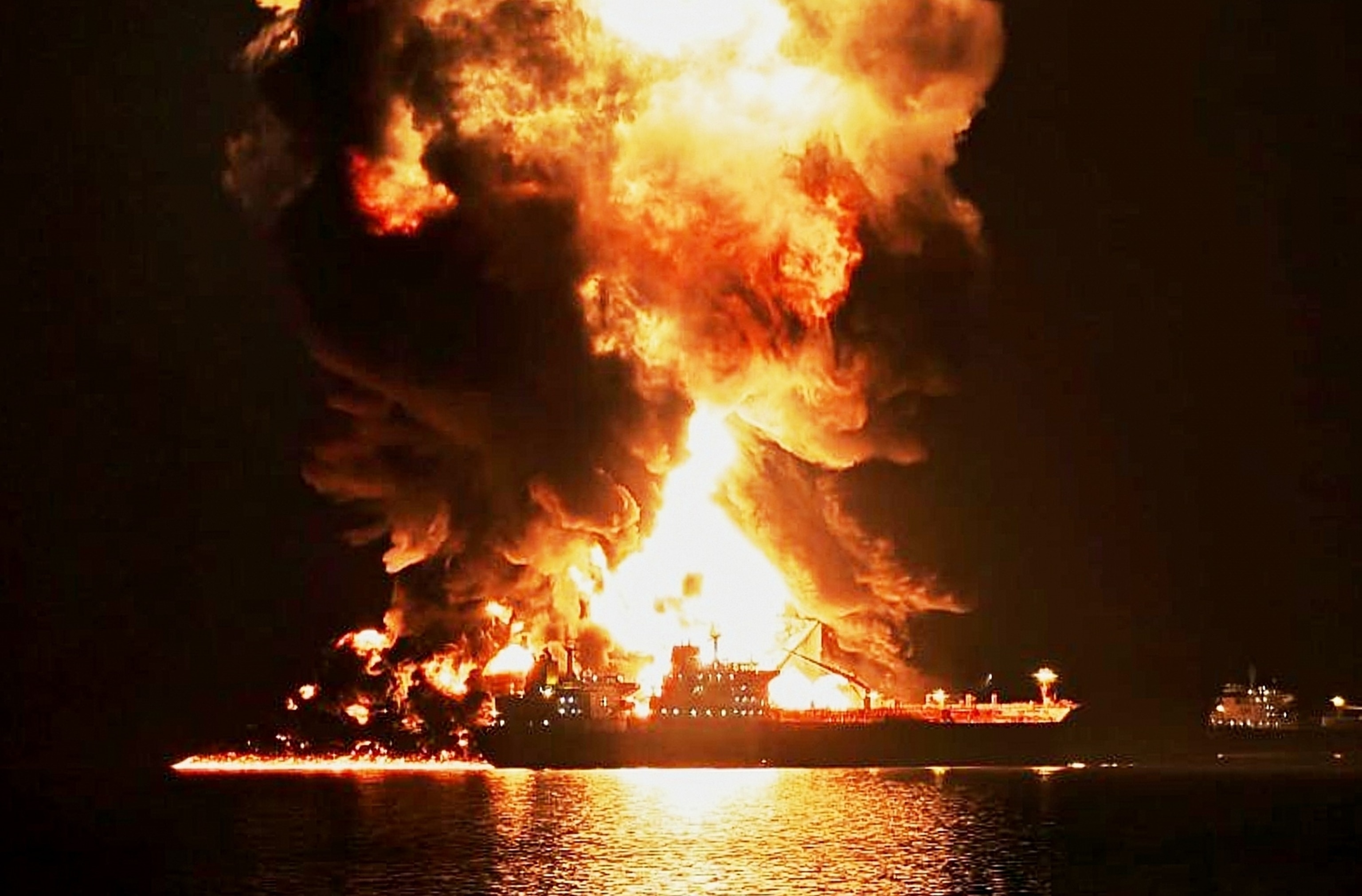
The U.S. administration has characterized the strikes as “defensive measures” necessary to protect the freedom of navigation. Conversely, Iranian officials have condemned the actions as an act of aggression, suggesting that the strikes undermine ongoing diplomatic efforts to maintain regional stability. The lack of a formalized, high-level communication channel between the two powers has complicated efforts to establish a lasting ceasefire, leaving maritime commercial traffic in a state of heightened alert.
The Rhetorical Shift and Political Implications
Donald Trump, responding to the news of the strikes, issued a series of statements. Trump stated that if the current path of conflict continues, the Iranian state “deixará de existir,” a phrase that has drawn significant attention from international observers and human rights organizations. Such rhetoric marks a return to the assertive foreign policy stance that characterized his administration’s approach to Middle Eastern security.
This escalation comes at a time when the international community is closely monitoring the risk of a broader conflict. Experts in international relations suggest that the intersection of military action and inflammatory political rhetoric increases the likelihood of miscalculation. While the U.S. maintains that its operations are targeted and proportional, the Iranian response remains unpredictable, potentially leading to further cycles of retaliation.
What Happens Next?
The next phase of this crisis depends on the capacity for back-channel diplomacy and the restraint shown by both naval commands on the ground. The immediate priority for international stakeholders is the prevention of a wider military confrontation that could disrupt global supply chains and increase energy prices.
For observers tracking the situation, official updates will continue to emerge from the U.S. Central Command (CENTCOM) briefings. As the geopolitical landscape evolves, the focus remains on whether the current military activity will lead to a sustained conflict or if diplomatic pressure can restore a fragile equilibrium. We encourage readers to share their perspectives on these developments in the comments section below and stay tuned to our ongoing coverage of global security affairs.
Related reading
- UK Government Launches Review of ZEV Mandate and Electric Vehicle Sales Targets
- Chinese Censorship Seeps Into US AI Models, WSJ Reports
- Trump Claims Total US Control of Strait of Hormuz as Iran Rejects Assertions (archyworldys.com)
- Apple Warns iPhone Users in 110 Countries of Mercenary Spyware Attacks (archynewsy.com)