
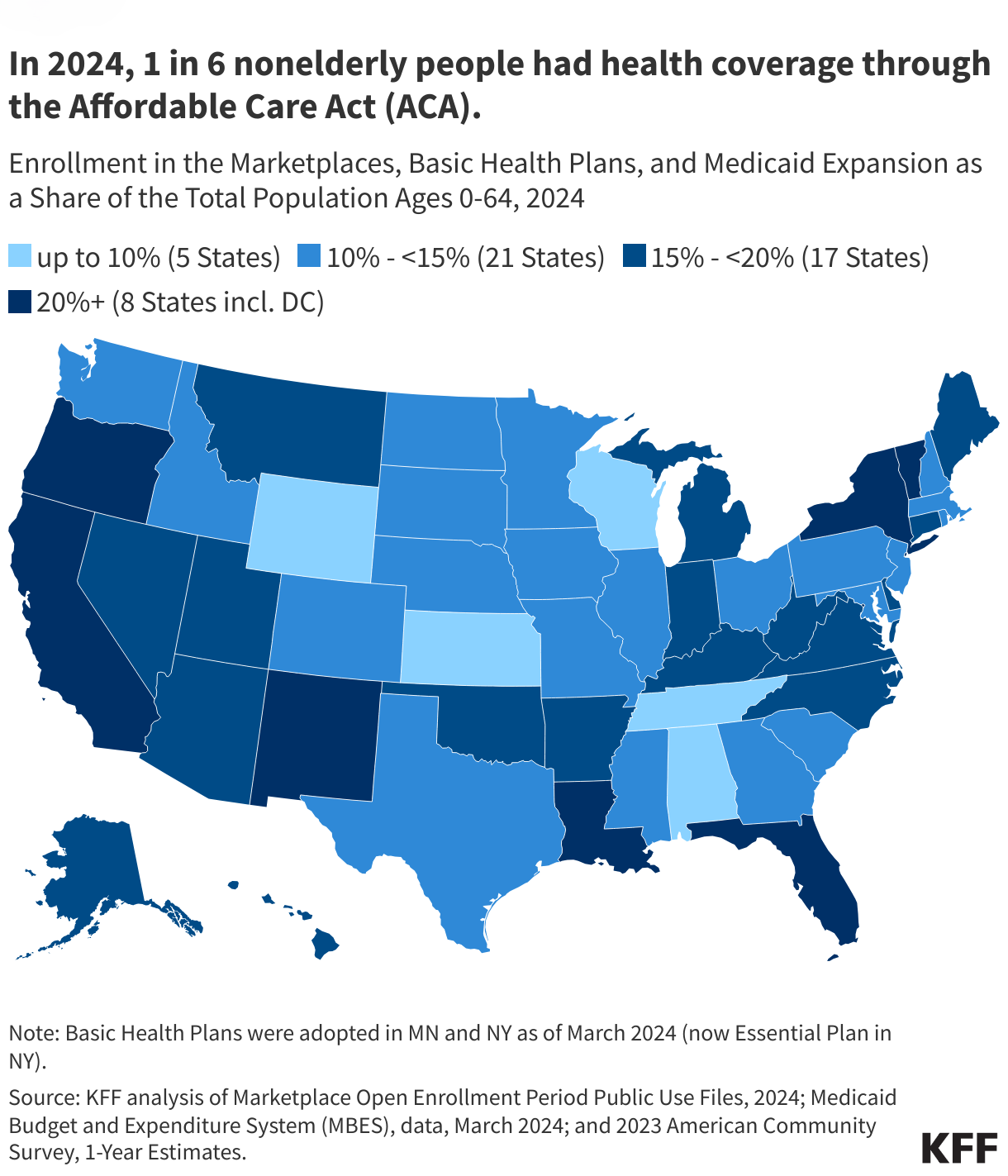
Approximately 3 million Americans experienced a loss of health insurance coverage through the Affordable Care Act (ACA) marketplace following the expiration of enhanced federal subsidies, a shift that has prompted significant concerns regarding premium affordability and healthcare access. These subsidies, originally expanded under the American Rescue Plan Act of 2021 and extended through the Inflation Reduction Act of 2022, were designed to lower monthly premiums for millions of enrollees by capping costs based on household income. As these legislative provisions near their expiration dates, policy analysts and federal regulators are monitoring the potential impact on enrollment stability and the financial burden placed on low-to-middle-income households.
The Affordable Care Act, signed into law in 2010, remains the primary mechanism for millions of Americans to secure private health insurance outside of employer-sponsored plans. According to the Centers for Medicare & Medicaid Services (CMS), marketplace enrollment reached record highs in recent years, largely driven by the temporary expansion of Advanced Premium Tax Credits (APTC). The following analysis addresses five critical questions regarding the current landscape of ACA coverage and the implications of subsidy fluctuations.
Why are federal subsidies for ACA plans changing?
The current structure of premium tax credits is tied to specific legislative deadlines. The Inflation Reduction Act of 2022 provided a temporary increase in the generosity of these subsidies, ensuring that most enrollees paid no more than 8.5% of their household income toward premiums. These enhanced credits are set to expire at the end of 2025 unless Congress acts to extend them. When subsidies expire or are reduced, the “benchmark” silver plan premiums rise, effectively increasing the out-of-pocket costs for participants who do not qualify for other forms of financial assistance. This transition is not a result of a change in ACA eligibility rules, but rather the sunsetting of specific budgetary authorizations that lowered the cost-sharing burden for consumers.

What is the impact of premium increases on enrollment?
For many households, even a modest increase in monthly premiums can render health insurance financially inaccessible. Data from the Department of Health and Human Services (HHS) indicates that enrollment is highly sensitive to price changes, particularly among younger, healthier populations who may perceive the cost-to-benefit ratio of insurance as unfavorable when subsidies are withdrawn. When premiums spike, individuals often face a “coverage cliff,” where the loss of financial support leads to a lapse in insurance. This creates a cycle where lower-income individuals may transition to uninsured status, leaving them vulnerable to significant medical debt in the event of an emergency or chronic health condition.
Who is most affected by the loss of subsidies?
The demographic most impacted by the expiration of enhanced subsidies includes households earning between 100% and 400% of the federal poverty level. While the ACA provides cost-sharing reductions for those at the lower end of this spectrum, those in the middle—often referred to as the “subsidy cliff” group—are disproportionately affected when federal support wanes. According to a report from the Kaiser Family Foundation, these individuals often do not have access to affordable employer-based coverage, making them almost entirely reliant on the marketplace to meet federal health insurance mandates and personal coverage needs.
What happens when a consumer loses ACA coverage?
When an individual loses coverage due to an inability to pay premiums, they typically enter a period of uninsurance until the next Open Enrollment Period or until they experience a Qualifying Life Event (QLE). Losing coverage because of a failure to pay premiums is generally not considered a QLE, which means these individuals may be barred from re-entering the marketplace until the following year. This delay can have severe consequences for those requiring ongoing prescriptions, routine screenings, or treatment for pre-existing conditions. Federal guidance available through Healthcare.gov outlines the specific circumstances under which consumers can enroll outside of standard windows, though these are strictly limited by federal regulation.
What are the next steps for policy and consumer protection?
The future of ACA enrollment stability remains a subject of intense debate in Washington. Lawmakers are currently evaluating the fiscal impact of extending the enhanced subsidies beyond 2025. According to the Congressional Budget Office (CBO), extending these credits would require significant federal expenditure, but supporters argue that the cost is offset by the public health benefits of maintaining a high rate of insured individuals. For consumers, the immediate path forward involves monitoring official communications from state and federal exchanges regarding their specific plan renewals. Consumers are encouraged to verify their income status annually on the marketplace to ensure they are receiving the maximum financial assistance for which they are eligible.
As the debate continues, the Department of Health and Human Services continues to release periodic updates on enrollment trends and legislative impacts. Readers seeking to understand how these changes affect their specific policy should consult the official documentation provided by their state’s insurance exchange or the federal portal. We invite our readers to share their experiences with marketplace coverage in the comments section below as we continue to track this evolving situation.