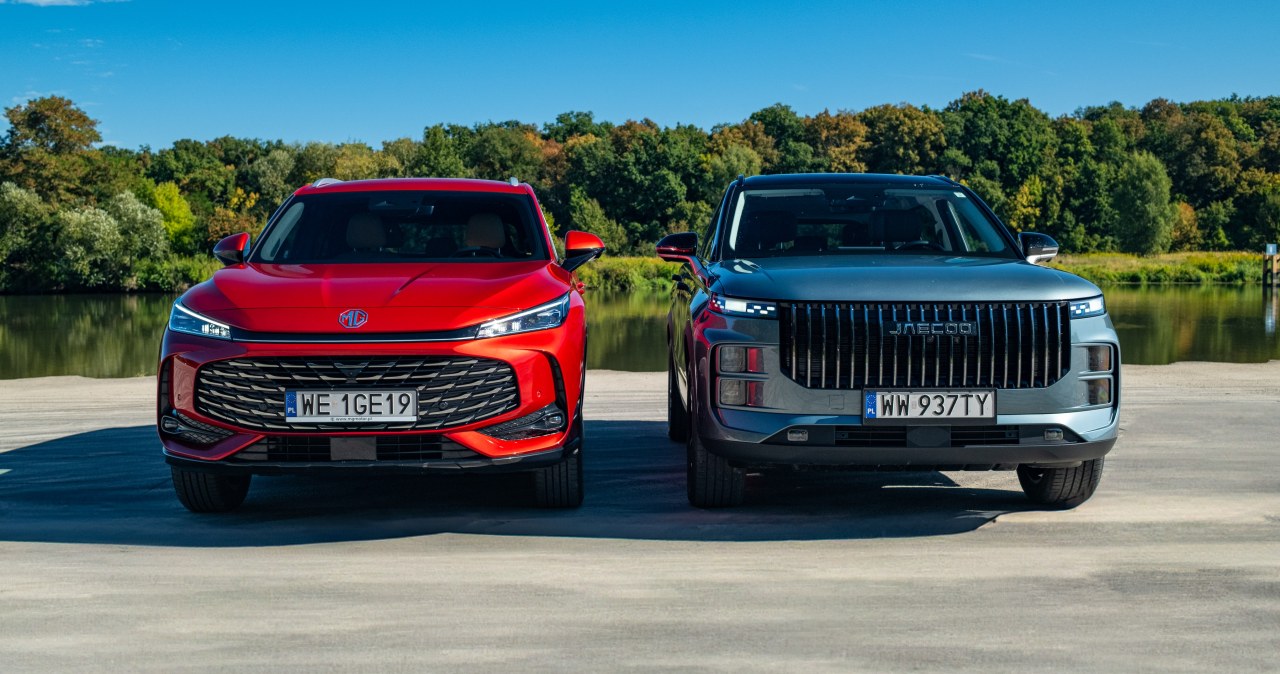
Chinese automotive manufacturers are rapidly expanding their global market share by leveraging aggressive pricing strategies and high levels of standard equipment. As of 2024, brands such as MG, BYD, and Geely have moved beyond their domestic borders to challenge established European and Asian incumbents in key markets, including the United Kingdom, Germany, and parts of Latin America. This shift is characterized by a focus on electric vehicle (EV) technology and sophisticated digital interfaces, often offered at a lower price point than comparable models from legacy manufacturers.
The influx of these vehicles has prompted regulatory scrutiny in several regions. The European Commission launched an investigation into state subsidies provided to Chinese EV manufacturers, which resulted in the implementation of provisional countervailing duties. According to the European Commission’s official statement from July 2024, these tariffs are designed to offset what regulators describe as unfair competitive advantages, with rates varying based on the level of cooperation from individual manufacturers during the probe.
Market Dynamics and Competitive Strategy
The rapid adoption of Chinese-manufactured vehicles is primarily driven by their “value-for-money” proposition. While legacy automakers have struggled with supply chain volatility and rising production costs, Chinese firms have utilized vertical integration, particularly in battery production, to maintain cost competitiveness. Data from the International Energy Agency’s Global EV Outlook 2024 indicates that Chinese manufacturers benefit from a mature domestic supply chain that significantly lowers the cost of lithium-ion battery packs compared to international peers.
This cost advantage is paired with a strategy of “feature-rich” packaging. Many entry-level and mid-range Chinese models include advanced driver-assistance systems (ADAS), large infotainment touchscreens, and over-the-air (OTA) software update capabilities as standard, whereas these items are frequently sold as optional add-ons by traditional Western brands. For consumers, this creates a perception of higher perceived value, which has accelerated brand recognition in highly competitive segments like compact SUVs and city cars.
Regulatory Responses and Trade Policy
The global expansion of these brands is not without significant political and economic friction. The European Union’s decision to impose tariffs on Chinese EVs highlights a growing tension between market access and industrial protectionism. The European Council confirmed in October 2024 that definitive countervailing duties would be applied to battery electric vehicles imported from China for a period of five years. These measures are intended to level the playing field, though industry analysts remain divided on whether such tariffs will deter consumer demand or simply accelerate the localization of production within Europe.

In response, Chinese officials have expressed opposition to these measures, framing them as protectionist barriers that violate World Trade Organization (WTO) rules. The Ministry of Commerce of the People’s Republic of China has repeatedly called for negotiations, suggesting that such trade disputes could have broader implications for bilateral economic relations and the global transition to sustainable mobility. The situation remains fluid, with manufacturers monitoring whether these duties will lead to price hikes for end-users or if firms will absorb the costs to maintain their current market trajectory.
Shifting Consumer Perspectives
For many years, the primary barrier for Chinese automotive brands in Western markets was a lack of brand heritage and concerns regarding long-term reliability. However, recent safety ratings have begun to change this narrative. Several Chinese models have achieved five-star ratings from the European New Car Assessment Programme (Euro NCAP), providing a tangible metric that addresses safety concerns for cautious buyers. This evolution in technical standards has allowed brands to move from being “budget alternatives” to legitimate contenders in the mainstream market.

As we look toward the 2025 fiscal year, the industry is bracing for further consolidation. The focus is shifting from simple export growth to deeper industrial integration. Some manufacturers are already exploring joint ventures or the establishment of manufacturing plants within the European Union to circumvent trade barriers and reduce logistics costs. This “in-region for-region” manufacturing model is expected to be a critical factor in determining which Chinese brands successfully secure a long-term foothold in Western markets.
The next major checkpoint for this sector involves the ongoing monitoring of trade compliance by the European Commission and the potential for new bilateral trade agreements between Beijing and individual EU member states. Market participants should look for upcoming quarterly earnings reports from key players, which will clarify how these tariffs are impacting profit margins and retail pricing strategies. Readers are encouraged to share their views on the evolution of the automotive market and the impact of trade policy in the comments section below.
Worth a look
- Why This Song Makes Me Feel Grateful to Be Alive
- Sisa Sklovská Reveals Her Figure Secret and Daily Essentials: It’s Not Juraj!
- Blue Jackets’ Zach Werenski Doubles Down on Desire to Stay in Columbus: NHL Trade Talk and Future Plans for Star Defenseman” Keywords: – Zach Werenski – Columbus Blue Jackets – NHL trade talk – Columbus Blue Jackets news – Zach Werenski future plans – NHL rumors (archyworldys.com)
- Chinese Giant Acquires MediaMarkt in Historic Move After Decade (newsdirectory3.com)