
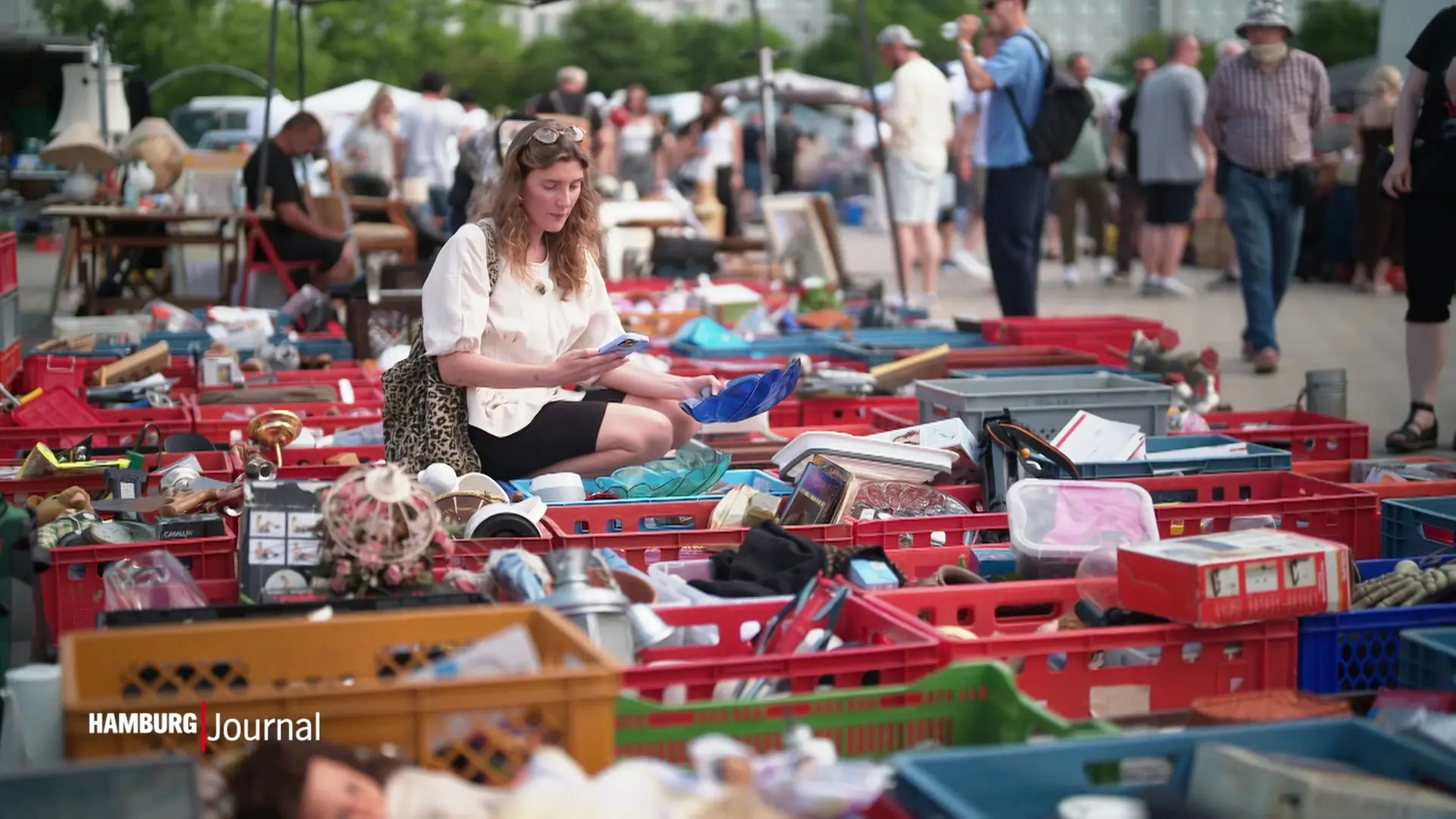
The traditional Hamburg flea market is undergoing a digital transformation as the global “thrifting” trend turns local stalls into content creation hubs for TikTok. While shoppers have long frequented sites like the Flohschanze or the markets surrounding the Museum der Arbeit to find secondhand treasures, these physical spaces are increasingly serving as backdrops for viral fashion hauls and curated vintage styling videos. This shift reflects a broader intersection between sustainable consumer habits and the creator economy, where the act of hunting for unique garments is now as much about the digital performance as it is about the acquisition of goods.
For many younger consumers in Hamburg, the city’s weekend markets have transitioned from simple retail venues into high-traffic filming locations. Creators are utilizing these spaces to document “thrift flips”—the process of finding and restyling pre-owned clothing—to satisfy a growing audience interested in circular fashion. According to industry analysis on consumer behavior, the rise of #thriftTok has significantly influenced how Gen Z and Millennial shoppers interact with physical retail environments, often prioritizing items that offer a distinct aesthetic or “main character” potential for social media feeds.
The Impact of Digital Trends on Local Commerce
The influx of content creators at Hamburg flea markets presents a complex dynamic for long-time vendors. While the increased foot traffic and interest in vintage items can boost sales, it also introduces logistical challenges. Vendors report that some areas of the markets become crowded with individuals filming product displays, which can occasionally obstruct genuine shoppers. Data from the official Hamburg tourism portal regarding local market regulations emphasizes that while photography for personal use is generally permitted, commercial filming or activities that impede market operations may require prior authorization from market management.
The economic impact of this trend is significant. The resale market, often referred to as the “recommerce” sector, is projected to continue its rapid expansion as consumers move away from fast fashion in favor of more sustainable alternatives. Research by ThredUp’s annual resale report highlights that the global secondhand apparel market is expected to grow three times faster than the average global apparel market. In Hamburg, this manifests as a heightened demand for high-quality vintage denim, leather jackets, and 90s-era sportswear—items that frequently feature in the viral videos circulating on platforms like TikTok and Instagram.
Why Thrifting Has Become a Social Phenomenon
The appeal of thrifting, particularly in a city with a robust maritime and industrial history like Hamburg, lies in the uniqueness of the finds. Unlike mass-market retail, the flea market offers a “treasure hunt” experience. Creators leverage this by showcasing their ability to find one-of-a-kind pieces, which aligns with the current digital emphasis on personal branding and individuality. By documenting these hauls, shoppers are not just buying clothes; they are participating in a communal digital narrative that champions sustainability and creative expression.
Furthermore, the shift toward secondhand shopping is supported by a growing awareness of the environmental costs associated with the fashion industry. According to the European Environment Agency, the consumption of textiles is one of the top contributors to climate change and environmental degradation in the European Union. By choosing to shop at local flea markets, Hamburg residents are engaging in a circular economy that extends the lifecycle of garments, a message that is heavily amplified by social media influencers who highlight the ethical benefits of their vintage purchases.
Navigating Hamburg’s Flea Market Culture
For those looking to participate in the thrifting scene, Hamburg offers a variety of venues that cater to different tastes. The Flohschanze, located in the Sternschanze district, remains one of the most popular destinations for vintage enthusiasts. It is widely recognized for its curated selection of antiques and retro clothing. Other notable locations include the markets at the Goldbekhaus and the various neighborhood-specific events that occur throughout the spring and summer months.

To ensure a positive experience, both for visitors and vendors, it is recommended that shoppers arrive early to secure the best items. As the digital influence on these markets grows, etiquette remains essential. Always ask a vendor for permission before filming their stall, and be mindful of your surroundings to ensure that other shoppers can access the merchandise. Respecting the local market culture is vital to maintaining the welcoming atmosphere that has defined Hamburg’s flea markets for decades.

Looking ahead, the integration of digital trends into traditional retail spaces is expected to remain a permanent fixture of the shopping landscape. As platforms evolve and new video formats emerge, the relationship between the physical stall and the digital screen will likely become even more deeply intertwined. Market organizers and city officials continue to monitor these trends to ensure that the city’s vibrant market culture remains accessible and sustainable for all participants.
For the latest updates on market schedules and any potential changes to local regulations, residents and visitors are encouraged to check the official City of Hamburg municipal website. If you have visited a Hamburg flea market recently, share your favorite finds or experiences in the comments section below.