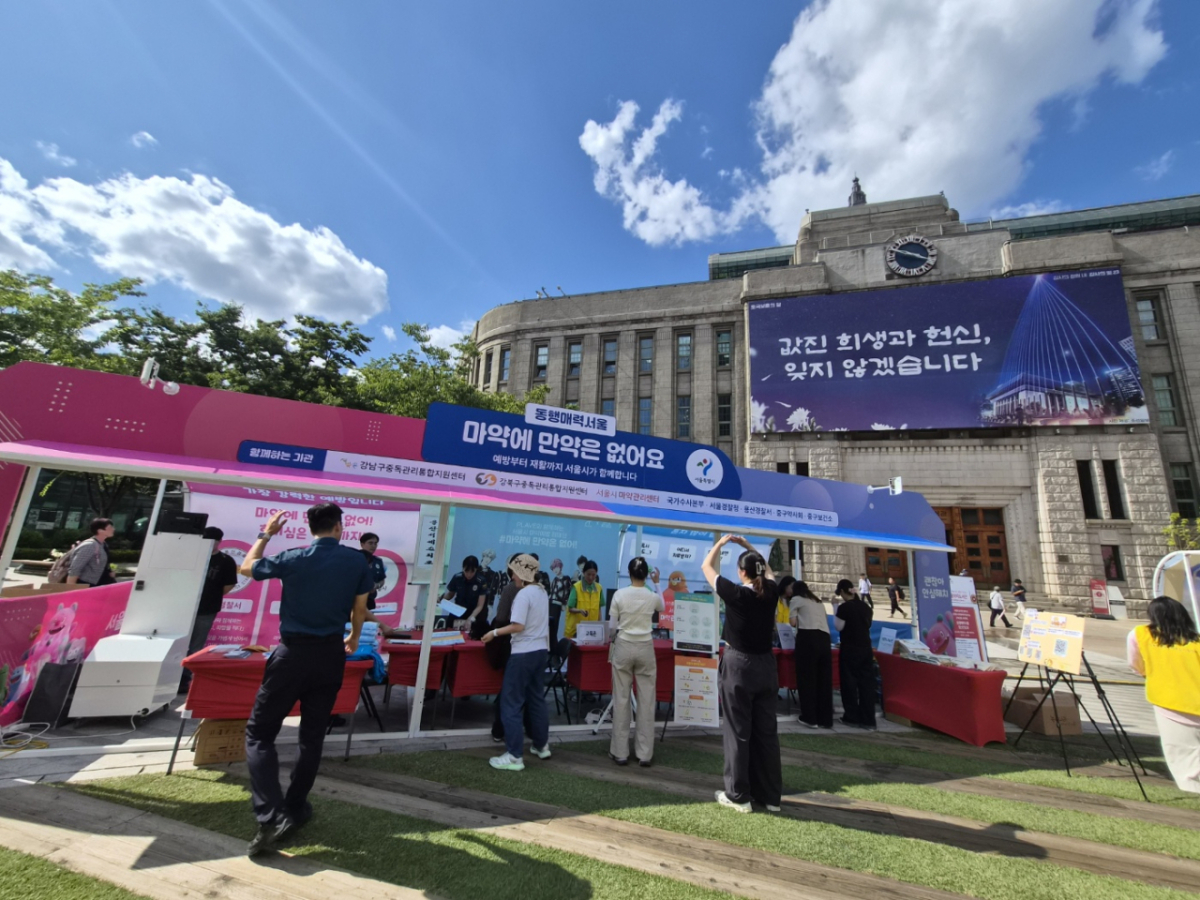
The Seoul Metropolitan Government has launched a city-wide drug prevention campaign titled “There is no ‘what if’ in drug use,” aiming to curb the rising incidence of substance abuse among residents. The initiative, which coincides with national efforts to address the misuse of prescription medications and illicit substances, highlights the increasing accessibility of narcotics and the severe health risks associated with their unauthorized use.
As a physician, I have observed how the normalization of certain prescription medications—particularly those used for weight management or mood regulation—can lead to dangerous cycles of dependency. When individuals seek out substances without rigorous medical oversight, the boundary between therapeutic use and chemical addiction often blurs. This campaign serves as a critical intervention, reminding the public that even medications perceived as “safe” by virtue of being prescribed can lead to severe health consequences if misused.
Understanding the Risks of Prescription Misuse
A primary focus of the Seoul health initiative is the misuse of appetite suppressants, such as phentermine. While these medications are approved for short-term weight management under strict clinical guidance, they are stimulants that carry a high potential for tolerance and dependence. According to the Ministry of Food and Drug Safety (MFDS), prescription stimulants are strictly regulated due to their structural similarities to controlled substances. When a patient finds that the initial dose is no longer effective and chooses to increase their intake without consulting a physician, they enter a state of chemical dependency that can alter neurochemistry.
The “no ‘what if'” message emphasizes that there is no safe way to experiment with addictive substances. The physiological impact of exceeding prescribed dosages often includes heart palpitations, anxiety, insomnia, and in severe cases, psychosis. Health authorities in Seoul are urging residents to recognize that the “what if” mindset—the false belief that one can manage a substance on their own—is often the first step toward a clinical addiction that requires professional rehabilitation.
Public Health Strategies for Prevention
The Seoul Metropolitan Government’s prevention week includes educational seminars, localized outreach, and increased monitoring of prescription patterns. By partnering with local pharmacies and medical clinics, the city aims to ensure that patients are fully informed about the risks of the medications they are prescribed. The Seoul Metropolitan Government has increasingly prioritized the integration of mental health support alongside substance abuse prevention, recognizing that many individuals turn to substances to cope with underlying stressors or body image concerns.
For those currently struggling with prescription medication misuse, the path to recovery involves a structured medical taper. It is vital that anyone concerned about their medication use contacts a licensed medical professional immediately. Patients should never attempt to stop taking stimulants abruptly, as this can lead to severe withdrawal symptoms, including depression and intense cravings. A physician can help manage this process safely, ensuring that the transition away from the medication is stable and medically supervised.
Resources and Next Steps
The city’s awareness week is part of a broader national strategy to track and prevent the illegal distribution of prescription drugs. The National Center for Mental Health provides resources for individuals and families affected by substance abuse, offering confidential consultations and information on local support networks. These services are essential for breaking the stigma that often prevents people from seeking help before a situation becomes critical.
The next phase of the city’s initiative will involve a review of prescription data to identify potential hotspots of drug misuse, as well as continued public awareness broadcasts. As we move forward, it is essential for the medical community and the public to maintain a transparent dialogue regarding the risks of pharmacological dependence. If you or someone you know is struggling with substance misuse, please utilize the official health portals provided by your local government or health department. Staying informed and seeking early intervention remains the most effective way to protect your long-term health.
If you found this report helpful, please share it with your community to help spread awareness about the importance of safe medication practices.
Related reading