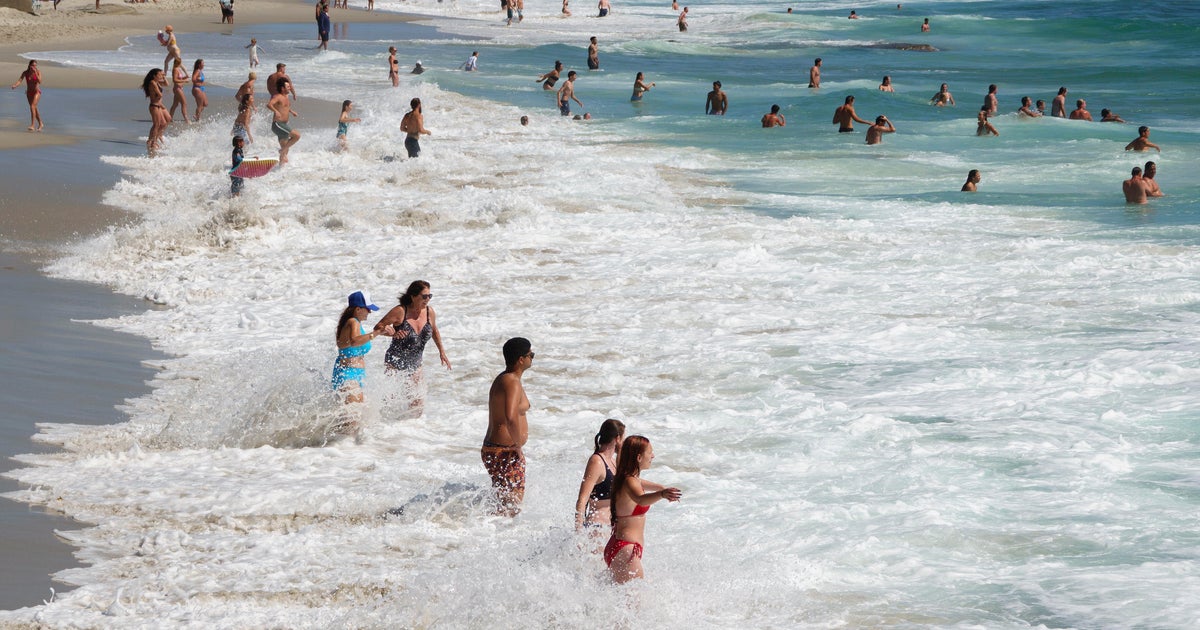
A persistent heat dome is currently settling over large portions of the United States, bringing dangerous, triple-digit temperatures to the Midwest and the Eastern seaboard. According to the National Weather Service, this prolonged period of extreme heat is expected to persist through the week, prompting heat advisories and excessive heat warnings for millions of residents across multiple states. Meteorologists define this weather pattern as a high-pressure system that traps heat near the surface, preventing cooler air from circulating and leading to an accumulation of intense, stagnant warmth.
The National Weather Service (NWS) has issued guidance for residents to monitor local forecasts, as heat indices are projected to reach levels that pose significant health risks, particularly for vulnerable populations including the elderly, young children, and those with underlying medical conditions. Official safety information and real-time updates regarding specific county-level warnings can be accessed through the National Weather Service official portal.
Understanding the Heat Dome Phenomenon
The current weather event is characterized by a “heat dome,” a meteorological phenomenon that occurs when a broad area of high pressure parks itself over a region. This high-pressure system acts as a lid on a pot, trapping heat beneath it and preventing the development of clouds or precipitation that might otherwise offer cooling relief. As air descends within this system, it compresses and warms further, exacerbating the temperatures at ground level.

According to data from the National Oceanic and Atmospheric Administration (NOAA), such systems are particularly dangerous because they remain stationary for days or even weeks. Unlike a typical summer day where sea breezes or evening thunderstorms might provide a reprieve, a heat dome locks in the thermal energy, causing overnight temperatures to stay abnormally high. This lack of nocturnal cooling prevents the human body from recovering from daytime heat stress, which significantly increases the risk of heat-related illnesses such as heat exhaustion and heat stroke.
Geographic Scope and Projected Temperatures
While the Midwest is currently experiencing the initial impacts of the high-pressure system, the heat is forecast to expand eastward into the Ohio Valley and the Mid-Atlantic states. In cities throughout the Northeast and New England, meteorologists are warning of a significant spike in temperatures that will feel substantially hotter due to humidity. This combination of heat and moisture—often measured as the “heat index”—is what emergency management officials use to determine the severity of public safety threats.

The Centers for Disease Control and Prevention (CDC) provides specific extreme heat safety guidance, advising the public to stay hydrated, seek air-conditioned environments, and limit strenuous outdoor activities during the peak afternoon hours. Local municipal governments are also opening cooling centers in various jurisdictions. Residents are encouraged to check their local city or county government websites for the specific locations and operating hours of these facilities.
Public Health and Safety Precautions
Health authorities emphasize that heat-related deaths are largely preventable with appropriate precautions. Key indicators of heat exhaustion include heavy sweating, weakness, dizziness, and a rapid pulse. If these symptoms progress to heat stroke—characterized by a high body temperature, confusion, and loss of consciousness—it is considered a medical emergency requiring immediate intervention.
Infrastructure may also face challenges during this period. High demand for electricity to power air conditioning units often places stress on regional power grids, which can lead to localized outages. Utility providers typically monitor these loads closely, and consumers are sometimes asked to reduce non-essential energy usage during peak afternoon hours to ensure grid stability. Information regarding energy conservation efforts is typically disseminated by local utility providers and state-level energy offices.
Next Steps for Residents
The current extreme heat event is expected to continue through the upcoming holiday weekend, according to the latest extended outlooks from the Climate Prediction Center. Because weather patterns can shift, official updates will be released daily by regional NWS offices. Residents should rely on these verified channels for information rather than social media speculation. Those planning outdoor activities for the July Fourth holiday are urged to adjust their schedules to avoid the most intense heat of the day and to ensure they have access to reliable shade and water.
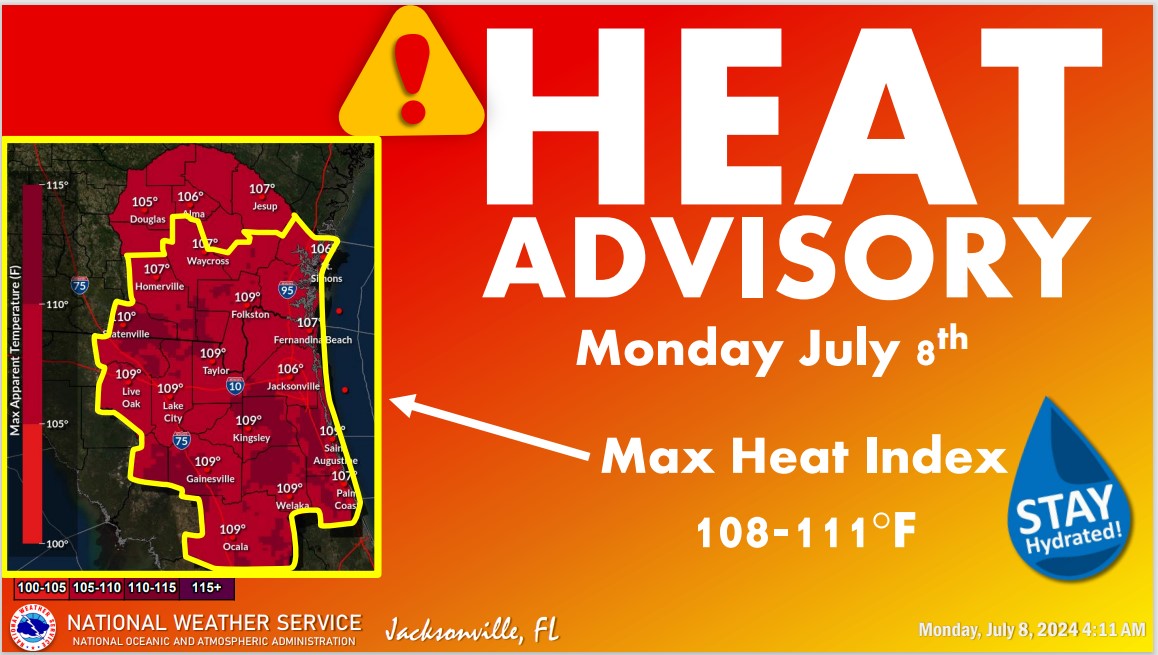
We will continue to track the movement of this high-pressure system as it evolves throughout the week. For ongoing updates on local heat advisories and safety protocols, please monitor official government alerts. We invite our readers to share this information with neighbors and family members who may be at higher risk. Join the conversation in the comments section below to share how your community is managing the heat.
Worth a look