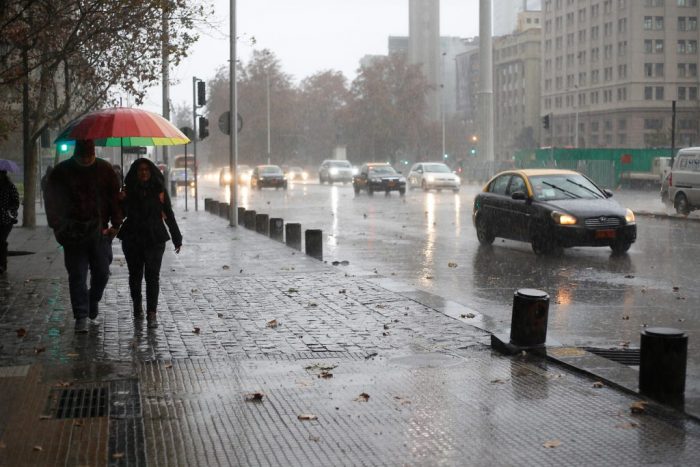
A significant weather front is expected to impact eight regions across Chile this week, bringing widespread rainfall and snow to the Metropolitan Region, according to the latest forecasts from the Dirección Meteorológica de Chile (DMC). The system, characterized by meteorologists as one of the most intense of the current season, is projected to affect areas ranging from the Coquimbo region down to the Los Lagos region.
The arrival of this system follows a period of relative atmospheric stability, prompting authorities to issue early warnings regarding potential hazards associated with heavy precipitation. While the rainfall is viewed as a necessary relief for the country’s ongoing water scarcity, the intensity of the incoming front has raised concerns about infrastructure resilience in vulnerable zones. Residents in the affected regions are advised to monitor official updates as the system progresses.
Meteorological Forecast and Regional Impact
The weather system is anticipated to deliver varying levels of precipitation, with the most significant accumulation expected in mountainous terrain. The DMC has highlighted that while coastal and valley areas will experience heavy rain, the high-altitude areas of the Santiago Metropolitan Region are slated for snowfall. This transition from rain to snow at high elevations is a common but impactful characteristic of such systems, often affecting mountain passes and connectivity between regions.

According to data provided by the Servicio Nacional de Prevención y Respuesta ante Desastres (SENAPRED), the precipitation is expected to be concentrated over a 48-hour window. The regions under observation include Coquimbo, Valparaíso, Metropolitana, O’Higgins, Maule, Ñuble, Biobío, and La Araucanía. Each of these zones has been categorized by varying levels of alert depending on the expected intensity of the wind and water accumulation.
Managing Infrastructure and Public Safety
In response to the forecast, regional authorities have activated contingency protocols to mitigate potential flooding and power outages. Infrastructure maintenance teams have been deployed to clear drainage systems in urban centers, particularly in the Santiago Metropolitan Region, where rapid rainfall often overwhelms older piping networks. The government’s emergency response framework prioritizes the protection of critical infrastructure, including hospitals and transport arteries, during these high-intensity weather events.
The impact on the Metropolitan Region is expected to be particularly noticeable due to the high population density and the vulnerability of mountain-adjacent communities. Officials have requested that citizens secure loose objects, clear gutters, and avoid travel to mountainous areas unless absolutely necessary. These precautionary measures are intended to reduce the strain on emergency services during the peak of the storm.
The Broader Context of Chilean Climate Patterns
This week’s front is part of a series of cyclonic systems that have moved across the South Pacific, a pattern that has been more active than in previous years. Climate analysts note that while such storms are typical for the austral winter, the moisture content and speed of these fronts are being closely studied to understand shifts in regional weather patterns. For farmers and water resource managers, the rainfall is critical for replenishing reservoirs that have been depleted by years of sustained drought, though the benefit is often tempered by the risk of erosion and landslides in mountainous areas.
For the most current information regarding weather alerts and road conditions, the public is encouraged to consult the official DMC website and follow the social media channels of SENAPRED. These platforms provide real-time updates on weather warnings and civil protection instructions. Updates will continue to be provided by these agencies as the weather front moves across the central and southern regions of the country throughout the remainder of the week.
Related reading