
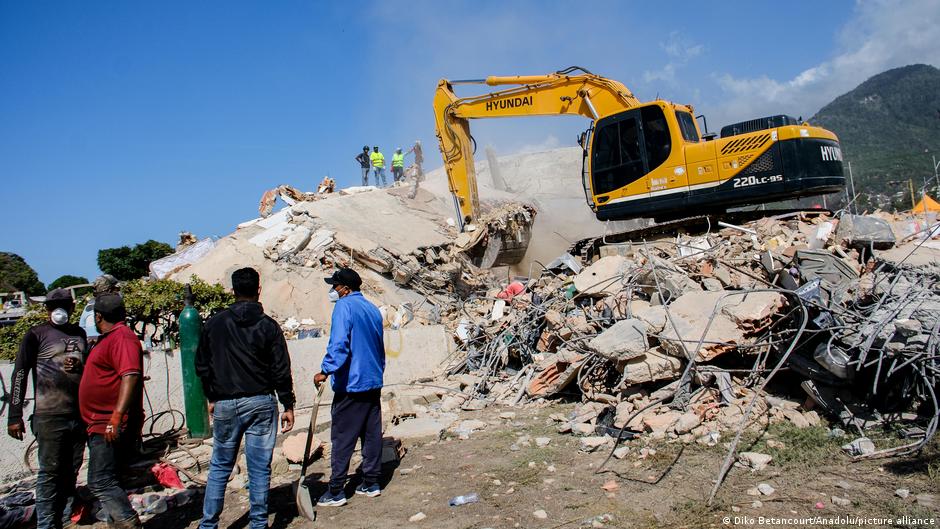
The United States government has mobilized additional military personnel and specialized rescue equipment to Venezuela to assist in emergency search and recovery operations following a series of significant earthquakes. This deployment, coordinated alongside international humanitarian efforts, follows the U.S. Department of the Treasury’s decision to temporarily ease specific sanctions, allowing for the expedited flow of aid into the country to address the ongoing humanitarian crisis.
As of this week, the Simón Bolívar International Airport in Maiquetía has resumed partial operations, serving as the primary logistics hub for the arrival of foreign aid. Military aircraft and helicopters carrying search-and-rescue teams have begun landing at the facility, marking a shift in the bilateral logistics environment to facilitate disaster response. U.S. officials are currently conducting site assessments at the Port of La Guaira to determine the feasibility of utilizing maritime channels to further accelerate the distribution of essential supplies.
Logistics and the Expansion of Humanitarian Aid
The arrival of U.S. military assets signifies a rare instance of operational cooperation amid long-standing diplomatic tensions. The focus of the mission remains strictly on search, rescue, and the provision of emergency medical supplies. The coordination involves working with local authorities to ensure that equipment reaches the most affected areas.
The decision to permit these resources into the country was facilitated by a targeted easing of sanctions. The Treasury Department lifted some sanctions on Venezuela to allow the country to face the tragedy.
Infrastructure Assessments at La Guaira
Beyond the aviation support at Maiquetía, technical teams are evaluating the structural integrity of the Port of La Guaira. The port is critical for the arrival of larger shipments of food, water, and temporary shelter materials that cannot be transported via air. Engineering teams are assessing the functionality of existing cranes and docking bays to ensure they can handle increased traffic from international relief vessels.
This assessment process involves identifying potential bottlenecks in the customs and port authority workflows. The goal is to establish a “green lane” for humanitarian cargo, ensuring that aid shipments bypass standard bureaucratic hurdles that often stall imports in the region. Local authorities in Venezuela have indicated a willingness to cooperate with international technical teams to restore full port capacity, acknowledging the scale of the destruction caused by the seismic events.
Scope of the International Response
The U.S. deployment is part of a broader, multi-national effort to stabilize the situation. While the U.S. military provides heavy-lift capabilities and specialized search teams, other nations and international bodies are contributing personnel and funding. The international community is currently monitoring the situation to determine if additional resources, such as mobile hospitals or water purification units, will be required in the coming weeks.
For observers of the region, this incident highlights the vulnerability of existing infrastructure to natural disasters and the complexities of delivering aid in a politically volatile environment. While the current focus is entirely on life-saving measures, the long-term recovery will likely depend on the sustained cooperation of international donors and the continued functionality of the logistical corridors currently being reopened at the airport and the port.
The next official update regarding the status of the aid corridor and the progress of search operations is expected. Residents and international stakeholders are encouraged to monitor official government channels for verified information regarding ongoing relief efforts. We welcome your comments and encourage readers to share this information with those seeking updates on the situation.