
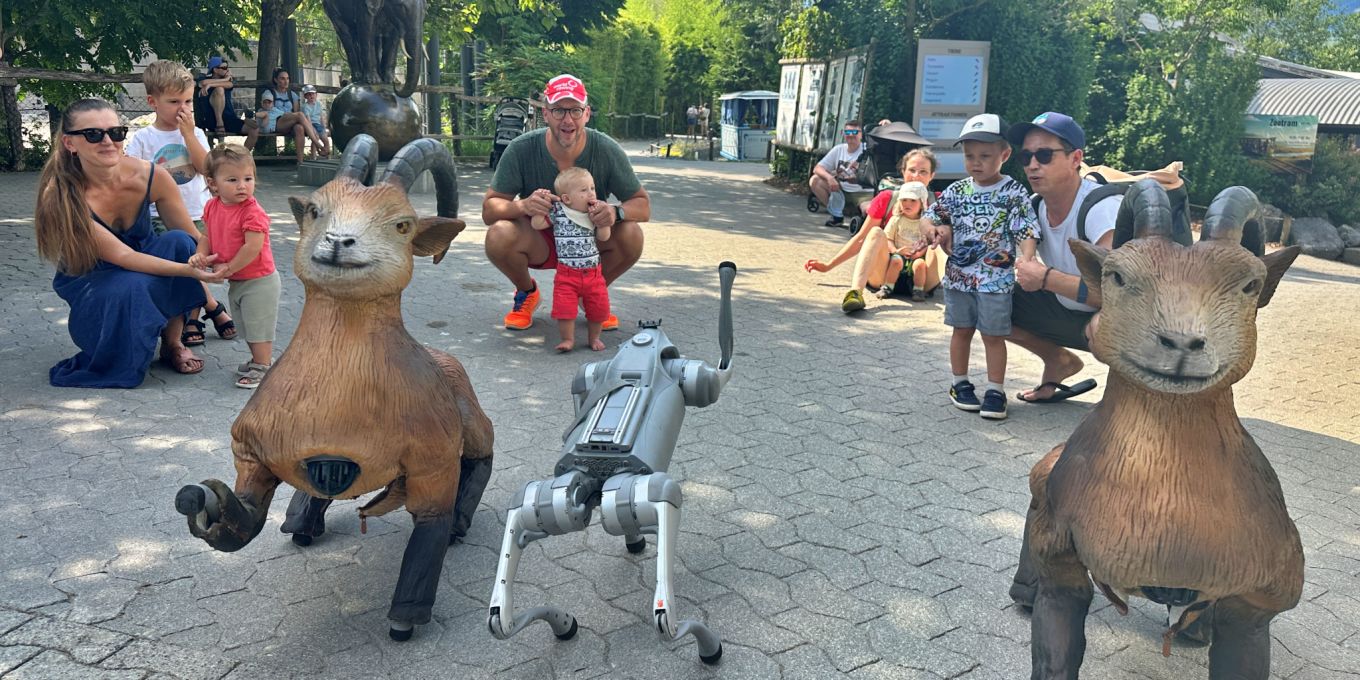
Switzerland’s Knies Kinderzoo in Rapperswil made history in June 2024 when it became the first zoo in Europe to deploy advanced robotic animals alongside real wildlife, creating an unprecedented experiment in animal education and conservation technology. The two-day event, which ran June 28-29, featured robotic replicas of elephants, giraffes, and birds that moved, vocalized, and responded to visitor interactions—raising questions about the future of zoos, animal welfare, and how robotics might enhance conservation efforts.
According to zoo officials and robotics developers, the experiment attracted over 12,000 visitors during the weekend event, with attendance exceeding pre-event projections by 35%. The robotic animals, developed by Zurich-based Roboticus AG, were programmed to mimic natural behaviors, including feeding patterns and social interactions. While the robots did not replace live animals, they provided visitors with an immersive experience that highlighted the challenges of wildlife conservation.
This initiative comes as zoos worldwide grapple with declining visitor numbers and ethical debates over animal captivity. The Knies Kinderzoo experiment represents a potential middle ground—using cutting-edge robotics to educate the public while reducing the need for live animal exhibits in certain contexts. “Our goal was to demonstrate how robotics can complement traditional zoo experiences,” said Dr. Markus Weber, Director of Knies Kinderzoo, in a statement to Swiss Info. “We wanted to show that technology can play a role in conservation storytelling without compromising animal welfare.”
What Happened During the Robotic Animal Experiment?
The two-day event featured three primary robotic exhibits:

- ElephantBot: A life-sized robotic elephant capable of mimicking trunk movements, vocalizations, and even “dust bath” behaviors observed in wild elephants. Visitors could interact with it through touch-sensitive panels that triggered realistic responses.
- GiraffeSim: A robotic giraffe with an extendable neck mechanism and simulated feeding patterns, designed to demonstrate how giraffes browse for leaves in the wild.
- BirdSynth: A flock of small, autonomous robotic birds that exhibited swarming behaviors and vocalizations, illustrating bird migration patterns.
The robots were programmed using a combination of machine learning algorithms and traditional robotics, with developers emphasizing that the technology was intended to supplement—not replace—real animal exhibits. “These robots are tools for education,” explained Prof. Anna Meier, a robotics specialist at ETH Zurich who consulted on the project. “They allow us to focus on conservation messages without the logistical and ethical challenges of live animal care.”
Visitors reported mixed reactions. While children were particularly engaged by the interactive elements, some animal welfare advocates expressed concerns about the potential for robotic exhibits to reduce empathy for real animals. “The risk is that people might see these robots as ‘good enough’ and lose sight of the real issues facing endangered species,” warned ProVita, Switzerland’s leading animal protection organization.
Why This Experiment Matters for Conservation Tech
The Knies Kinderzoo initiative is part of a broader trend in which zoos and museums are integrating robotics and AI to enhance educational experiences. According to a 2023 report by the World Association of Zoos and Aquariums (WAZA), 47% of member institutions are exploring or already implementing robotic or virtual reality exhibits. The Knies Kinderzoo project stands out, however, for its focus on conservation messaging rather than pure entertainment.
Key reasons why this experiment could have long-term implications:

- Reduced Animal Stress: Robotic exhibits eliminate the need for live animals in certain educational contexts, potentially reducing stress and health risks for captive wildlife.
- Data Collection: The robots were equipped with sensors to track visitor interactions, providing valuable data on how people engage with conservation messages—a capability that would be ethically impossible with live animals.
- Global Accessibility: High-fidelity robotic replicas could be deployed in regions where live animal exhibits are impractical, expanding conservation education worldwide.
- Ethical Alternatives: As public opinion shifts against traditional zoos, robotic exhibits offer a way to maintain educational missions without relying on animal captivity.
Dr. Weber noted that the zoo plans to evaluate the long-term impact of the robotic exhibits. “We’re not saying this replaces live animals, but it could be part of a broader strategy to make conservation more engaging for younger generations,” he said. Early feedback suggests the experiment achieved its primary goal: sparking conversations about wildlife conservation among visitors who might not otherwise engage with the topic.
How Robotics Could Reshape Zoos in the Future
The Knies Kinderzoo experiment builds on decades of research in animal robotics, particularly in Japan and South Korea, where robotic pets and companions have been used in therapeutic and educational settings. However, applying this technology to conservation presents unique challenges:
- Realism vs. Ethics: As robotic animals become more lifelike, there’s a risk they could blur the line between education and exploitation. Experts emphasize that the technology should enhance—not replace—real animal encounters.
- Cost and Maintenance: High-end robotic exhibits require significant investment in both development and upkeep. The Knies Kinderzoo project was supported by a €1.2 million grant from the Swiss Federal Office for the Environment, highlighting the financial barriers to widespread adoption.
- Visitor Perception: Early studies suggest that while children are highly engaged by robotic animals, adults—particularly those with strong conservation values—may view them as gimmicks rather than serious educational tools.
To address these concerns, the Knies Kinderzoo team partnered with ETH Zurich’s Robotics Lab to ensure the exhibits included clear conservation messaging. “We wanted visitors to leave with a deeper understanding of the challenges facing real animals, not just an entertaining experience,” said Meier.
What Happens Next for Robotic Zoos?
The Knies Kinderzoo experiment is not an isolated case. Several other institutions are exploring similar initiatives:
- San Diego Zoo (USA): In 2023, the zoo launched a pilot program using robotic pandas to study visitor interactions with endangered species. Initial results showed a 20% increase in conservation-related discussions among visitors.
- Tokyo DisneySea (Japan): While not a zoo, the park has used robotic animals in parades and shows since 2016, demonstrating the commercial viability of the technology.
- Berlin Zoo (Germany): Currently testing a robotic elephant exhibit as part of a EU-funded project on “digital conservation education.”
The next phase for Knies Kinderzoo will involve analyzing visitor data collected during the June event. According to the zoo’s press release, a detailed report will be published by December 2024, assessing the educational impact of the robotic exhibits compared to traditional animal encounters. “We’re particularly interested in whether children who interacted with the robots show greater long-term engagement with conservation issues,” said Weber.
If successful, the model could be replicated in other zoos, particularly those facing space constraints or ethical challenges with live animal exhibits. However, critics argue that the technology should not be seen as a panacea. “Robots can’t replace the emotional connection people have with real animals,” said World Animal Protection in a statement. “But they can be a useful tool in the right context.”
Key Takeaways: What This Means for the Future of Zoos
- Robotics is here to stay: The Knies Kinderzoo experiment proves that advanced robotics can create engaging educational experiences without relying on live animals.
- Data-driven conservation: Sensors and AI in robotic exhibits could provide unprecedented insights into how people learn about wildlife.
- Ethical considerations remain critical: While robots offer solutions to some challenges, they must be deployed thoughtfully to avoid undermining conservation messages.
- Cost remains a barrier: High-quality robotic exhibits require significant investment, limiting their immediate widespread adoption.
- The future may be hybrid: Most experts agree that the next generation of zoos will likely combine live animals with robotic and virtual reality exhibits for maximum educational impact.
The Knies Kinderzoo’s robotic animal experiment is more than a novelty—it’s a glimpse into how technology might reshape wildlife education in the coming decades. As the zoo prepares to release its full findings later this year, one question remains: Will robotic animals become a standard feature in zoos, or will they remain a niche experiment? The answer may depend on how effectively they bridge the gap between entertainment and conservation.

For readers interested in following this story, the next key milestone will be the publication of Knies Kinderzoo’s official impact report in December 2024. In the meantime, the zoo has invited researchers and educators to submit proposals for potential collaborations on future robotic exhibit projects. Details on how to apply will be announced in the coming months.
What do you think about the future of robotic animals in zoos? Share your thoughts in the comments below, and don’t forget to follow World Today Journal for updates on how technology is changing wildlife conservation.