
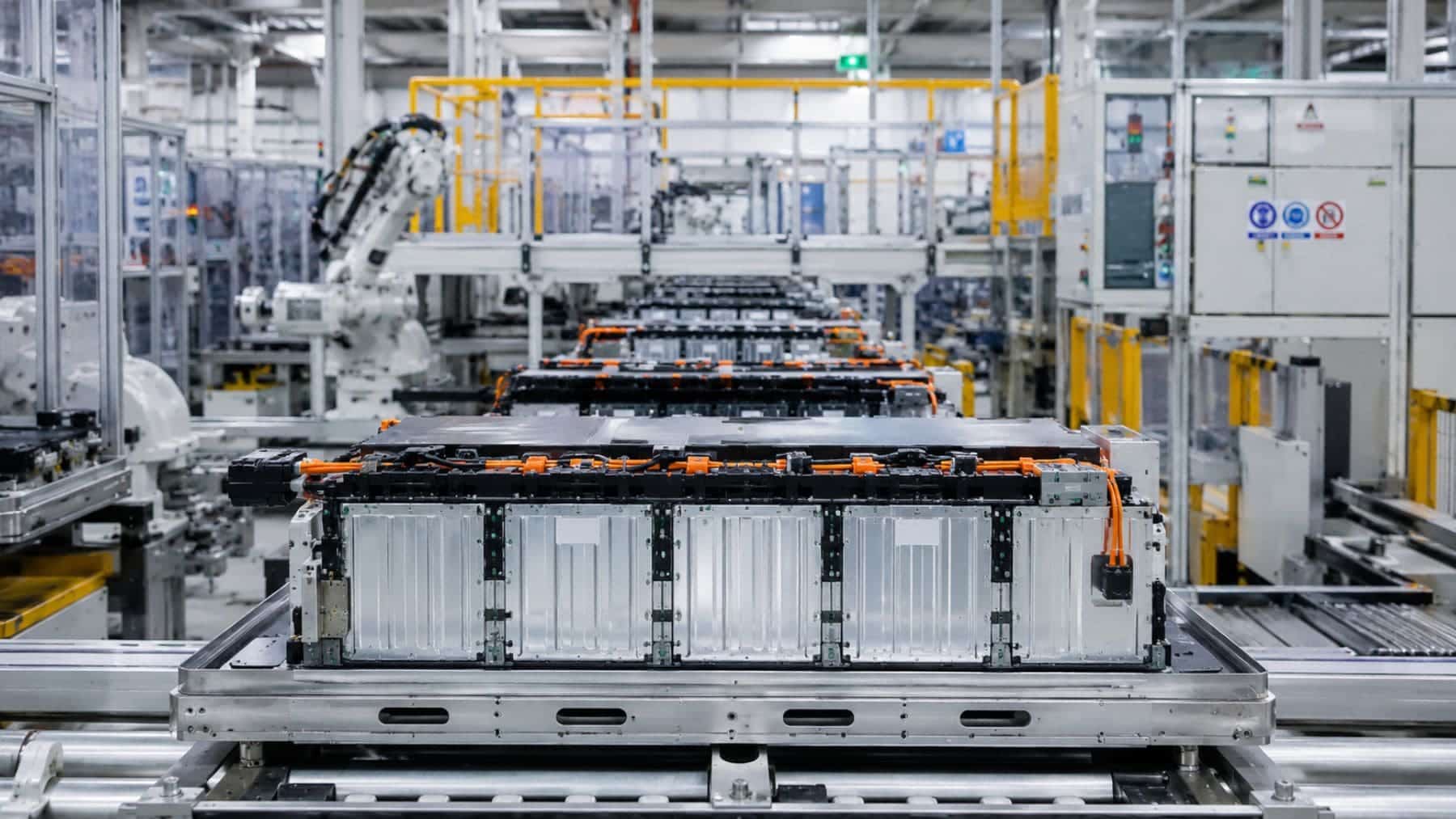
Northvolt, the Swedish battery manufacturer once heralded as Europe’s premier answer to Chinese dominance in the electric vehicle (EV) supply chain, has filed for Chapter 11 bankruptcy protection in the United States. The move follows a period of severe liquidity shortages and operational setbacks, marking a significant reversal for a firm that had secured billions in capital and government-backed support to build a domestic battery champion.
The company, which had raised approximately 15.000 millones in total funding since its inception, confirmed the filing in November 2024. According to official company statements reported by Reuters, the bankruptcy process is intended to facilitate a financial restructuring that will allow the firm to maintain core operations while shedding unsustainable debt. The collapse of the firm’s ambitions highlights the volatility of the European green-tech industrial strategy, which has struggled to scale production against lower-cost global competitors.
The Financial Collapse of a European Champion
Northvolt’s financial trajectory was characterized by aggressive expansion and massive injections of public and private capital. At its peak, the company was valued at a high amount, backed by high-profile investors including Volkswagen, Goldman Sachs, and BlackRock. However, the company faced consistent production delays at its flagship “Northvolt Ett” gigafactory in Skellefteå, Sweden, and mounting losses that reached significant levels in 2023, as detailed in reports by the Financial Times.

The reliance on government guarantees was central to the company’s funding model. European governments, eager to reduce reliance on Chinese battery imports, provided significant financial backing. Reports indicate that Northvolt had secured 6.000 millones in loan guarantees and state-backed credit facilities. Despite this, the company failed to meet production targets, and the subsequent “liquidity crunch” forced management to seek emergency financing, which ultimately proved insufficient to stabilize the balance sheet.
Asset Sales and Strategic Realignments
As part of the restructuring process, Northvolt has begun divesting assets to manage its remaining cash flow. Recent reports suggest that segments of the company’s operations are being sold to international entities. In Germany, local subsidiaries have moved to divest specific assets, with industry analysts observing that the intellectual property and manufacturing equipment are being appraised at significantly lower valuations than their initial investment costs.
This “fire sale” environment has prompted concerns regarding the future of European industrial sovereignty. While the European Union’s Green Deal Industrial Plan aims to foster local manufacturing, the Northvolt case demonstrates the difficulty of competing with established Asian suppliers who benefit from economies of scale. According to data tracked by Bloomberg, the bankruptcy filing specifically targets the parent company’s debt load, while regional operations in Sweden and Poland seek to continue production under court-supervised oversight.
What Happens Next for the Battery Supply Chain
The immediate future of Northvolt depends on the outcome of the Chapter 11 proceedings in a U.S. court. The company has stated it intends to emerge from the process in early 2025 with a leaner cost structure and a narrowed focus on its most viable production lines. For the automotive industry, which had signed multi-billion dollar supply contracts with Northvolt, the bankruptcy introduces significant uncertainty regarding delivery timelines for EV batteries.

European policymakers are now faced with a difficult assessment of their industrial policy. The reliance on individual “national champions” to secure supply chains is being scrutinized, with calls from industry groups for more diversified investment strategies. For now, the Swedish manufacturer remains under court-supervised restructuring, and creditors are awaiting a comprehensive debt-reorganization plan to be filed with the U.S. Bankruptcy Court for the Southern District of New York.
As the situation develops, updates regarding the court-mandated restructuring plan and potential asset sales are expected to be published through the company’s investor relations portal. Readers are encouraged to monitor official court filings and regulatory disclosures for the most accurate information on the transition.