
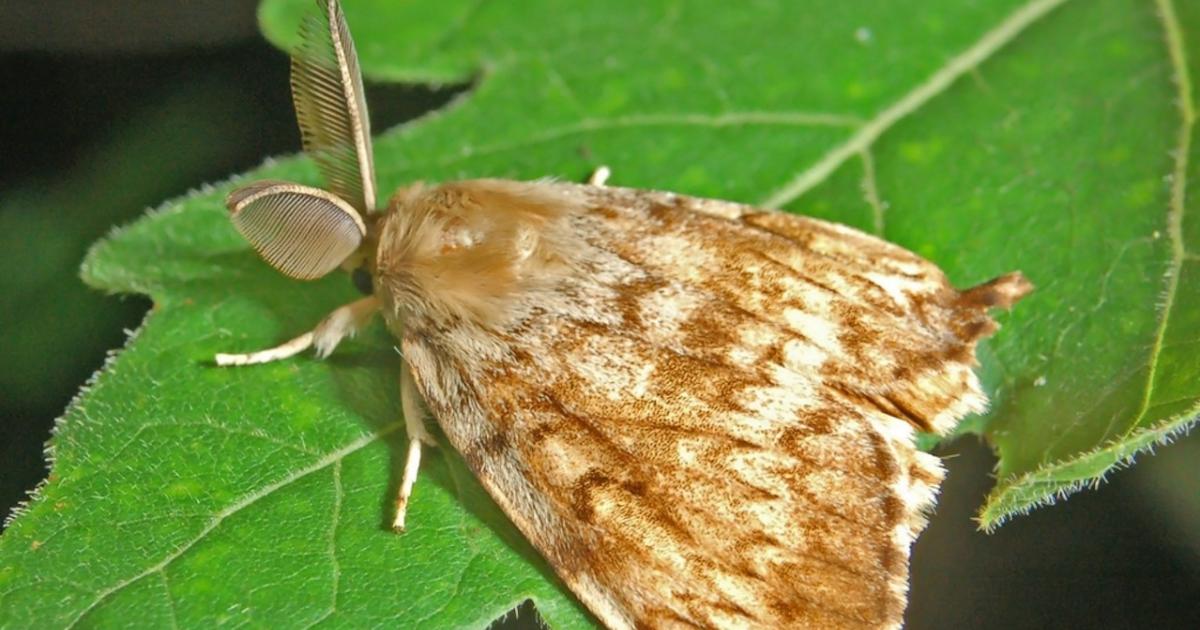
The spongy moth (Lymantria dispar dispar), formerly known as the gypsy moth, poses a significant and persistent threat to North American forest ecosystems due to its tendency to hitchhike on international cargo. According to the Canadian Food Inspection Agency (CFIA), this invasive insect is capable of defoliating millions of hectares of trees, with egg masses often transported inadvertently on the hulls and shipping containers of merchant vessels arriving from infested regions.
While the egg masses—typically beige, fuzzy, and roughly the size of a thumb—may appear innocuous, they represent a high-risk vector for the introduction of the species into new environments. As noted by the United States Department of Agriculture (USDA) Animal and Plant Health Inspection Service (APHIS), the spongy moth is a serious defoliator that feeds on over 300 species of trees and shrubs, including oak, maple, and birch. The ability of the female moth to lay eggs on nearly any solid surface, including the exterior of ships, complicates international efforts to halt its spread.
How International Shipping Facilitates Spongy Moth Spread
The global nature of maritime trade provides a primary pathway for the spongy moth to bypass natural geographical barriers. When ships dock in ports located within infested areas during the moths’ flight season—typically mid-summer—females are attracted to the artificial lights of the vessels. They deposit their egg masses on ship superstructures, masts, and cargo containers. If these vessels are not inspected or cleaned before departing for non-infested ports, the eggs can hatch upon arrival, initiating a new population cycle in a foreign ecosystem.
The North American Plant Protection Organization (NAPPO) maintains strict guidelines for the inspection and certification of vessels arriving from countries known to have spongy moth populations. These protocols require that ships be free of egg masses before they are permitted to enter North American waters. Despite these regulations, the sheer volume of global maritime traffic means that detection remains a significant challenge for port authorities and environmental monitoring agencies.
The Ecological Impact of Defoliation
The damage caused by the spongy moth is primarily the result of the larvae’s voracious appetite. During an outbreak, caterpillars can strip trees of their entire canopy in a matter of weeks. While many healthy, mature trees can survive a single year of defoliation, repeated attacks over consecutive seasons can cause significant stress, leaving trees vulnerable to secondary pests and diseases, or leading to outright mortality.

According to data from the USDA Forest Service, the economic and environmental costs of these outbreaks are substantial. The loss of forest canopy alters local microclimates, affects wildlife habitats, and reduces the aesthetic and recreational value of forested areas. In urban settings, the presence of millions of caterpillars can also create significant nuisances, including the accumulation of frass (caterpillar waste) and the development of rashes in sensitive individuals who come into contact with the larvae’s hairs.
Monitoring and Containment Strategies
To combat the spread of the spongy moth, authorities rely on a combination of surveillance, education, and regulatory enforcement. This includes the use of pheromone-baited traps to monitor adult male moth populations, which provides an early warning system for new infestations. When localized outbreaks are identified, management strategies may include the application of biological insecticides, such as Bacillus thuringiensis kurstaki (Btk), which targets the larvae without significantly harming other wildlife or human health, as outlined by the Government of Canada.
Public awareness plays a critical role in containment, particularly in areas near ports of entry or transport corridors. Residents are encouraged to inspect outdoor items—such as patio furniture, firewood, and vehicles—that have been stored outside during the summer months. Identifying and scraping off egg masses before they hatch in the spring is considered one of the most effective ways for individuals to limit the local spread of the species.
Looking ahead, the international community continues to refine its maritime inspection standards to address the evolving patterns of global trade. The next major review of international phytosanitary measures, which governs how countries coordinate on invasive species management, is conducted periodically through the International Plant Protection Convention (IPPC). For those interested in tracking current infestation levels or reporting sightings, official updates are available through state and provincial forestry departments or national agricultural agencies.
Have you observed signs of spongy moth activity in your area? Share your findings with local agricultural extension offices to assist in ongoing regional monitoring efforts.