
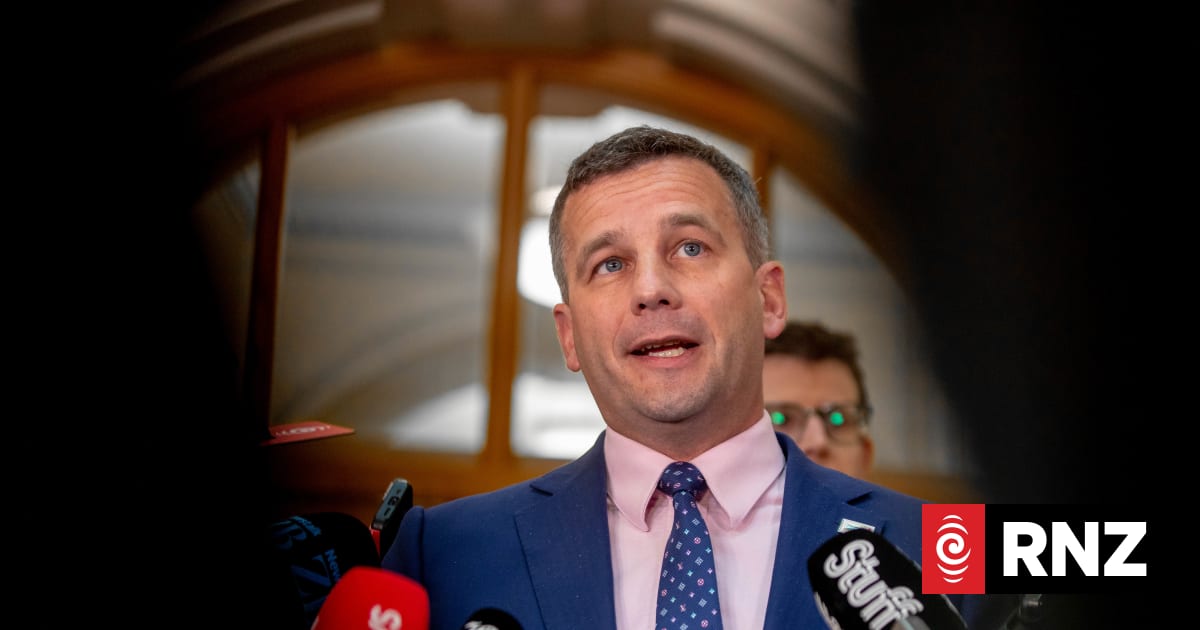
New Zealand Deputy Prime Minister and Minister of Education David Seymour has challenged the credibility of the Auditor-General following a report that raised concerns regarding the management and effectiveness of the government’s school lunch programme. Seymour argued that the findings do not adequately reflect the fiscal reforms currently being implemented to ensure the programme’s long-term sustainability.
The dispute centers on the “Ka Ora, Ka Ako” Healthy School Lunches programme, a significant social initiative that has become a focal point for the current coalition government’s efforts to streamline public spending. While the Office of the Auditor-General (OAG) highlighted potential issues in the programme’s administration and its ability to meet its intended outcomes, Seymour has suggested that the audit’s conclusions may lack the necessary context regarding the government’s transition toward a more targeted delivery model.
Why is David Seymour contesting the Auditor-General’s report?
David Seymour’s criticism of the Auditor-General stems from what he perceives as a misalignment between the audit’s findings and the practical realities of the government’s current policy shifts. As the Minister of Education, Seymour is overseeing the restructuring of the school lunch initiative, moving away from the broader implementation seen under the previous Labour administration toward a model that prioritizes students in greatest need.
According to statements from the Ministry of Education and recent parliamentary discussions, the current administration is focused on increasing efficiency and reducing the “per-meal” cost to the taxpayer. Seymour has suggested that the Auditor-General’s assessment focuses heavily on the legacy framework of the programme rather than accounting for the corrective measures the coalition government is taking to address previous inefficiencies. He has characterized the critique as failing to recognize the necessity of these fiscal adjustments.
The tension highlights a broader ideological divide in New Zealand politics regarding the role of independent oversight in social spending. While the Auditor-General is tasked with ensuring that public funds are used effectively and transparently, the Ministry of Education maintains that rapid policy changes are required to stabilize the education budget.
What did the Auditor-General find regarding the school lunch programme?
The Office of the Auditor-General, an independent body responsible for auditing public entities in New Zealand, released findings that scrutinize the operational aspects of the Ka Ora, Ka Ako programme. The report focused on how the programme was managed, the processes used to select participating schools, and the overall value for money achieved through the initiative.
Key areas of concern identified in the audit include:
- Administrative Consistency: The OAG noted variations in how different school regions managed the procurement and distribution of meals.
- Outcome Measurement: The report suggested that the metrics used to determine the programme’s success—such as nutritional impact and student wellbeing—were not always consistently applied or recorded.
- Fiscal Oversight: The audit raised questions about the cost-effectiveness of the previous delivery models, particularly concerning the complexity of the supply chains involved in reaching diverse school populations.
The Auditor-General’s role is to provide an objective view of whether government agencies are meeting their statutory obligations and using resources efficiently. In this instance, the OAG’s findings served as a formal critique of the administrative groundwork laid by the previous government, which the current administration is now tasked with reforming.
How does the current government plan to reform school lunches?
The coalition government, comprised of the National, ACT, and New Zealand First parties, has signaled a clear intent to reform social welfare programmes to reduce government debt. For the school lunch programme, this means a shift from a semi-universal approach to a highly targeted one.
Under the new direction, the Ministry of Education is reviewing the criteria for school participation. The goal is to ensure that the highest level of support is directed toward students in low-decile schools or those facing significant socio-economic barriers. This shift is intended to maintain the programme’s core mission—addressing food insecurity—while significantly reducing the total expenditure required from the Crown.
This policy change is part of a wider suite of education reforms aimed at prioritizing core classroom learning and teacher support. By tightening the eligibility requirements for the lunch programme, the government intends to reallocate funds toward other critical areas of the education sector that have faced budget constraints.
Comparison of Audit Findings and Ministerial Response
The following table contrasts the specific concerns raised by the Office of the Auditor-General with the stance taken by Minister David Seymour and the Ministry of Education.
| Issue Area | Auditor-General’s Concern | Ministerial/Government Response |
|---|---|---|
| Programme Delivery | Inconsistencies in regional administration and procurement. | The government is centralizing oversight to ensure uniformity. |
| Fiscal Management | Questions regarding the long-term cost-effectiveness of the model. | Current reforms are specifically designed to improve cost-efficiency. |
| Targeting of Funds | Potential for resources to be spread too thin across many schools. | The shift to a targeted model will focus spending on the highest-need students. |
| Evaluation Metrics | Lack of standardized data to prove nutritional outcomes. | Newer, more streamlined reporting processes are being implemented. |
What are the implications for New Zealand students and schools?
The ongoing dispute between the Ministry of Education and the Auditor-General has direct implications for how schools receive and manage nutritional support. For schools currently participating in the Ka Ora, Ka Ako programme, the transition period may bring changes to how they order food, which vendors they use, and the frequency of meal deliveries.
If the government successfully implements its more targeted model, some schools that currently receive support may find themselves ineligible under the new criteria. This has led to concerns among some educators and community advocates about the potential for “coverage gaps,” where students who fall just above the new eligibility threshold may lose access to essential nutrition.
Conversely, supporters of the reform argue that the changes will make the programme more resilient. By reducing the overall cost, the government can ensure that the funds allocated to the most vulnerable students are more robust and less susceptible to future budget cuts. The success of this transition will depend on the Ministry’s ability to balance fiscal discipline with the fundamental goal of reducing hunger in the classroom.
The broader context of New Zealand’s fiscal policy
The clash over the school lunch report is not an isolated incident but reflects the current political climate in New Zealand. The coalition government has made “fiscal responsibility” a cornerstone of its mandate, frequently clashing with independent bodies and previous policy frameworks that it deems unsustainable.

This tension is visible across several sectors, including health and housing, where the government is attempting to move from broad social spending to more precise, data-driven interventions. The Auditor-General’s reports often serve as the catalyst for these debates, providing the empirical basis for either defending existing programs or justifying their overhaul.
For international observers and investors, the way the New Zealand government handles these disputes with independent oversight bodies is a key indicator of the country’s commitment to institutional stability and the rule of law. The ability of the government to reform programs while respecting the findings of the OAG remains a critical test for the current administration.
The Ministry of Education is expected to provide further updates on the revised eligibility criteria and the implementation timeline for the reformed lunch programme in the coming months. Further details regarding the final budget allocations for the next fiscal year will be released during the upcoming parliamentary sessions.
What are your thoughts on the government’s approach to school nutrition? Should the programme be more universal or strictly targeted? Let us know in the comments below and share this article with your network.