
Saudi Arabia’s Interior Ministry has executed two foreign nationals convicted of drug trafficking in Medina, marking the first such executions in the kingdom this year for narcotics-related offenses. The executions follow a court ruling against the individuals, who were identified as foreign nationals involved in a case of cocaine smuggling and distribution in the holy city, according to verified official statements.
The Saudi authorities confirmed the executions in a statement released through the Saudi Press Agency (SPA), the kingdom’s official news outlet. The statement did not disclose the specific nationalities of the executed individuals but noted they were foreign nationals. Separate reports from Al Riyadh newspaper and Okaz identified them as one Egyptian and one Sudanese citizen, though these details have not been independently confirmed by official sources.
The case stems from a 2022 investigation into a drug trafficking network operating in Medina, where authorities seized significant quantities of cocaine and amphetamines. The two individuals were among several defendants prosecuted under Saudi Arabia’s strict anti-narcotics laws, which prescribe the death penalty for drug trafficking offenses involving large quantities or repeat offenders.
Background: Saudi Arabia’s Zero-Tolerance Drug Policy
Saudi Arabia’s legal framework categorizes drug trafficking as a serious criminal offense, with penalties ranging from lengthy prison sentences to the death penalty, particularly in cases involving large-scale operations or repeat offenders. The kingdom’s anti-narcotics laws, enforced by the Ministry of Interior, align with broader regional efforts to combat drug smuggling routes through the Arabian Peninsula.

According to the United Nations Office on Drugs and Crime (UNODC), Saudi Arabia has increasingly targeted drug trafficking networks in recent years, with seizures of cocaine and amphetamines rising along its borders. The Medina case, in particular, was notable for the scale of the operation, with authorities reporting the confiscation of multiple kilograms of cocaine and precursor chemicals used in amphetamine production.
Legal Process and Court Rulings
The executions were carried out following a final court ruling that upheld the death sentences against the two individuals. Saudi courts operate under a legal system that permits capital punishment for a range of offenses, including murder, terrorism, and drug trafficking involving quantities deemed significant by judicial standards.
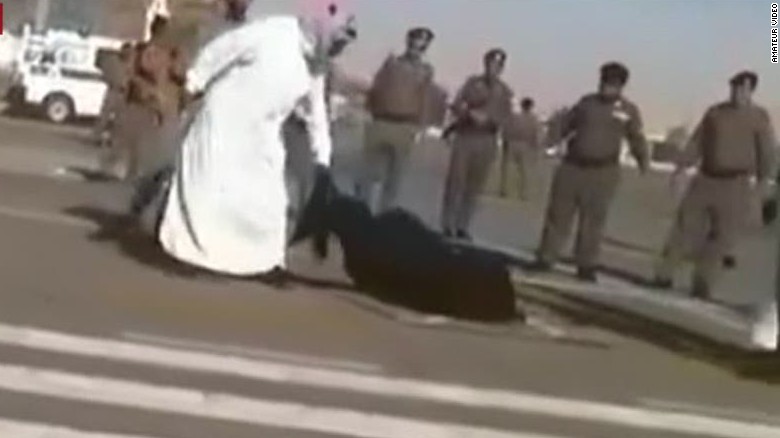
In a separate but related case, Saudi authorities also confirmed the execution of a Saudi national in 2023 for trafficking amphetamines, according to a Reuters report citing official sources. This case underscores the kingdom’s consistent application of its anti-drug laws, regardless of the defendant’s nationality.
International Reactions and Human Rights Concerns
While Saudi Arabia has not issued a formal statement on the executions beyond its official channels, human rights organizations have previously expressed concerns over the kingdom’s use of the death penalty, particularly in cases involving non-violent offenses. Amnesty International and Human Rights Watch have highlighted instances where defendants faced execution without adequate legal representation or due process, though specific details of this case remain under review.
The United Nations has repeatedly called for a moratorium on the death penalty, emphasizing the risk of irreversible miscarriages of justice. However, Saudi Arabia remains one of the world’s most active users of capital punishment, with executions carried out for a range of offenses, including drug-related crimes.
What Happens Next: Legal and Humanitarian Implications
With the executions now confirmed, the focus shifts to the broader implications for Saudi Arabia’s drug enforcement policies. Authorities are expected to continue targeting trafficking networks, particularly along the kingdom’s borders with Yemen and the Gulf states, where smuggling routes remain active.

For families of the executed individuals, the process of repatriation and closure will likely involve diplomatic coordination with their respective governments. The Saudi government has not yet issued guidance on how foreign nationals’ families can proceed with legal or humanitarian matters post-execution.
Legal experts suggest that the case may also influence future prosecutions under Saudi law, particularly as courts weigh the severity of penalties for drug offenses. The use of the death penalty in such cases remains a contentious issue, both domestically and internationally.
Key Takeaways
- Executions Confirmed: Saudi Arabia’s Interior Ministry executed two foreign nationals for drug trafficking in Medina, following court rulings.
- Nationalities Unverified: Reports identify the individuals as Egyptian and Sudanese, but official sources have not confirmed these details.
- Legal Framework: The case aligns with Saudi Arabia’s strict anti-narcotics laws, which permit the death penalty for large-scale trafficking.
- Broader Context: The executions reflect ongoing regional efforts to combat drug smuggling, with seizures increasing along Saudi borders.
- Human Rights Concerns: International organizations continue to monitor Saudi Arabia’s use of capital punishment, particularly in drug-related cases.
- Next Steps: Authorities are expected to maintain enforcement efforts, while families of the executed individuals may seek diplomatic support for repatriation.
For further updates on this case or Saudi Arabia’s drug enforcement policies, readers are encouraged to monitor official statements from the Saudi Press Agency and reports from high-authority news outlets such as Reuters and BBC News.
Your thoughts on this development? Share your perspective in the comments below or discuss further on our social media channels.
Worth a look