
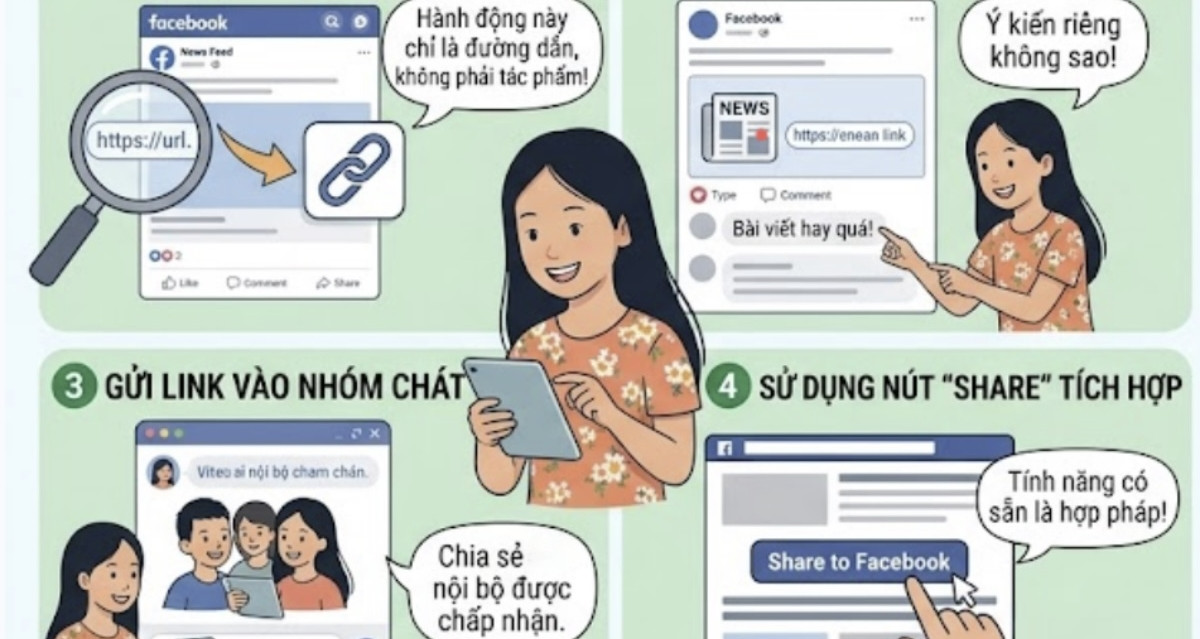
In Vietnam, the legal environment surrounding the digital sharing of news articles on social media platforms like Facebook has become a focal point for internet users concerned about administrative compliance. Understanding how to share content responsibly is essential for users to avoid unintentional legal risks while engaging with digital journalism.
Understanding Digital Content Regulations in Vietnam
The Vietnamese government enforces strict regulations regarding the publication and distribution of news online to ensure information security and social order. Individuals who post, share, or disseminate false information, distorted facts, or content that infringes upon the reputation of organizations or individuals may face significant financial penalties. These fines are tiered based on the nature and impact of the shared content.

It is important to distinguish between sharing a legitimate link from an authorized news outlet and creating original content that may violate broadcasting or press laws. The Ministry of Information and Communications (MIC) monitors digital activity to prevent the spread of misinformation. Users are encouraged to verify the authenticity of a source before sharing it, particularly when the content involves sensitive public matters or government policies.
Best Practices for Sharing News on Social Media
To mitigate the risk of administrative penalties, users should adopt proactive habits when interacting with news articles on Facebook and other social networks. The safest method for sharing news is to utilize the official “Share” button provided directly by the licensed news website. This ensures that the original context, headline, and source attribution remain intact, which protects the user from claims of disseminating altered or misleading information.

- Use Official Links: Always share links directly from the source’s official website or their verified social media page.
- Avoid Altering Headlines: Refrain from changing the title or adding commentary that could be interpreted as distorted or inflammatory.
- Verify the Source: Ensure the news outlet is licensed to operate in Vietnam by checking for a press license number or valid registration details commonly found in the footer of their website.
- Monitor Comments: Even if a shared link is legitimate, the personal comments added to the post can still be subject to review under current cybersecurity laws.
Maintaining transparency and accuracy is the primary defense against administrative sanctions. When sharing content in group chats or private messages, users should exercise the same level of caution as they would on a public timeline, as these spaces are also subject to digital monitoring protocols.
The distinction between a personal blog and a licensed news outlet is critical in the eyes of local regulators. Licensed media outlets in Vietnam operate under the Press Law, which requires them to adhere to strict ethical and accuracy standards. By sharing content from these verified entities, users align themselves with established journalism, which is far less likely to result in legal scrutiny compared to sharing unverified posts from anonymous social media accounts or non-accredited blogs.
For those interested in the latest updates on digital regulations, the Vietnam.vn portal serves as a central hub for official information and national news. Regularly consulting such platforms helps users distinguish between authorized reports and potential misinformation that could lead to unintended legal consequences.
Moving Forward with Digital Literacy
As the digital landscape evolves, the responsibility for verifying information increasingly falls on the user. Legal experts often emphasize that ignorance of the law is not a valid defense in administrative proceedings. By staying informed about the latest updates to the Law on Cybersecurity and related administrative decrees, citizens can participate in the digital economy and social discourse without the fear of heavy fines.

The next major update regarding digital media compliance is expected to be discussed in upcoming sessions of the National Assembly, where lawmakers frequently review the effectiveness of current penalties. For ongoing updates, users should monitor official announcements from the MIC website. If you have questions about specific content sharing, it is recommended to consult the official guidance provided by local authorities or legal professionals specializing in information technology law. We encourage readers to share their thoughts or experiences with digital safety in the comments below.