
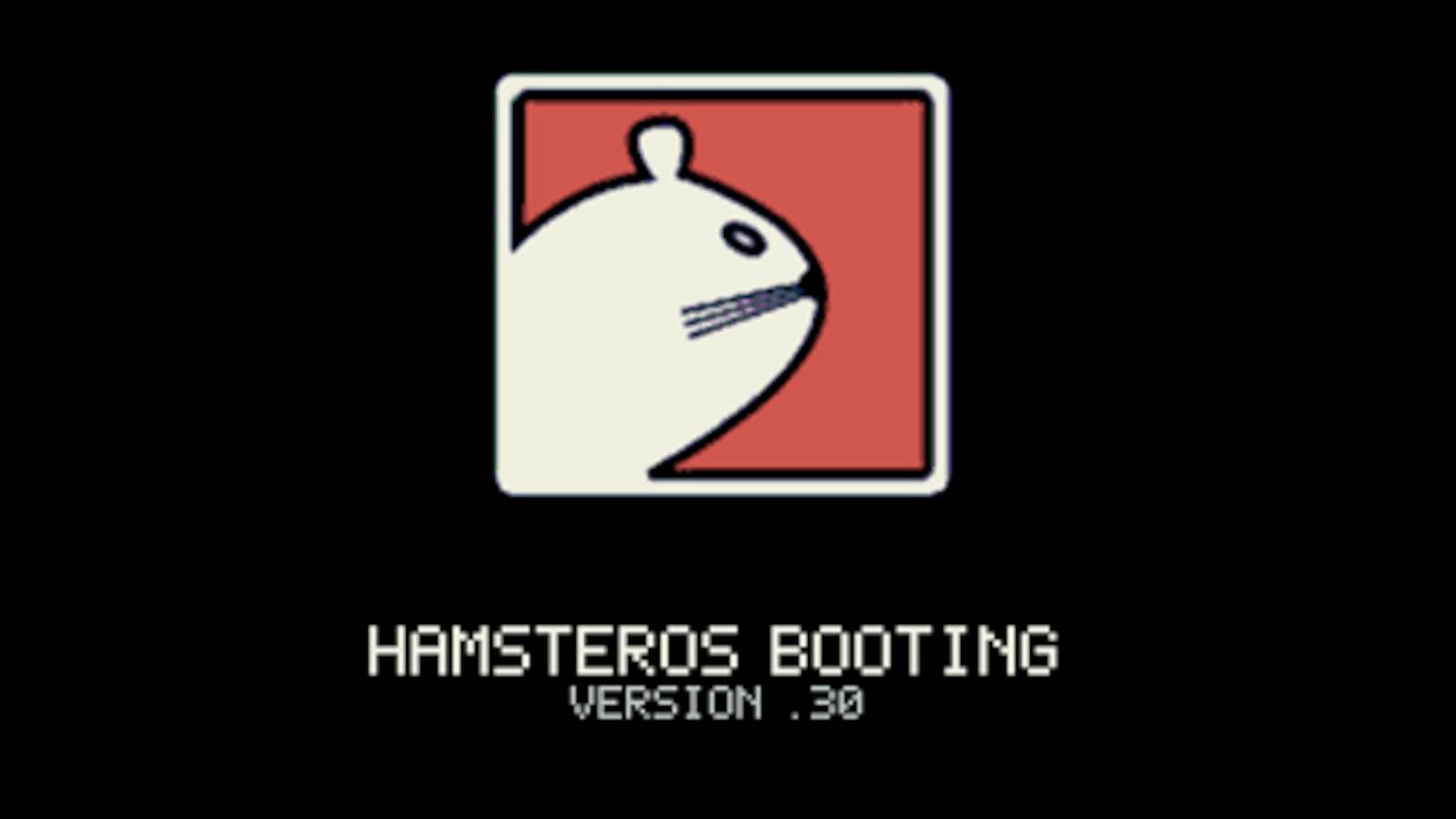
HamsterOS, a newly developed operating system capable of running a full graphical user interface (GUI) from a standard 1.44MB floppy disk, is scheduled for a public release in November. Designed to operate within the constraints of legacy storage media, the project demonstrates modern software optimization techniques applied to hardware that has been largely obsolete in consumer computing for over two decades.
The development of HamsterOS highlights an ongoing interest in “retro-computing” and extreme software minimization. While operating systems designed for floppy disks have existed for years—often used in embedded systems or as educational tools—HamsterOS distinguishes itself by providing a complete GUI experience within the rigid 1.44MB capacity limit. The project is expected to be accessible to hobbyists who retain functional floppy disk drives and media, offering a functional, albeit limited, computing environment that fits entirely on a single diskette.
The Technical Challenges of Floppy-Based Operating Systems
Developing an operating system for a 1.44MB floppy disk requires significant efficiency, as the medium is restricted by both capacity and slow data transfer rates. According to historical technical specifications from IBM, the 3.5-inch high-density floppy disk became a standard in the 1980s, but modern software typically requires gigabytes of space. To fit a GUI into such a small footprint, developers must employ highly compressed kernels and minimalist graphical libraries.
HamsterOS joins a lineage of “floppy-distro” projects that prioritize small codebases. These systems often bypass the resource-heavy overhead of modern desktop environments like GNOME or KDE, opting instead for custom-built window managers and assembly-language or C-based drivers. For users, the primary appeal lies in the ability to boot a functional machine without needing a hard drive or modern installation media, essentially turning a vintage computer into a self-contained, portable workstation.
Why Minimalist OS Projects Matter
Beyond the novelty, projects like HamsterOS serve as practical exercises in computer science and software engineering. By constraining the environment to 1.44MB, developers are forced to write lean, efficient code that maximizes every byte. This practice mirrors the development era of the early 1990s, where disk space was a primary constraint for software distribution. Understanding these limitations provides insight into the history of kernel development and memory management.

For enthusiasts, these projects also provide a way to maintain vintage hardware that might otherwise be relegated to electronic waste. By providing a modern, functional interface for older CPUs and limited RAM configurations, developers extend the utility of legacy machines. The Computer History Museum notes that preserving such software environments is essential for understanding how early personal computing evolved into the interconnected systems used globally today.
Accessibility and Hardware Requirements
While the operating system is slated for a November release, potential users should prepare their hardware accordingly. Compatibility depends heavily on the BIOS of the target machine, which must support booting from a floppy drive. Given the age of the medium, users should also be aware of the high failure rates associated with long-term storage of magnetic floppy disks, which can suffer from data rot or physical degradation.

To prepare for the launch, hobbyists are encouraged to verify that their floppy drives are properly aligned and that they have a supply of blank, high-density disks. As with many community-driven projects, documentation and installation instructions are expected to accompany the software release, providing the necessary steps to write the OS image to the disk using tools like dd or specialized disk-imaging software.
What Happens Next
The developer has indicated that the project will be available for public testing starting in November. Interested users can monitor community forums and retro-computing portals for the official download link and technical documentation. As the release date approaches, further details regarding the system’s specific hardware compatibility—such as minimum CPU speed and RAM requirements—are expected to be finalized and shared by the project maintainers.

We invite our readers to share their experiences with retro-computing projects in the comments section below. Have you successfully booted a modern GUI from legacy hardware, or do you have a collection of floppy disks waiting for a new purpose? Join the conversation and let us know your thoughts on the future of minimalist operating systems.