
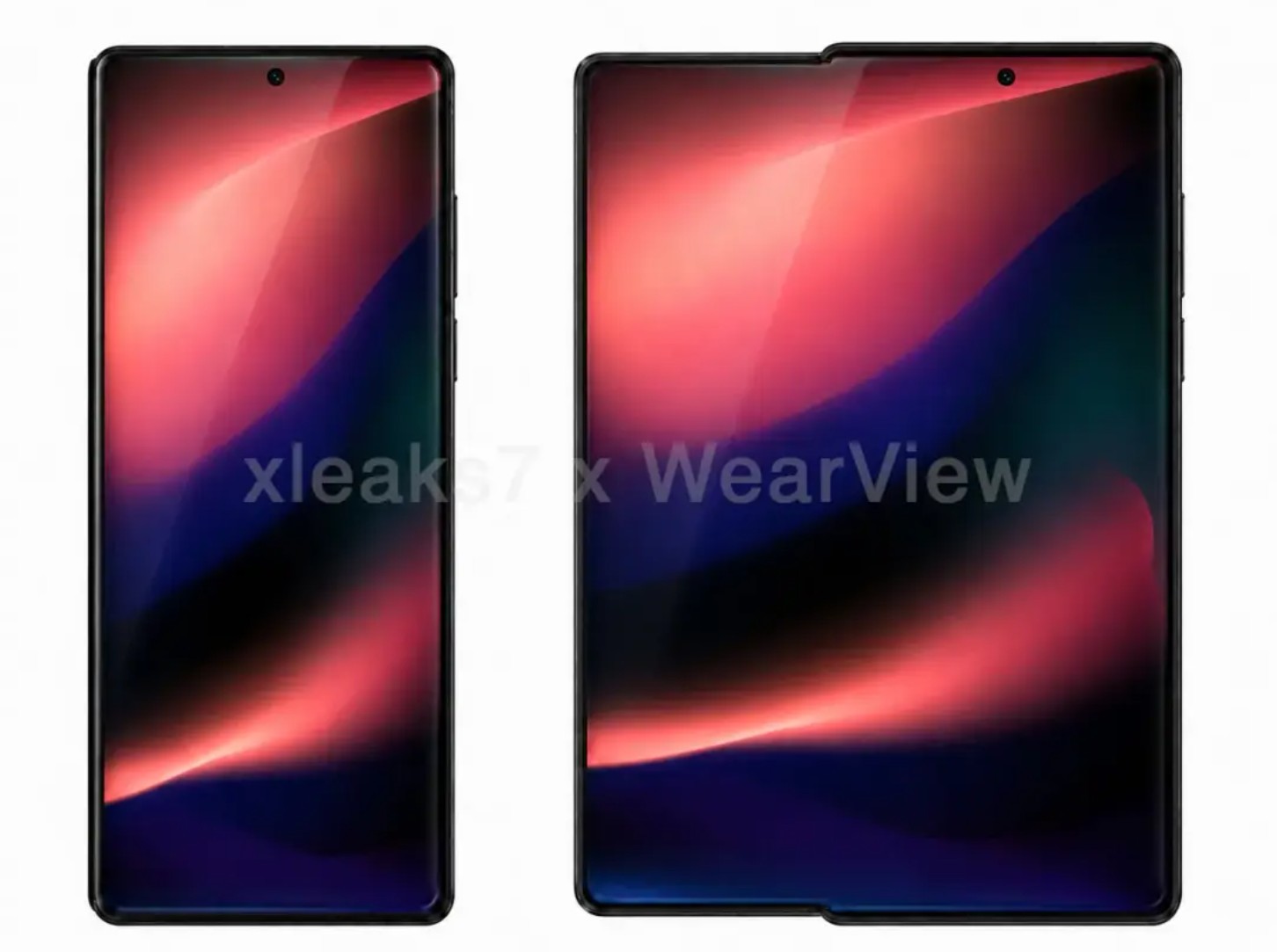
Samsung is developing rollable smartphone technology to follow its existing foldable Galaxy Z series, with industry reports and patent filings suggesting a potential market entry in the late 2028 timeframe. While the company has not officially announced a launch date for a rollable device, research into motorized display mechanisms indicates that Samsung is preparing for a transition from folding screens to expanding, slidable displays.
The shift toward rollable technology represents an attempt to solve the mechanical and aesthetic limitations currently found in foldable smartphones. Unlike the current Galaxy Z Fold and Z Flip models, which rely on a physical hinge to bend the screen, rollable devices use a motorized system to extend the display outward from a central body, potentially offering a larger screen without the permanent crease associated with folding panels.
What is Samsung’s rollable display technology?
Rollable display technology, often referred to as “slidable” or “enroulable” technology in European tech reports, utilizes a flexible OLED panel that can be retracted into a housing. Instead of a hinge that creates a fold point, these devices use a motor-driven mechanism to slide the screen across a curved surface inside the phone’s chassis.

Samsung Display, a subsidiary of Samsung Electronics, has previously demonstrated prototype rollable screens at international technology exhibitions. These prototypes showcase how a compact device can transform into a tablet-sized screen by unrolling the display. This process involves several complex layers, including a flexible substrate, a thin-film encapsulation layer to protect the organic materials, and a mechanical motor that controls the tension of the screen as it expands or contracts.
Recent patent filings by Samsung suggest that the company is focusing on minimizing the thickness of the rollable mechanism. These patents describe ways to integrate the motor and the rolling chamber into a device that remains slim enough for everyday pocket use. The goal is to create a seamless transition where the user can increase their screen real estate with a simple command or gesture, rather than unfolding a device that may have a visible seam.
How does a rollable screen differ from a foldable phone?
The primary distinction between the two technologies lies in the mechanical movement and the resulting screen integrity. While foldable phones have become more mainstream, they still face challenges regarding the “crease”—the visible indentation where the screen bends. Rollable technology aims to eliminate this issue entirely by keeping the display surface continuous and flat when fully extended.

A comparison of the two form factors highlights the different engineering priorities for each:
| Feature | Foldable Smartphones (Current) | Rollable/Slidable Smartphones (Future) |
|---|---|---|
| Mechanism | Physical hinge and folding panel | Motorized rolling or sliding mechanism |
| Screen Surface | Subject to a visible crease at the fold | Continuous, flat surface when extended |
| Form Factor Change | Changes thickness when unfolded | Changes width/length via expansion |
| Complexity | High (hinge durability and dust resistance) | Very High (motor precision and screen tension) |
While foldables allow a device to become much larger by essentially doubling the screen area, rollable devices offer a different kind of versatility. A rollable phone can start as a standard, narrow smartphone and expand into a wide-screen device, potentially providing a more natural transition for users who want a larger display for media consumption without the bulk of a traditional tablet.
When could Samsung release a rollable smartphone?
Current industry speculation, including reports from various technology outlets, points toward a potential release window in the late 2020s, with some projections specifically mentioning 2028. However, it is important to note that Samsung has not confirmed these timelines.
The delay between prototype demonstration and mass-market availability is typical for high-end mobile innovation. Samsung must overcome several significant hurdles before a rollable device is commercially viable:
- Durability of the Motor: The motorized mechanism must be able to withstand thousands of extension and retraction cycles without jamming or failing.
- Dust and Water Resistance: Current foldable phones like the Galaxy Z Fold series have achieved high IP (Ingress Protection) ratings. Integrating a moving, sliding part that opens the internal chassis presents a massive challenge for maintaining water and dust resistance.
- Battery Management: The space required for a motorized rolling chamber competes directly with the space needed for larger, longer-lasting batteries.
- Display Tension: Ensuring the OLED panel remains perfectly flat and does not wrinkle or lose tension during the rolling process is a critical engineering requirement.
The timeline of 2028 likely accounts for the time required to refine these mechanical components and to bring down the manufacturing costs of the specialized flexible OLED panels required for such a device.
Why does rollable technology matter for the mobile market?
The smartphone market has reached a period of relative maturity, where incremental updates to processors and camera sensors no longer drive significant consumer interest. For manufacturers like Samsung, finding a new “form factor” is essential to spark the next wave of hardware upgrades.

Rollable technology addresses a specific user demand: the desire for a device that is easy to carry but capable of providing an immersive, large-screen experience. As mobile productivity increases—with more users utilizing smartphones for multitasking, document editing, and high-fidelity gaming—the ability to expand a screen without the compromises of a folding hinge becomes increasingly valuable.
Furthermore, the development of rollable screens drives innovation in the wider display industry. The advancements made in flexible substrates and thin-film encapsulation for rollable phones can be applied to other sectors, such as automotive dashboards, wearable technology, and even foldable laptops. By leading in this space, Samsung aims to maintain its position as a dominant force in the global display supply chain.
The next major milestone to watch will be Samsung’s upcoming flagship announcements, where any subtle hints regarding “next-generation display technology” may provide more clarity on their long-term roadmap. While a rollable phone is not expected in the immediate release cycle, the progress in Samsung’s patent portfolio suggests the technology is moving from the theoretical stage toward practical application.
What are your thoughts on the transition from foldable to rollable screens? Would you trade a hinge for a motorized display? Let us know in the comments below and share this article with your tech-savvy friends.