
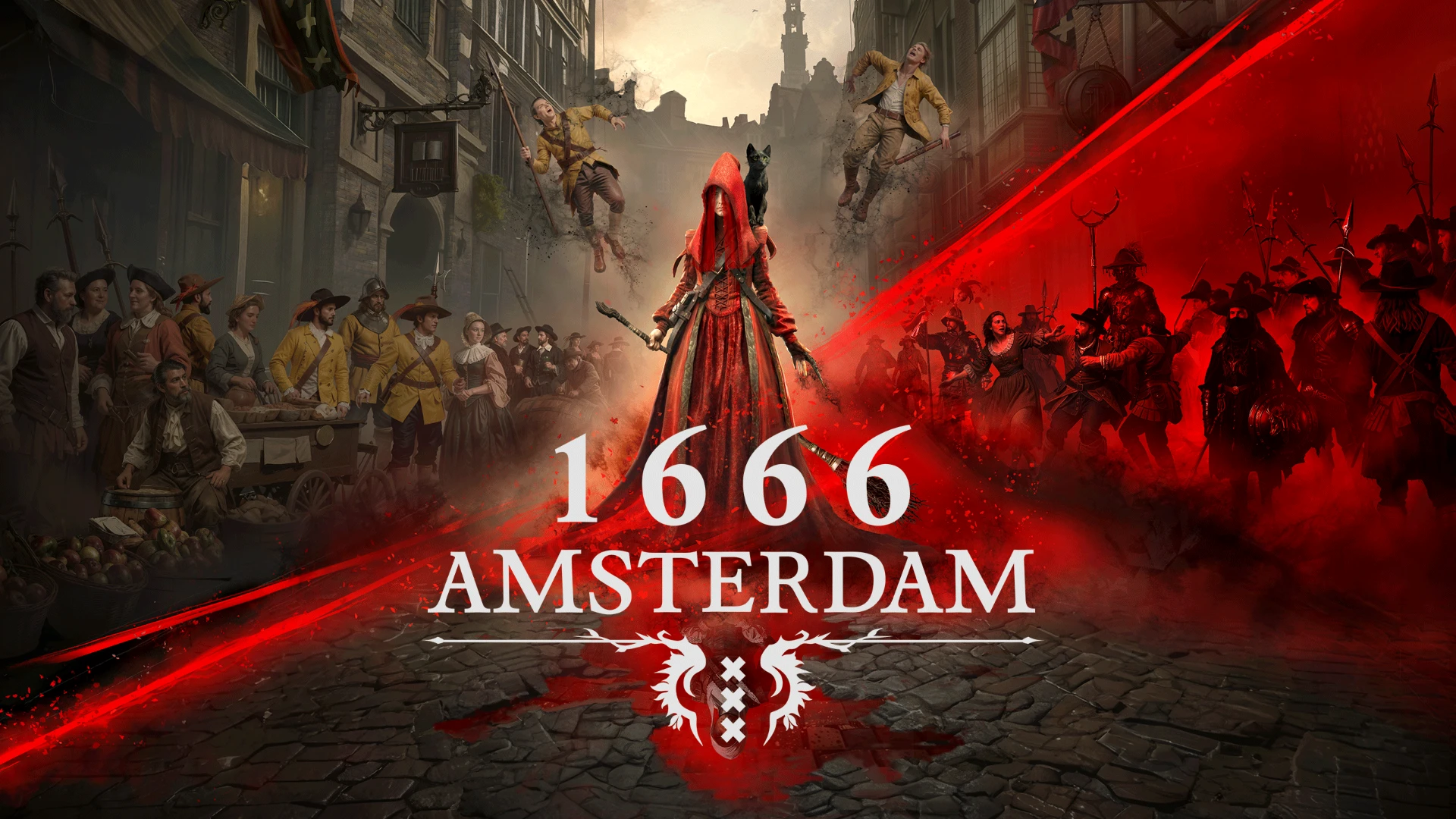
Patrice Désilets, the game designer known for his work on the Assassin’s Creed and Prince of Persia series, revealed that the project 1666: Amsterdam was originally intended to be published by Microsoft. The title, developed by Forge Studios, is a historical action-adventure game set in the 17th century that shifted publishers during its development cycle.
Désilets detailed the project’s origins and the transition in publishing partners during a recent industry discussion. According to the developer, the vision for 1666: Amsterdam involved a dense, atmospheric recreation of the Dutch capital during a period of intense social and political upheaval. The shift away from Microsoft reflects the volatile nature of high-budget “AAA” game development, where strategic pivots often lead to changes in funding and distribution.
The game focuses on a narrative centered around the “Year of the Fire,” blending historical accuracy with supernatural elements. While Microsoft was the initial partner, the project is now moving forward under a different structure, aiming to deliver a level of urban detail and systemic interaction that Désilets believes pushes the boundaries of the open-world genre.
How 1666: Amsterdam transitioned from Microsoft
The move from Microsoft was not a result of a single failure but a misalignment of project goals and publishing timelines. According to Désilets, the ambitious scope of the game required a specific type of support and creative freedom that evolved as the project matured. In the gaming industry, “publishing shifts” often occur when a developer seeks more autonomy or when a publisher’s internal portfolio priorities change.

Microsoft has historically invested in a wide array of first-party and second-party titles through Xbox Game Studios, but the scale of 1666: Amsterdam’s systemic complexity presented unique challenges. By moving away from the Microsoft umbrella, Forge Studios aimed to refine the game’s core mechanics—specifically the interaction between the player and the living city of Amsterdam—without the constraints of a corporate publishing roadmap.
This transition mirrors patterns seen in other high-profile titles where creative leads, like Désilets, prioritize the “auteur” vision over the standardized release cycles typical of major platform holders. The project continues to leverage the technical foundations laid during its early stages, though the funding and marketing strategies have been overhauled.
What is the gameplay vision for 1666: Amsterdam?
Patrice Désilets has described 1666: Amsterdam as more than a standard historical simulation. The game utilizes a “systemic” approach to world-building, meaning the environment reacts to player actions through complex, interlocking rules rather than scripted events. This design philosophy is a hallmark of Désilets’ career, which includes the foundational work on the Ubisoft hit Assassin’s Creed, where the city itself serves as a primary character.

The setting of 1666 Amsterdam provides a backdrop of wealth, plague, and religious tension. Players are expected to navigate a city that is both a hub of global trade and a place of deep instability. The “Year of the Fire” serves as a narrative catalyst, forcing the player to interact with a population that is actively reacting to disaster and social collapse in real-time.
Key elements of the gameplay include:
- Dynamic Urban Environments: A city that evolves based on the timeline of the 17th century.
- Systemic Interaction: Mechanics that allow players to manipulate the environment and NPC behavior.
- Historical Fusion: A blend of documented events from the Dutch Golden Age with fictional, supernatural plot threads.
Who is Patrice Désilets and why does this project matter?
The industry is tracking 1666: Amsterdam largely because of the pedigree of its creator. Patrice Désilets is credited as one of the primary architects of the modern open-world stealth-action genre. His work on the original Assassin’s Creed established the “social stealth” and parkour mechanics that have since been adopted by dozens of other franchises.
After leaving Ubisoft, Désilets founded Forge Studios to create games that prioritize “emergent gameplay”—situations where the game’s systems allow for solutions the developers didn’t explicitly program. 1666: Amsterdam is the flagship project for this philosophy. If successful, it could signal a shift away from “checklist-style” open worlds toward more organic, simulation-driven experiences.

The fact that a project of this ambition once had Microsoft’s backing underscores the perceived potential of the IP. Even without the initial Microsoft partnership, the project remains a significant point of interest for those following the evolution of narrative-driven action games.
Further updates regarding the official release date and the current publishing status of 1666: Amsterdam are expected as Forge Studios moves closer to a playable build. Those interested in the project’s progress should monitor official developer channels for upcoming gameplay reveals.
Do you think the “auteur” approach to game design works better without the backing of giants like Microsoft? Share your thoughts in the comments below.