
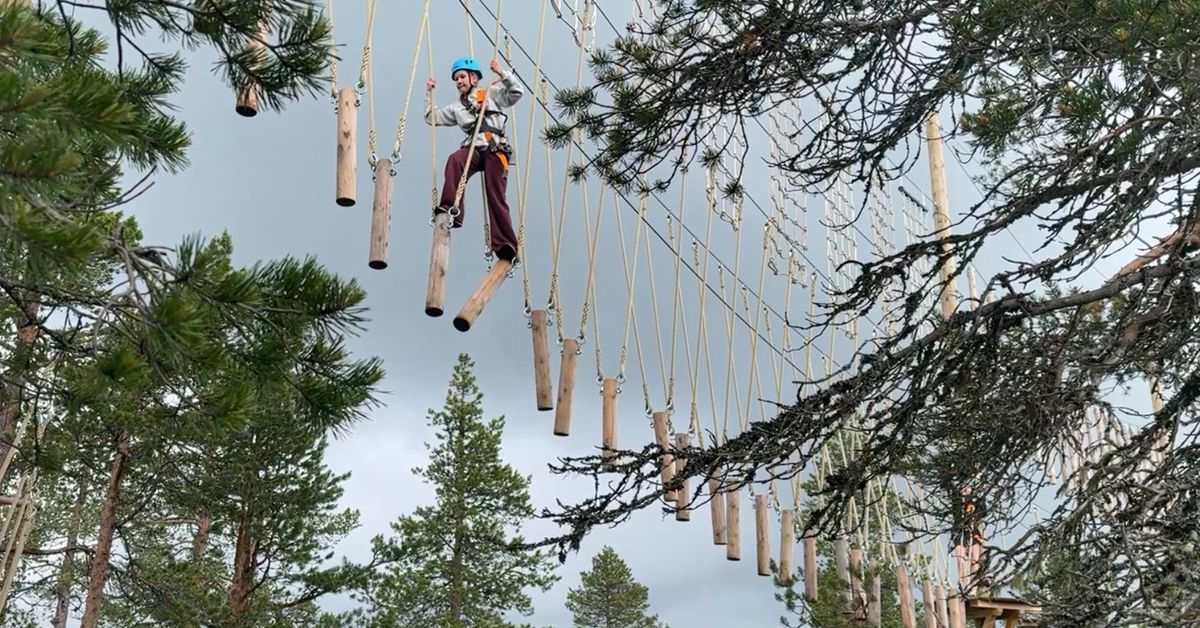
Finnish ski resorts are increasingly diversifying their operations to maintain revenue during the summer months, with Ruka-Kuusamo recently expanding its offerings to include new climbing park facilities on the fell top. This shift reflects a broader trend across the Finnish tourism industry, where approximately half of the nation’s ski centers have pivoted to year-round operations to capture growing demand for domestic summer travel, according to industry data from the Finnish Ski Area Association (SHKY).
The development at Ruka represents a strategic investment aimed at attracting hikers, families, and adventure seekers to the fell during the snow-free season. By transforming traditional winter infrastructure—such as chairlifts and mountain slopes—into summer recreational hubs, resorts are attempting to mitigate the financial risks associated with fluctuating winter weather patterns. This diversification strategy is essential for sustaining local economies that have historically relied solely on the winter sports season.
Strategic Shift Toward Year-Round Tourism
The move toward summer activities is not merely an aesthetic change but a fundamental business model adjustment for many Finnish resorts. As climate variability impacts the length and reliability of the winter season, ski center operators are under pressure to maximize the utilization of their existing assets. According to reports from the Finnish Ministry of Economic Affairs and Employment, the tourism sector has seen a sustained interest in “active holidays,” where visitors prioritize outdoor physical activities over traditional sightseeing.

At Ruka, the addition of climbing parks and other aerial adventure courses allows the resort to monetize the high-altitude terrain that sits idle once the snow melts. These facilities require significant upfront capital expenditure but provide a recurring revenue stream that is decoupled from snowfall totals. Similar developments have been observed in other major Finnish ski destinations, including Levi and Ylläs, where mountain biking trails, summer sledding tracks, and disc golf courses have become standard offerings.
Market Competition and Regional Impact
Competition for the domestic summer traveler is intensifying as more resorts upgrade their infrastructure simultaneously. While the primary draw for these resorts remains the natural landscape of the Finnish fells, the quality and variety of man-made amenities now serve as the primary differentiator for tourists choosing between destinations. The Finnish Ski Area Association notes that the investment levels in these summer projects have reached record highs over the last five years, indicating a collective industry belief that year-round viability is the only path forward for long-term sustainability.

The impact of this transition extends beyond the resort operators. Local service providers, including hospitality businesses, equipment rental shops, and guided tour operators in the Kuusamo region, have reported a corresponding increase in summer bookings. This “multiplier effect” is a critical component of the regional development strategy, as it helps prevent the seasonal labor migration that has historically plagued mountain communities during the “off-season.”
Challenges and Future Outlook
Despite the growth in summer tourism, operators face significant challenges, including the maintenance of high-altitude equipment and the logistical difficulty of managing site safety in rugged terrain. Environmental regulations also play a substantial role; any development on fell tops must comply with strict land-use guidelines to protect sensitive alpine flora. According to the Finnish state-owned enterprise Metsähallitus, which manages state-owned land, sustainable development remains a prerequisite for any new recreational construction in these protected areas.
Looking ahead, the industry is expected to continue focusing on “niche” summer experiences. While mass-market attractions like climbing parks provide a baseline for revenue, resorts are increasingly experimenting with specialized events, such as mountain trail running competitions and wellness retreats, to target higher-spending demographics. The success of these initiatives will be evaluated in the upcoming annual industry report from the Finnish Ski Area Association, typically released in the autumn following the conclusion of the summer season.

For travelers planning visits to Finnish ski resorts, official updates regarding operational hours and safety guidelines for summer parks are available through the individual resort websites. As these centers continue to adapt to changing market conditions, the integration of summer and winter activities is likely to become a permanent fixture of the Finnish tourism landscape.
Readers are encouraged to share their experiences with summer mountain activities in the comments section below. Further updates on regional tourism statistics will be provided as official data becomes available.