
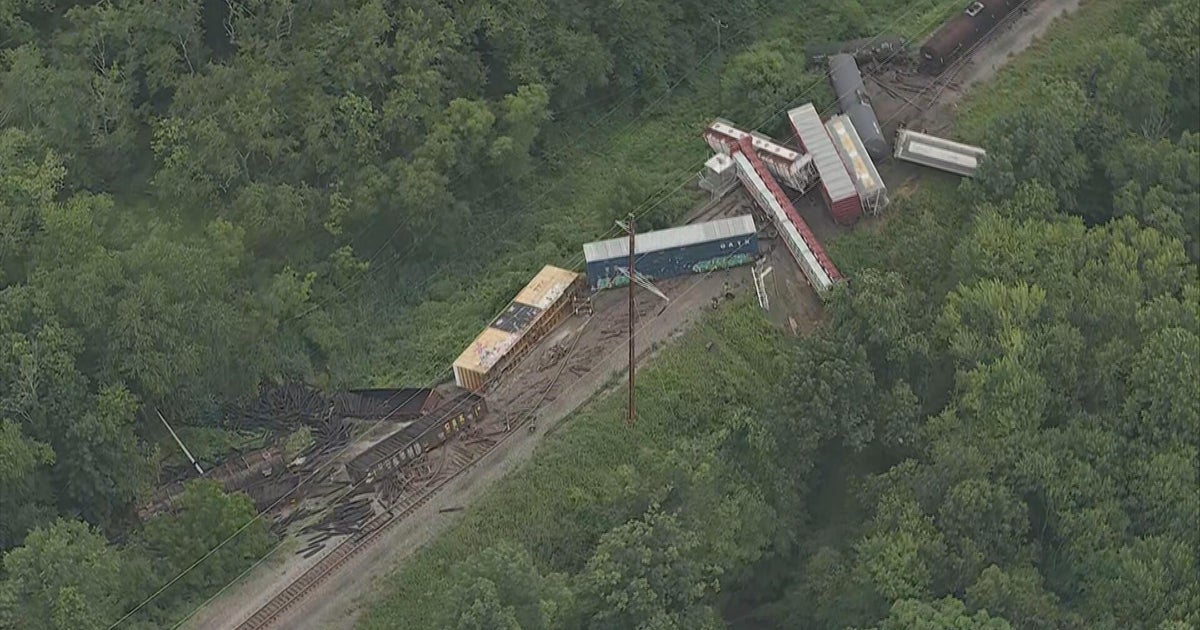
Authorities lifted evacuation and shelter-in-place orders in Feasterville, Pennsylvania, after confirming no hazardous materials leaked from a freight train derailment in Bensalem Township. Emergency crews responded to the scene where 16 freight cars left the tracks, prompting immediate safety precautions for nearby residents until air monitoring and site inspections cleared the area, according to reports from CBS News and 6abc Philadelphia.
The incident occurred in Bucks County, triggering a rapid response from local fire departments and police. Residents in the immediate vicinity were instructed to stay indoors and seal their homes as a precaution while officials identified the contents of the derailed cars. The shelter-in-place order remained in effect until hazmat teams verified that there was no threat to public health or the environment, as reported by NBC10 Philadelphia.
No injuries were reported in connection with the derailment. Once the “all clear” was given, officials allowed evacuated residents to return to their homes and lifted the restrictions on movement within the affected zone, according to Fox News.
How did the Bensalem train derailment unfold?
The derailment involved 16 freight cars that jumped the tracks in the Feasterville section of Bensalem Township. Due to the number of cars involved and the potential for chemical leaks, emergency management protocols required an immediate shelter-in-place order for the surrounding neighborhood. This measure is standard for rail incidents to prevent inhalation of potentially toxic fumes before the cargo is fully inventoried.

First responders and hazmat specialists conducted air quality tests and physical inspections of the breached or tilted cars. According to 6abc Philadelphia, these inspections confirmed that no hazardous materials were leaking from the containers. Following this verification, the emergency orders were rescinded.
What was the impact on the Feasterville community?
The primary impact on the community was the temporary displacement of residents and the restriction of movement. Local police and fire crews managed the perimeter to keep bystanders away from the wreckage while the site was secured. LevittownNow.com reported that the shelter-in-place order caused brief disruption for residents who had to remain inside until the danger was ruled out.

The derailment also caused significant disruptions to rail traffic in the region. While the residential orders were lifted quickly, the physical cleanup of 16 derailed cars typically requires heavy machinery and can obstruct rail lines for several days. The specific cause of the derailment has not yet been released by the rail operator or federal investigators.
Why are shelter-in-place orders used for train derailments?
Shelter-in-place orders are deployed when there is a suspected release of hazardous materials that could travel through the air. Rather than risking a mass evacuation through a potentially contaminated plume, officials instruct residents to stay inside, close all windows and doors, and turn off HVAC systems to create a barrier between themselves and the outside air.
In this instance, the order was a preemptive safety measure. According to NBC10 Philadelphia, the protocol ensures that residents are protected while the “manifest”—the list of materials being carried by the train—is cross-referenced with the damaged cars to identify any high-risk chemicals.

This incident follows a pattern of heightened scrutiny regarding rail safety in the United States, particularly following high-profile derailments in other states that resulted in significant chemical releases. The rapid lifting of the order in Feasterville indicates that the cargo in this specific derailment did not pose a similar chemical threat.
The next confirmed step in the process is the investigation by the National Transportation Safety Board (NTSB) or the Federal Railroad Administration (FRA) to determine the mechanical or systemic cause of the derailment. Official reports on the cause of the accident are typically released after the wreckage is cleared and the tracks are inspected.
Readers are encouraged to share this report and leave comments regarding local rail safety concerns below.