
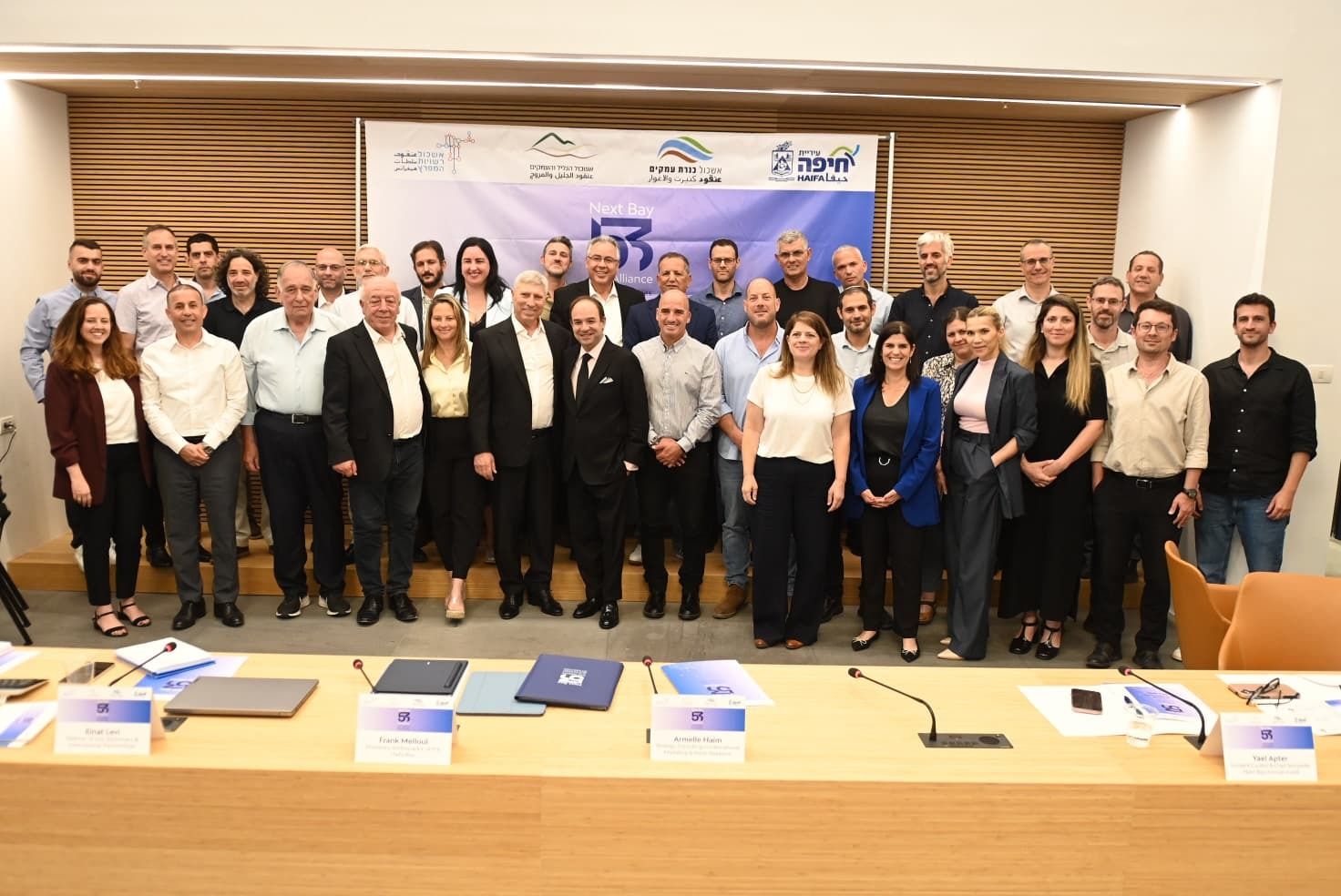
Fifty-three local authorities in northern Israel have formed a unified coalition aimed at driving regional economic development and infrastructure expansion. This collaborative initiative seeks to integrate the region into broader international trade frameworks, specifically targeting the potential economic benefits linked to the Abraham Accords and the proposed India-Middle East-Europe Economic Corridor (IMEC), according to reports from regional municipal representatives.
Strategic Integration and Regional Economic Development
The coalition, representing a diverse cross-section of northern municipalities, intends to leverage its collective size to attract foreign investment and streamline cross-border trade logistics. By aligning local industrial zones and agricultural output with the logistical goals of the IMEC—a project first announced during the 2023 G20 summit in New Delhi—the participating authorities hope to create a cohesive economic zone capable of participating in global supply chains, as noted in recent municipal planning documents. The India-Middle East-Europe Economic Corridor is designed to enhance connectivity through a network of rail and shipping routes, aimed at facilitating faster trade transit between Asia and Europe, per the official White House memorandum of understanding signed in September 2023.

For the northern Israeli municipalities involved, the primary objective is to transition from isolated local economies to a regional hub. This involves upgrading existing infrastructure to meet international standards, which supporters of the initiative suggest will make the region more attractive to partners in the Gulf states and beyond, under the framework of the Abraham Accords. The normalization agreements, initially brokered in 2020, have established a foundation for expanded commercial cooperation between Israel and several Arab nations, according to the U.S. Department of State.
Addressing Infrastructure and Logistics Challenges
The success of this 53-municipality alliance hinges on large-scale infrastructure projects that connect the Galilee and surrounding areas to major ports and international transit points. Local leaders have identified the need for improved rail connectivity and modernized port facilities as essential precursors to participating in the IMEC framework. The initiative focuses on creating a “unified voice” for the north, which officials argue has historically lacked the centralized coordination necessary to secure federal funding for major international-facing projects, according to local government briefings.
Critics and analysts have pointed out that the realization of such plans depends heavily on regional stability. While the economic vision is expansive, the current security environment in northern Israel remains a significant factor in investor confidence. Nevertheless, the participating authorities maintain that long-term economic planning must proceed despite immediate geopolitical volatility. The coalition is currently drafting a formal roadmap that outlines specific industrial sectors, such as agri-tech and renewable energy, which are intended to serve as the primary exports for the proposed trade corridors.
What Comes Next for the Northern Coalition
The next phase for the coalition involves formalizing the administrative framework of the alliance to allow for joint procurement and lobbying efforts at the national level. Following the initial announcement of the partnership, the municipalities are scheduled to engage in a series of roundtable discussions with government ministries to define the scope of state-level support required for their proposed infrastructure upgrades. These meetings are expected to take place throughout the coming fiscal quarter as the alliance seeks to align its local development goals with the national budget.
For stakeholders and residents interested in the progress of this initiative, official updates are expected to be published through the municipal portals of the participating cities and the relevant regional council websites. As the coalition moves toward its first phase of implementation, the focus will remain on securing the necessary regulatory approvals to transition from a conceptual alliance to an operational economic bloc. Readers are encouraged to monitor upcoming municipal council meeting minutes for details on specific project timelines and budgetary allocations.