
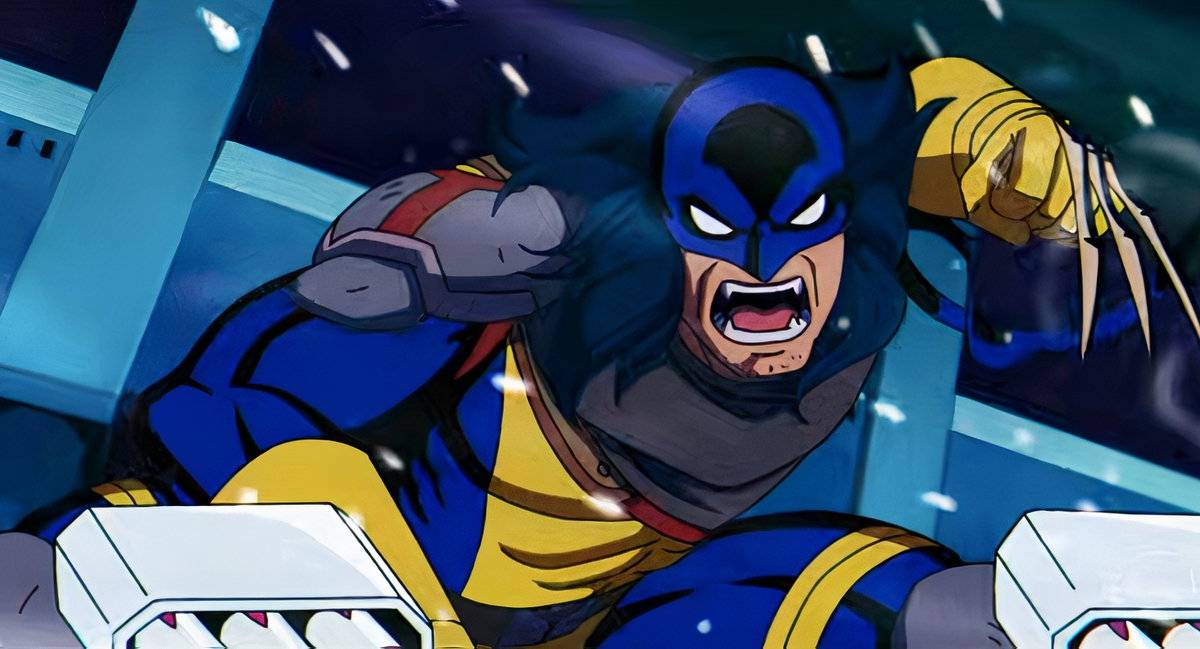
In the latest episodes of X-Men ‘97, viewers have noted a significant physical change for the mutant Wolverine: his signature adamantium claws are absent, replaced by his natural bone claws. This development occurs as the X-Men find themselves displaced across different points in history following the conclusion of the show’s first season, which left the team divided between Ancient Egypt and the 40th century. According to the official streaming availability on Disney+, this transition in Wolverine’s physiology is a central point of tension as the character faces combat in an unforgiving, apocalyptic future.
The shift from the indestructible metal alloy to bone marks a departure from the character’s status quo established throughout much of the 1990s animated series. While the bone claws remain a functional weapon, they lack the durability of adamantium, frequently breaking during encounters with advanced robotic adversaries. Despite this fragility, the series maintains that the claws possess regenerative capabilities, allowing them to regrow shortly after sustaining damage during high-stakes combat sequences.
Understanding the Shift in Wolverine’s Physiology
The portrayal of Wolverine, also known as Logan, without his metallic enhancement is a narrative choice that echoes specific arcs from Marvel Comics history. In the source material, particularly during the 1993 “Fatal Attractions” storyline, the character famously loses his adamantium bonding after Magneto rips the metal from his skeleton. While the animated series often adapts these iconic comic moments, the current iteration in X-Men ‘97 focuses on the immediate tactical disadvantage this change imposes on the team.

In the context of the show’s current timeline, the characters are forced to adapt to environments where their usual advantages—such as indestructible weaponry or advanced technology—are either stripped away or rendered ineffective. The bone claws serve as a visual shorthand for this vulnerability. Unlike the adamantium versions, which can withstand nearly any impact, the bone variants are susceptible to shattering when striking the heavy plating of the killer robots present in the futuristic setting. This shift forces the character to rely more heavily on his mutant healing factor and raw combat experience rather than the sheer offensive power of his metal-coated limbs.
Contextualizing the X-Men’s Current Timeline
The dispersal of the X-Men team remains the primary driver of the plot as the story progresses in the second season. Following the events of the season one finale, “Tolerance is Extinction – Part 3,” which aired in May 2024, the team was fractured by a temporal anomaly, as reported by Marvel’s official coverage of the series. This separation into distinct timelines—Ancient Egypt and the 40th century—creates a narrative environment where the traditional team dynamic is disrupted.

For fans tracking these developments, the change in Wolverine’s abilities is not merely a cosmetic choice but a consequence of the extreme conditions in which he finds himself. The 40th century, characterized by its desolate landscapes and hostile synthetic life, offers no resources for the maintenance or restoration of his classic look. Because the team is scattered, they cannot rely on the usual support systems that might otherwise help stabilize their situation, forcing each member to confront their own limitations.
Why the Bone Claws Matter for the Narrative
The decision to revisit the bone-claw status serves to ground the character in his biological reality. Throughout the original X-Men: The Animated Series, the adamantium claws were a reliable, constant tool. By removing them, the creative team behind X-Men ‘97 highlights the resilience of the character himself. The fact that the claws regenerate is a testament to the mutant’s healing factor, which remains his most potent attribute despite the loss of his metal skeleton.

This narrative arc also emphasizes the stakes of the current season. In many superhero stories, the protagonist’s power set is static, providing a sense of security for the audience. By introducing a physical limitation that directly affects how a character fights, the writers create genuine tension. When Wolverine engages in combat, the reader or viewer is no longer guaranteed a simple victory; instead, there is a visible risk that his weapons will fail, forcing him to adapt mid-battle. This vulnerability is a recurring theme in the show’s exploration of what it means to be a mutant in a world that is increasingly hostile to their existence.
Updates regarding the progression of the X-Men’s journey through time and the potential restoration of Wolverine’s adamantium will be provided as new episodes are released on Disney+. Fans are encouraged to share their theories on the team’s eventual reunion and the long-term implications of these physical changes in the comments below.