
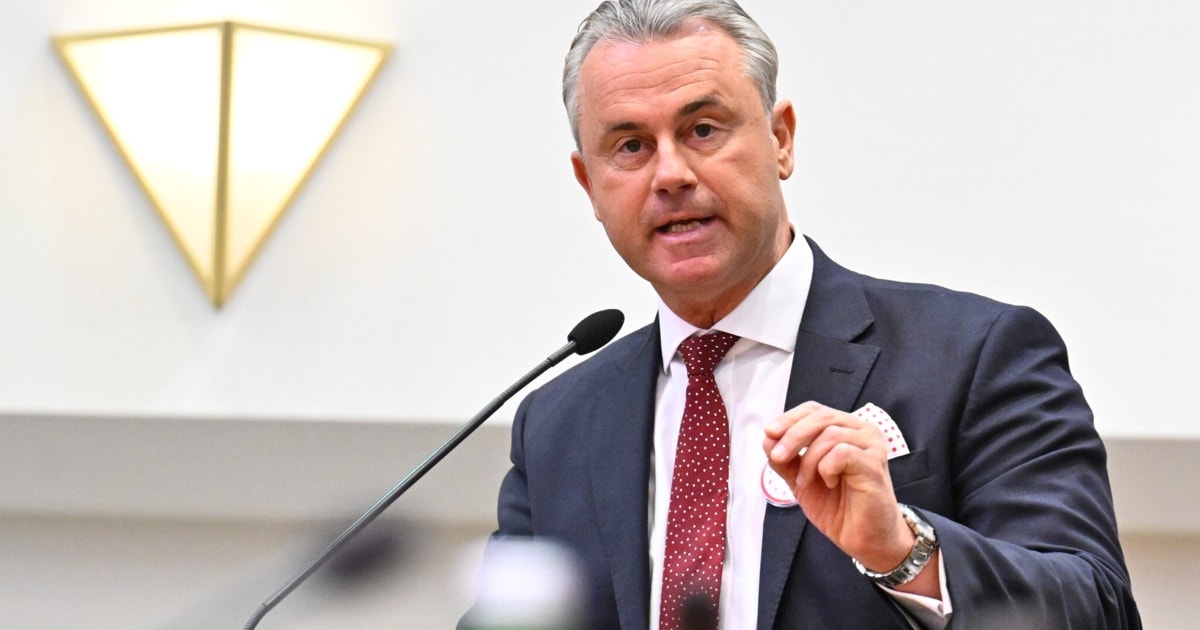
Norbert Hofer, a member of the Burgenland state parliament, has confirmed the loss of his driver’s license following a traffic stop involving alcohol consumption. The incident has prompted public scrutiny regarding the conduct of political figures and the legal consequences for driving under the influence in Austria.
Hofer publicly addressed the situation after media reports emerged concerning the incident. He acknowledged the lapse in judgment, stating, “Mir tut’s leid,” or “I am sorry,” while confirming that his license was confiscated by authorities. Despite the controversy, Hofer has maintained his position as a Landtag representative in Burgenland, with party leadership signaling no immediate plans for his resignation from his parliamentary duties.
Legal Framework and Traffic Regulations in Austria
In Austria, traffic laws regarding alcohol consumption are strictly enforced under the Road Traffic Act (Straßenverkehrsordnung). Drivers are subject to a blood alcohol concentration (BAC) limit of 0.5 grams per liter. When a driver is found to be in violation of these limits, the consequences are tiered based on the severity of the offense and the recorded alcohol level.
According to regulations outlined by the Austrian Federal Ministry for Climate Action, Environment, Energy, Mobility, Innovation and Technology, a first-time offense involving a BAC between 0.5 and 0.79 g/l typically results in an administrative fine. However, exceeding higher thresholds or being involved in an incident that compromises road safety leads to mandatory license suspension and potential enrollment in traffic psychology training programs. The duration of the license withdrawal is determined by local administrative authorities based on the specific circumstances of the case.
Political Repercussions and Public Discourse
The incident has triggered a broader debate in Austrian media regarding the intersection of personal conduct and political office. While Hofer remains an active member of the FPÖ, political analysts have noted that such events often test the boundaries of public accountability. Unlike some jurisdictions where a criminal charge might mandate an immediate resignation, the Austrian political landscape typically allows for individual representatives to remain in office unless a criminal conviction results in a prison sentence exceeding specific thresholds defined by the mandate eligibility rules.
The FPÖ has not issued a formal statement calling for Hofer’s withdrawal from the state parliament. This approach aligns with the party’s historical handling of internal disciplinary matters, where focus is often placed on the individual’s legislative record and continued utility to the party’s platform. Critics, however, have questioned whether the incident diminishes the moral authority required for public service, leading to widespread reporting across major Austrian news outlets about the necessity of separating private errors from public mandates.
Status of the Mandate and Next Steps
As of the most recent reports, Norbert Hofer continues to serve as a member of the Burgenland Landtag. The administrative process regarding his driving privileges remains under the jurisdiction of the relevant traffic authorities. Because this is an administrative matter rather than a criminal proceeding involving a felony, there is no immediate legal barrier to his continued service in parliament.

The case serves as a reminder of the strict administrative penalties for alcohol-related traffic offenses in Austria. Future updates regarding the restoration of his license or any further administrative penalties will be handled through the standard procedures of the police and traffic administrative offices. Interested readers can monitor official announcements from the Burgenland state parliament for any changes to committee assignments or legislative roles involving Hofer.
What are your thoughts on the standards of accountability for public officials regarding private conduct? Share your perspective in the comments section below.