
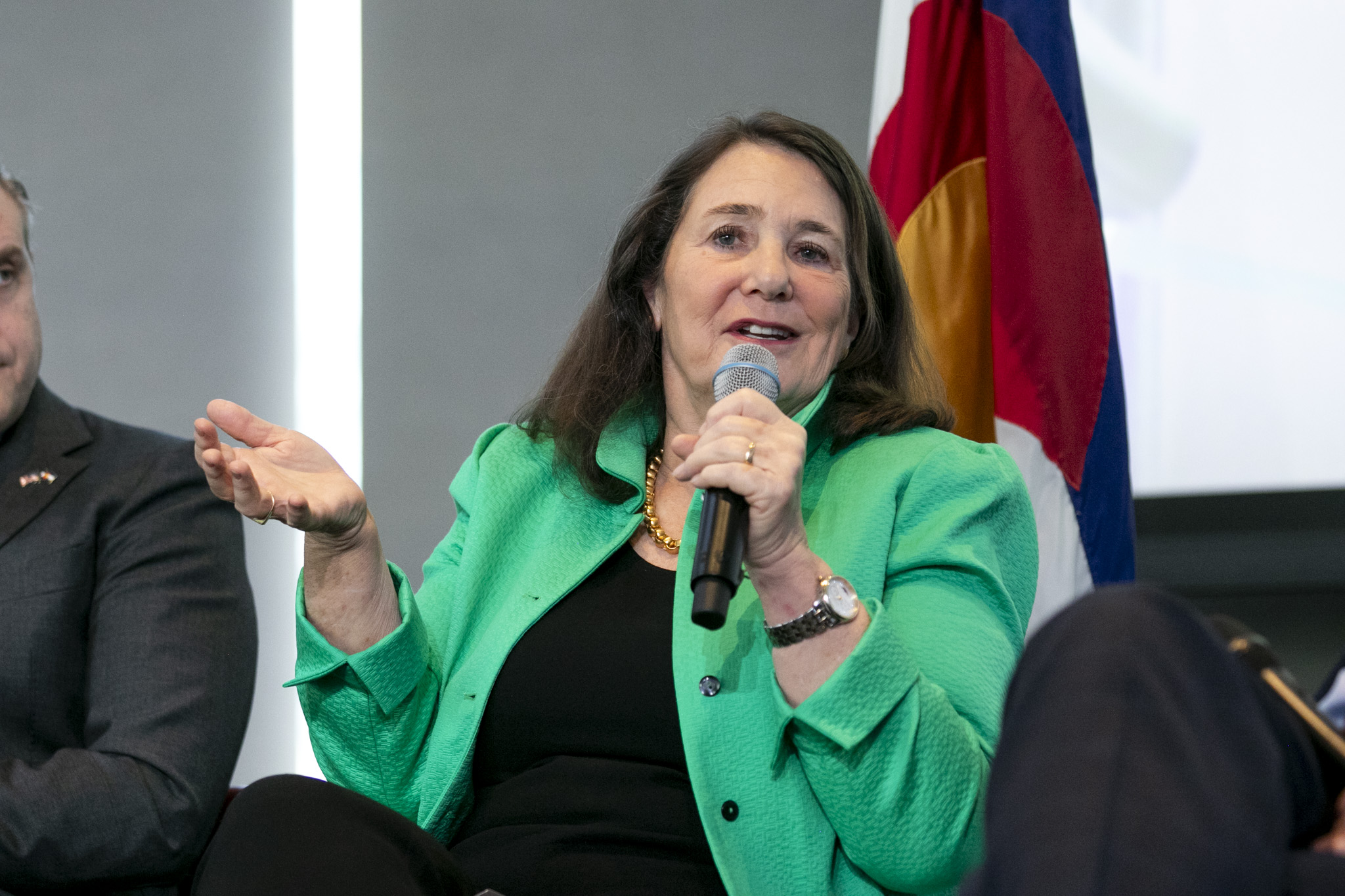
Democratic socialist challenger Melat Kiros has defeated 15-term incumbent Representative Diana DeGette in the Democratic primary for Colorado’s 1st Congressional District, according to preliminary results from the Colorado Secretary of State’s office. The upset, which marks a significant shift in Denver-area political representation, occurred during the June 25, 2024, primary election cycle, as reported by the Colorado Secretary of State’s official election portal.
Kiros, 29, campaigned on a platform emphasizing progressive economic policies, universal healthcare, and aggressive climate action, effectively mobilizing voters who sought a change in leadership after DeGette’s nearly three decades in office. DeGette, first elected in 1996, has served as a fixture of Colorado’s Democratic establishment, holding a senior position on the House Energy and Commerce Committee. The primary outcome reflects a broader trend within the Democratic Party, where younger, grassroots-aligned candidates are increasingly challenging long-standing incumbents on ideological grounds.
Shifting Voter Demographics in Denver
The 1st Congressional District, which encompasses the city and county of Denver, has historically been a safe Democratic stronghold. However, the primary results suggest a growing appetite for more radical policy shifts among the local electorate. According to The Denver Post, voter turnout in urban centers has been increasingly influenced by organizers prioritizing issues such as housing affordability and systemic reform, areas where Kiros focused her campaign messaging.

DeGette’s loss is notable given her extensive tenure and name recognition. Before this election, she had successfully defended her seat through numerous cycles, often facing minimal opposition in primary contests. The transition from a moderate, institutionalist approach to the democratic socialist platform represented by Kiros signals a potential evolution in the district’s political identity. Analysts suggest that the demographic composition of Denver, which has seen significant growth in younger, transient populations, played a decisive role in the outcome.
Policy Priorities and Campaign Platforms
The campaign centered on starkly different visions for the district. Kiros advocated for the “Green New Deal,” the implementation of a single-payer healthcare system, and the abolition of certain corporate lobbying practices. Her campaign emphasized that existing political structures were insufficient to address the urgent economic pressures facing Denver residents.
Conversely, DeGette’s campaign emphasized her legislative experience and her track record of securing federal funding for Colorado. During the campaign, DeGette highlighted her work on the 21st Century Cures Act, a piece of legislation signed into law in 2016 that aimed to accelerate medical product development, as noted by the Library of Congress. Despite these efforts, voters opted for a candidate promising a fundamental departure from the status quo.
What Happens Next in the 1st District
Following this primary victory, Kiros will move on to the general election in November. The 1st District remains heavily Democratic, meaning the winner of the primary is widely expected to secure the seat in the general election. The Colorado Republican Party has not yet signaled a path to reclaim the district, which has consistently voted for Democratic candidates by wide margins in presidential and congressional cycles, according to state election archives.

For the remainder of her term, DeGette is expected to continue her duties in the House of Representatives until the new Congress convenes in January 2025. Kiros’s transition team has not yet released specific details regarding her legislative priorities for her first 100 days, but supporters expect an immediate focus on the policy pillars established during her primary run. Voters seeking official documentation on the final, certified vote counts can monitor updates via the Colorado Secretary of State official website.
As the political landscape in Denver adjusts to this transition, observers will be watching to see how the Democratic caucus in the House responds to the arrival of another progressive voice. The shift underscores the ongoing tension between traditional party leadership and the insurgent wing of the party, a dynamic that continues to shape electoral outcomes across the United States.