
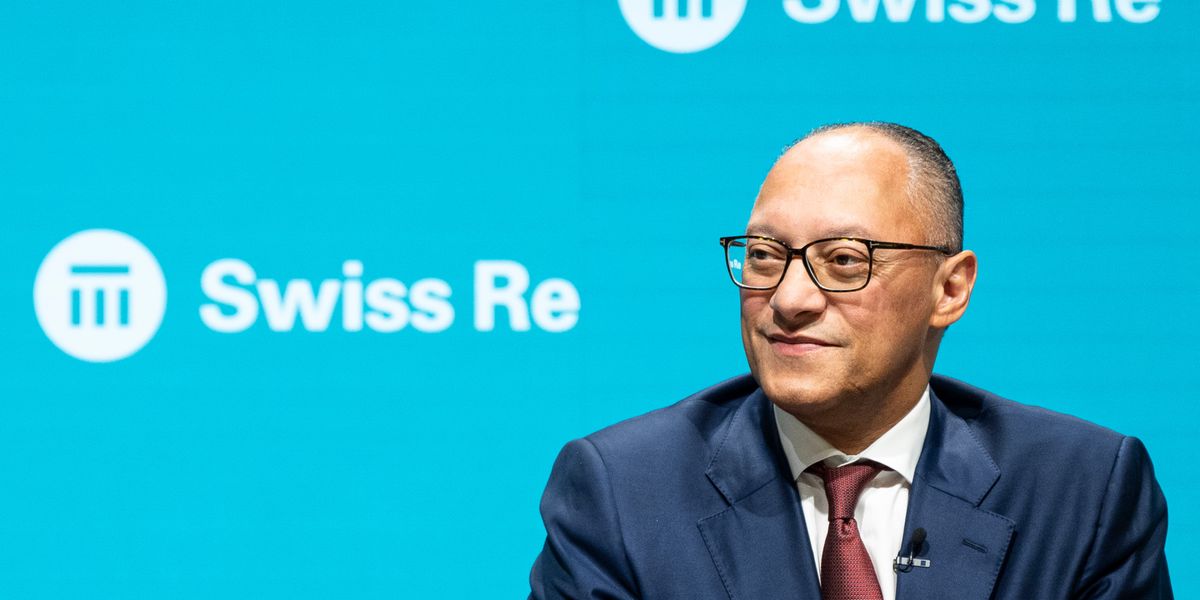
Swiss Re, one of the world’s largest reinsurance companies, is facing mounting pressure from environmental activists regarding its continued underwriting of liquefied natural gas (LNG) infrastructure projects. Campaigners argue that the firm’s involvement in these energy initiatives contradicts its stated commitment to achieving net-zero greenhouse gas emissions by 2050, putting CEO Andreas Berger in the spotlight as the company balances its fossil fuel portfolio with its climate sustainability targets.
The core of the dispute centers on the role of natural gas in the global energy transition. While Swiss Re has implemented policies to restrict underwriting for certain coal-related projects, activists from organizations such as Insure Our Future contend that the company’s support for LNG expansion locks in long-term reliance on fossil fuels. According to Swiss Re’s official sustainability disclosures, the company aims to transition its business model toward renewable energy and low-carbon technologies, yet it maintains that natural gas serves as a necessary “bridge fuel” for energy security in many markets.
Mounting Activist Pressure on CEO Andreas Berger
Andreas Berger, who took the helm as Group CEO of Swiss Re in July 2024, is navigating a complex landscape where institutional investors and non-governmental organizations (NGOs) are increasingly scrutinizing the insurance industry’s role in climate change. Activist groups have targeted the company’s annual general meetings and public engagements to demand a complete cessation of underwriting for new gas infrastructure, including pipelines and export terminals.
The campaigners argue that providing insurance coverage for these high-capital projects essentially enables them to proceed, thereby extending the lifespan of carbon-intensive assets. For the insurance sector, this presents a significant challenge: how to maintain underwriting profitability while adhering to the UN-convened Net-Zero Insurance Alliance (NZIA) standards, which encourage members to reduce the climate impact of their portfolios. While Swiss Re was a founding member of the NZIA, the alliance saw several high-profile departures in 2023, reflecting the legal and operational difficulties of aligning insurance underwriting with strict net-zero pathways.
The Debate Over LNG and Energy Security
The conflict highlights a fundamental disagreement regarding the trajectory of the global energy mix. Swiss Re has historically maintained that global energy security requires a diversified portfolio, especially in regions transitioning away from coal. By providing insurance for LNG—which burns cleaner than coal—the company asserts it is facilitating a pragmatic, albeit imperfect, shift in energy consumption.
However, climate researchers and environmental advocates point to data from the International Energy Agency (IEA), which suggests that the development of new long-term fossil fuel projects is incompatible with limiting global warming to 1.5 degrees Celsius. The tension for Swiss Re lies in its dual role: as a commercial entity seeking to manage risk for energy clients, and as a global leader in climate risk research. The company produces extensive reports on the economic impacts of climate change, often citing physical risks like floods and wildfires that threaten their own balance sheets, which critics argue makes the continued support for fossil fuel infrastructure a clear case of internal policy misalignment.
Regulatory and Financial Implications
The pressure on Swiss Re is not isolated; it reflects a broader trend of “climate litigation” and increased regulatory oversight across the European insurance market. Regulators in the European Union and Switzerland are increasingly requiring firms to disclose how they manage “transition risk”—the financial risk associated with the move to a low-carbon economy. For Swiss Re, this means that every policy written for an LNG terminal or pipeline is now subject to heightened internal review and public scrutiny.

Looking ahead, the next significant checkpoint for the company will be its upcoming annual report and the subsequent shareholder meeting. Investors will be looking for clarity on whether the firm will tighten its underwriting guidelines further to exclude new gas developments, or if it will maintain its current strategy of engagement and gradual transition. Interested parties can monitor the Swiss Re Investor Relations portal for updates on governance changes and the company’s evolving climate strategy. As the debate continues, the company’s ability to reconcile its commercial interests with its environmental pledges remains a critical focus for stakeholders worldwide.
If you have thoughts on the role of the insurance industry in the energy transition, please share them in the comments section below.