
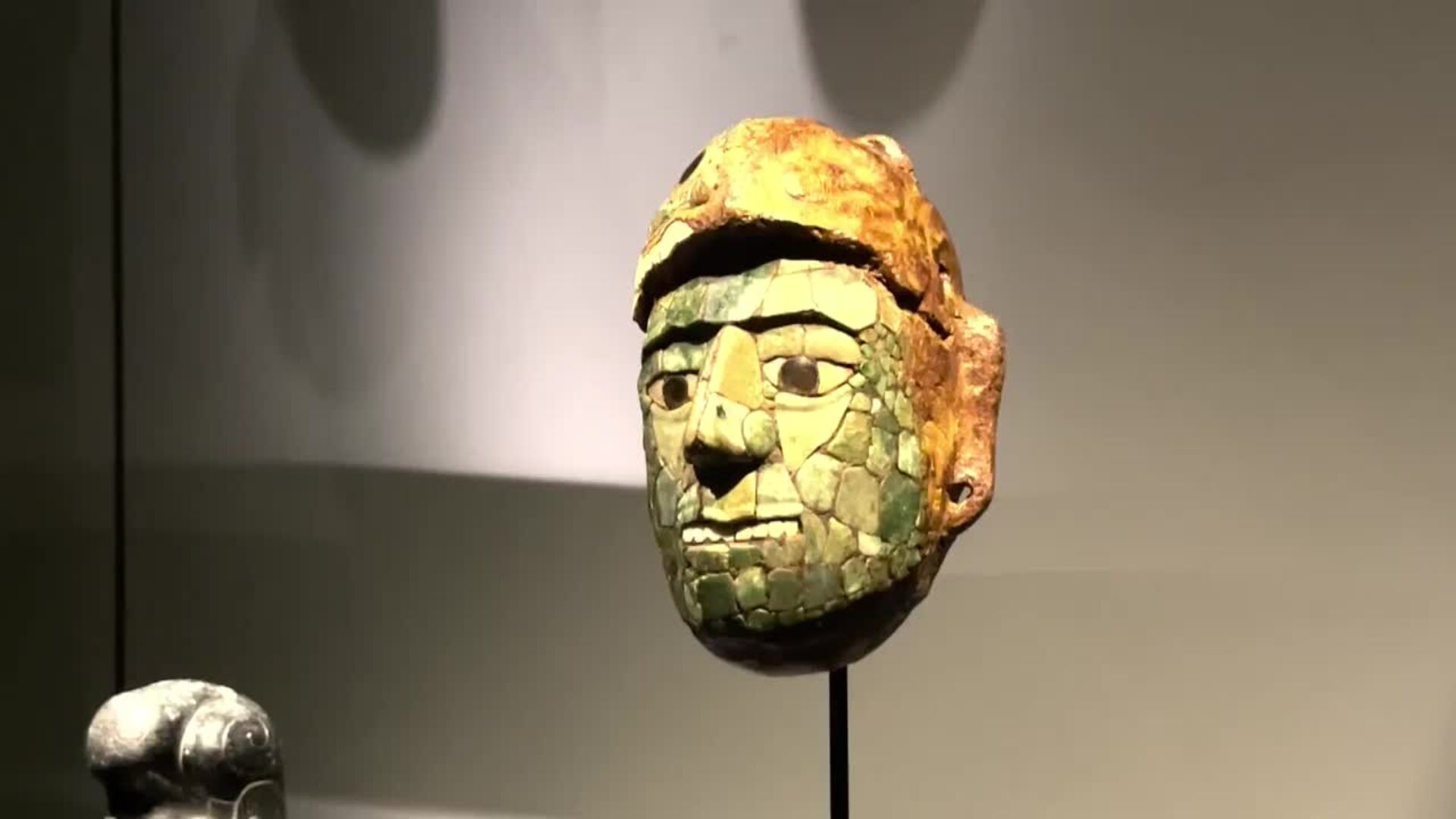
Paris has become the global epicenter for the appreciation of ancient civilizations this summer, as a series of high-profile exhibitions brings pre-Columbian art and artifacts from antiquity to the French capital. These displays, hosted across several prestigious institutions, offer visitors an unprecedented look at the aesthetic and cultural achievements of societies ranging from the Americas to Ancient China and Egypt, according to reports from cultural authorities in France.
The influx of international treasures is part of a broader trend in the European art market and museum sector, where curators are increasingly prioritizing cross-cultural dialogues to contextualize the development of human civilization. By placing pre-Columbian masterpieces alongside artifacts from the Nile Valley and the Yellow River, organizers aim to highlight both the distinct technological advancements of these regions and the universal themes of human creativity.
The Cultural Significance of Pre-Columbian Art in Europe
For decades, the study and display of pre-Columbian art—encompassing the diverse cultures of Mesoamerica, the Andes, and the Caribbean—have moved from the periphery of European art history to a central position in major museum programming. Experts note that these exhibitions are not merely aesthetic displays; they serve as critical platforms for the repatriation of cultural narratives and the reassessment of indigenous craftsmanship. According to the Musée du Quai Branly – Jacques Chirac, which frequently hosts such works, the focus remains on the sophisticated metallurgy, textile production, and stone carving techniques that defined civilizations like the Maya, Aztec, and Inca.
The current Parisian exhibitions emphasize the technical mastery required to create objects that served both ritualistic and utilitarian purposes. By examining these pieces in a comparative context, curators are able to demonstrate that the complexity of ancient American societies was on par with their contemporaries in Eurasia. This shift in perspective is supported by ongoing research into the provenance and historical significance of these collections, as detailed by the Musée du Louvre in its commitment to global historical representation.
Comparative Perspectives: Egypt, China, and the Americas
One of the most compelling aspects of the summer season in Paris is the juxtaposition of disparate civilizations within the same city landscape. While Egypt and China have long been pillars of European museum collections, the integration of pre-Columbian art provides a necessary counterpoint. Historians point out that while these civilizations developed in relative isolation, they share remarkable parallels in their use of monumental architecture and complex social hierarchies.
The Musée Guimet, which specializes in Asian arts, and the French Ministry of Culture continue to coordinate efforts to ensure that artifacts are displayed with the historical rigor required to educate a modern, global audience. These efforts are part of a multi-year initiative to promote international cultural exchange, often involving bilateral agreements that facilitate the loan of rare objects from national museums abroad.
How to Experience These Exhibitions
Visitors planning to view these collections should consult the official websites of the respective museums to confirm opening times and ticket availability, as high demand during the summer season often requires advanced booking. Many of these institutions have implemented digital ticketing systems to manage the significant volume of international tourists. According to the Paris Convention and Visitors Bureau, the city expects a record number of cultural tourists this year, necessitating early planning for those interested in specific ancient history exhibitions.

For those interested in the latest updates regarding the rotation of these artifacts, the French national museum network provides periodic announcements on their official portals. Readers are encouraged to monitor these sites for information regarding upcoming lectures, guided tours, and scholarly events that accompany these displays.
The cultural calendar in Paris remains dynamic, with further updates expected as museums transition into their autumn exhibition schedules. We invite our readers to share their experiences or questions regarding these exhibitions in the comments section below, and to subscribe to our newsletter for continued coverage of the arts and culture sector.