
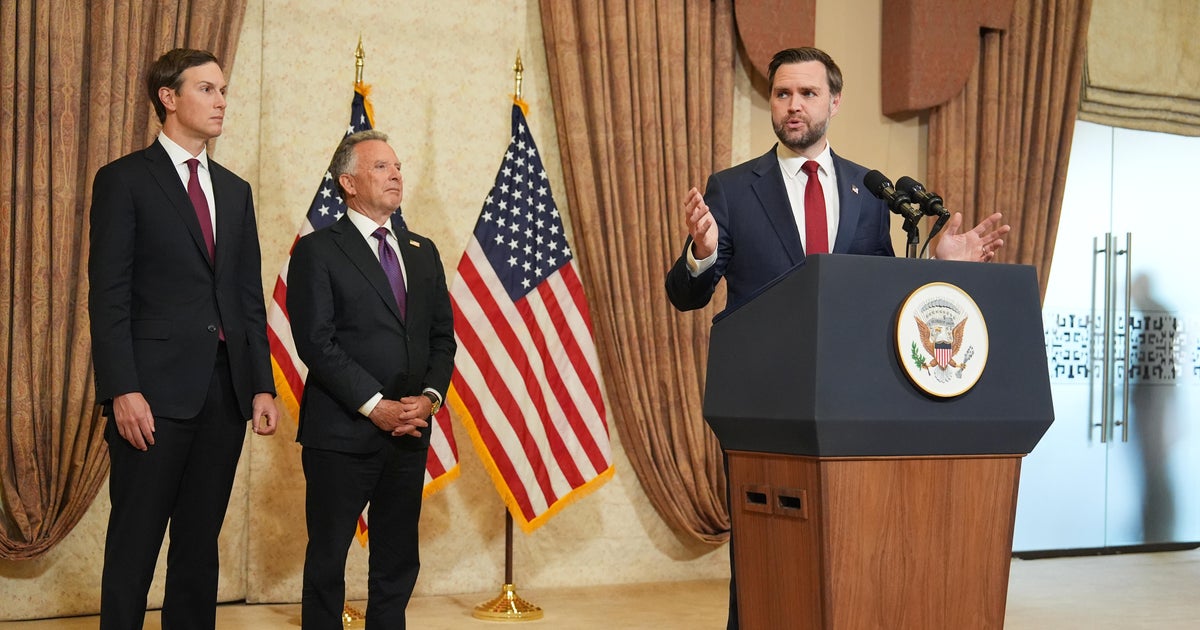
Donald Trump has characterized recent indirect negotiations between the United States and Iran in Doha, Qatar, as “very good meetings,” marking a potential shift in the diplomatic atmosphere between the two nations. These discussions, which involve intermediaries, aim to address long-standing tensions, according to reports from international news outlets. While the administration has reportedly reviewed military options regarding Iran, current efforts remain focused on de-escalation and communication through diplomatic channels.
Diplomatic Engagement and Indirect Channels
The meetings in Doha represent a continuation of indirect dialogue intended to manage the volatile relationship between Washington and Tehran. Because the U.S. and Iran lack formal diplomatic relations, these talks rely heavily on Qatari mediators to relay messages and proposals. According to coverage from Radio Free Europe/Radio Liberty, the presence of officials in Doha signifies an ongoing commitment to testing diplomatic avenues despite significant geopolitical friction.

Donald Trump’s recent public comments suggest a positive assessment of the progress made during these sessions. Speaking on the status of the relationship, Trump stated that the U.S. and Iran are “getting along very well,” a sentiment he reiterated when describing the meetings as “very good.” These statements follow a period of heightened regional volatility, where both nations have navigated competing security interests across the Middle East.
Military Posture and Strategic Options
While diplomatic efforts are active, the U.S. government has continued to evaluate its broader strategic posture. Despite the availability of these operational plans, the administration has maintained a preference for utilizing diplomatic and economic leverage to influence Iranian behavior.

This dual-track approach—maintaining a credible military threat while simultaneously pursuing dialogue—is a hallmark of the current administration’s foreign policy strategy. Analysts note that this strategy is designed to provide the U.S. with maximum flexibility, allowing for rapid pivots based on the success or failure of ongoing negotiations. The Reuters news agency reported that these discussions are being carefully monitored by regional allies who are concerned about the potential for rapid escalation in the Persian Gulf.
What Happens Next
The future of U.S.-Iran relations remains contingent on the outcomes of the indirect talks and the ability of both parties to find common ground on core issues. According to Bloomberg, the meetings in Qatar are set to continue, though no firm timeline for a comprehensive agreement or a formal summit has been established.

For observers tracking these developments, the next point of interest will be the release of any official statements from the U.S. State Department or the Iranian Ministry of Foreign Affairs regarding specific progress or breakthroughs. Updates on these diplomatic maneuvers are expected to be shared through official government portals as the situation evolves. Readers interested in following these developments are encouraged to monitor updates from verified international news sources and official government press releases.
What are your thoughts on the current diplomatic approach between the U.S. and Iran? Join the discussion in the comments section below and share this article with those interested in global affairs.