
Central Japan, encompassing regions such as the Chubu and Koshin-etsu areas, continues to draw high numbers of international travelers, including a consistent influx of visitors from Thailand, due to its combination of efficient infrastructure, diverse culinary offerings, and accessible natural landscapes. According to data from the Japan National Tourism Organization (JNTO), Southeast Asian markets remain a vital component of Japan’s broader tourism strategy, with travelers increasingly seeking experiences outside of the traditional Tokyo-Kyoto corridor.
The appeal of central Japan—a region defined by the Japanese Alps, the Hida Mountains, and the coastlines of the Sea of Japan—is supported by a sophisticated transportation network. The Hokuriku Shinkansen line, which expanded its service to Tsuruga in March 2024, has significantly improved connectivity between the capital and the central prefectures, according to official reports from West Japan Railway Company (JR West). For the international traveler, this infrastructure ensures that mountainous terrain, often characterized by cooler temperatures, remains reachable even during peak summer months.
The Evolution of Regional Connectivity
The modernization of rail transit in central Japan has transformed how visitors interact with the local geography. The extension of the Hokuriku Shinkansen, which officially opened on March 16, 2024, allows for high-speed travel into regions that were previously served by more time-intensive local connections, per statements released by the Ministry of Land, Infrastructure, Transport and Tourism (MLIT). This expansion is part of a long-term government initiative to distribute tourism density more evenly across the archipelago.

Beyond rail, the region utilizes an extensive network of express buses and regional airports, such as Chubu Centrair International Airport (NGO) in Aichi Prefecture. The airport serves as a primary hub for international arrivals, offering direct links to Southeast Asian capitals. Official tourism briefings from the Aichi Prefectural Government highlight that the airport’s integration with the Meitetsu rail line provides a seamless transition for travelers moving from the airport terminal to Nagoya’s central business district or toward the mountainous interior.
Natural Scenery and Seasonal Variations
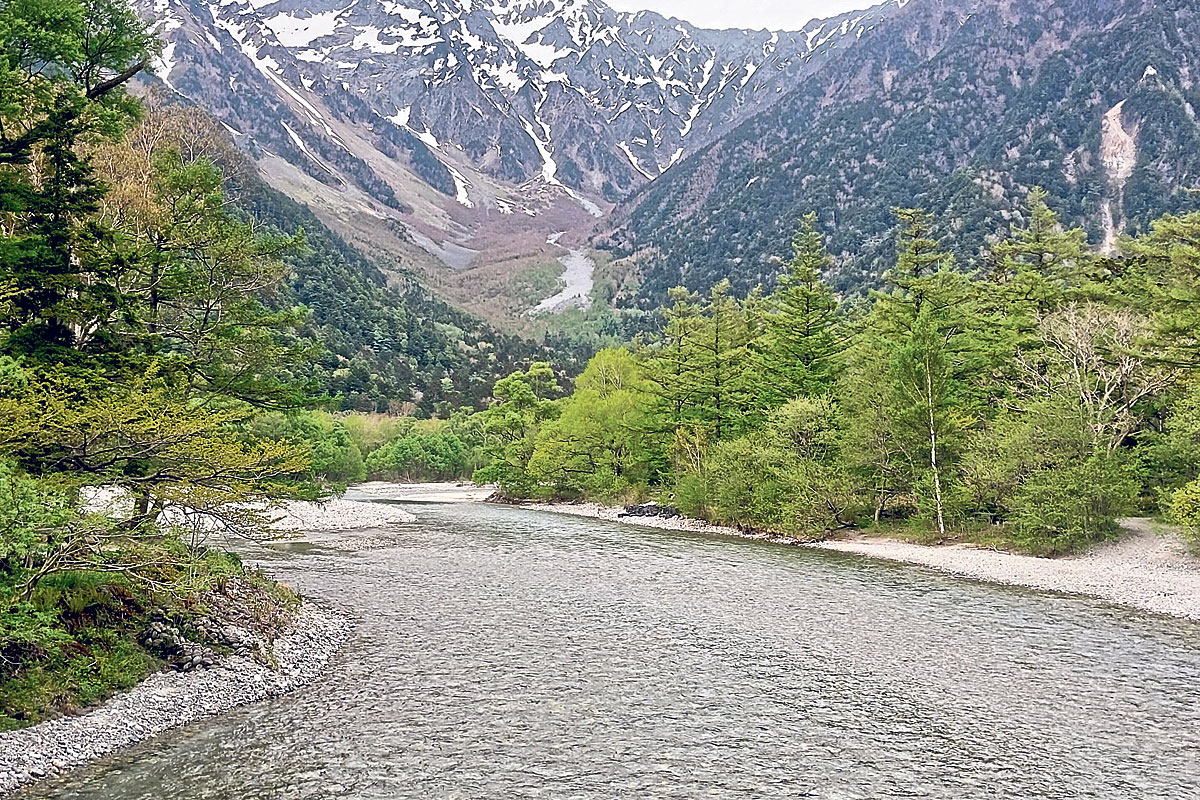
Central Japan is frequently cited by travel authorities for its distinct seasonal changes. The region’s elevation, particularly in areas like Kamikochi in Nagano Prefecture, provides a reprieve from the high humidity levels often experienced in Japan’s coastal lowlands during the summer. According to the Japan Meteorological Agency (JMA), temperatures in the high-altitude valleys of the Japanese Alps can remain significantly lower than in Tokyo or Osaka, a factor that influences travel patterns during the summer months.

The natural topography of the region, including the Tateyama Kurobe Alpine Route, remains a focal point for international tourism. The route, which features the famous snow walls that can reach heights of up to 20 meters in the spring, operates seasonally due to heavy snowfall, as noted by the Tateyama Kurobe Alpine Route official information portal. For travelers, this provides a unique, albeit temporary, window to observe high-altitude terrain that is otherwise inaccessible during the winter.
Culinary Heritage and Local Economies
The culinary landscape of central Japan is deeply tied to its geography, with regions like Niigata known for high-quality rice production and coastal cities such as Kanazawa renowned for seafood from the Sea of Japan. The Japan Tourism Agency (JTA) maintains that food tourism, or “gastronomy tourism,” is a core pillar of the country’s current inbound strategy. By highlighting local ingredients—such as Hida beef in Gifu Prefecture or regional sake varieties—local municipalities are attempting to extend the average length of stay for international visitors.
Economic reports from the Bank of Japan’s regional branch in Nagoya indicate that the tourism sector has acted as a stabilizer for local economies, particularly in prefectures where manufacturing has faced global headwinds. The integration of traditional craftsmanship—such as the lacquerware of Ishikawa Prefecture—with modern tourism amenities has created a diversified visitor experience that appeals to a wide demographic of international tourists.
Looking Ahead
The next major checkpoint for tourism in this region involves the upcoming 2025 Osaka-Kansai Expo, which is expected to influence travel flows throughout central Japan. According to the Japan Association for the 2025 World Exposition, the event is scheduled to run from April 13 to October 13, 2025. Regional tourism boards are currently preparing for an expected increase in international transit, with updates on visitor capacity and transportation adjustments expected through official government channels in the coming months.

Travelers planning to visit central Japan are encouraged to monitor the Japan National Tourism Organization’s official website for real-time updates regarding transportation schedules, regional weather advisories, and site-specific entry requirements. We invite readers to share their own experiences or questions regarding travel in central Japan in the comments section below.