
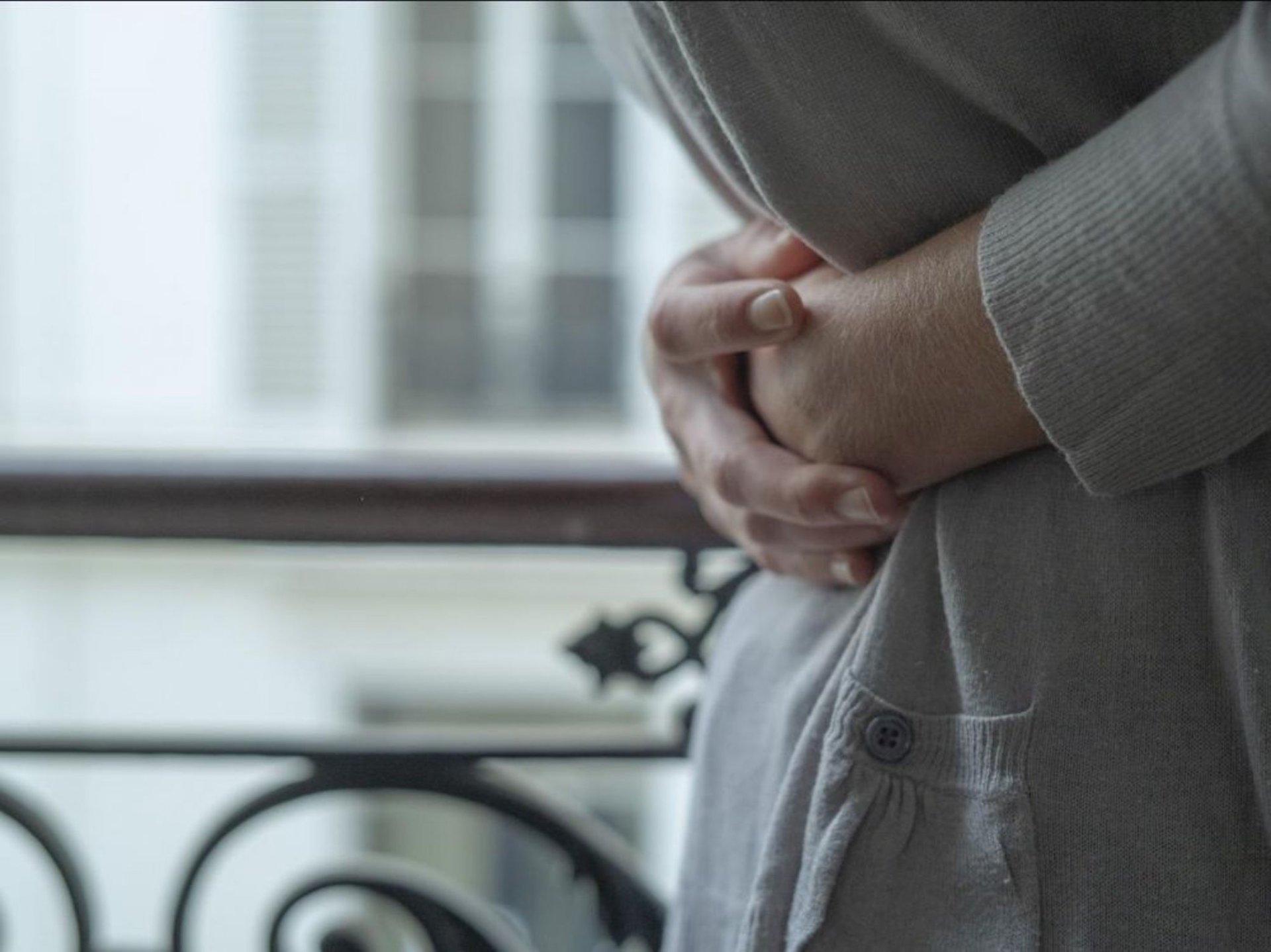
French Polynesia is adding endometriosis to its list of long-term illnesses (ALD), enabling affected patients to receive 100% reimbursement for related medical expenses. This policy change, administered through the Caisse de Prévoyance Sociale (CPS), aims to remove financial barriers for women managing the chronic pain and systemic complications associated with the disease.
The decision recognizes endometriosis as a chronic condition requiring prolonged and costly treatment. Under the long-term illness framework, patients no longer pay out-of-pocket for the specific consultations, surgeries, and medications required to manage the condition, provided the care is linked to the recognized pathology.
Endometriosis occurs when tissue similar to the lining of the uterus grows outside the uterine cavity, often attaching to the ovaries, fallopian tubes, and the lining of the pelvis. According to the World Health Organization, the condition affects millions of women worldwide and can cause severe pelvic pain, infertility, and significant impact on quality of life.
Medical professionals in French Polynesia have advocated for this classification to ensure that diagnostic tools, such as specialized ultrasounds and laparoscopies, are accessible regardless of a patient’s income level. The move follows a growing global trend of recognizing endometriosis not as a routine menstrual issue, but as a complex systemic disease.
What is the ALD status and how does it help patients?
The “Affection de Longue Durée” (ALD) is a designation within the French social security system and its overseas territories that grants full coverage for treatments related to a specific chronic illness. In French Polynesia, this is managed by the Caisse de Prévoyance Sociale (CPS), the territory’s social protection agency.
Normally, health insurance covers a significant percentage of medical costs, leaving the patient to pay a “co-payment” or “ticket modérateur.” However, when a condition is listed as a long-term illness, the reimbursement rate for all care related to that condition increases to 100%. This includes:
- Specialist consultations with gynecologists and pain management experts.
- Prescription medications, including hormonal therapies used to suppress endometrial growth.
- Surgical interventions, such as laparoscopy to remove endometrial lesions.
- Necessary diagnostic imaging and laboratory tests.
For women in French Polynesia, this removes the financial deterrent that often leads to delayed diagnosis. The cost of repeated imaging and the necessity of surgery for confirmation can be prohibitive for many families, often resulting in years of untreated pain.
Why the recognition of endometriosis as a chronic disease matters
The classification of endometriosis as a long-term illness addresses a historical gap in women’s healthcare where chronic pelvic pain was frequently dismissed as “normal” menstruation. By codifying the disease as a long-term illness, the health system formally acknowledges that endometriosis is a permanent or long-term condition that requires a multidisciplinary approach to care.
The impact of this recognition extends beyond financial reimbursement. It creates a standardized pathway for care. When a condition is recognized as an ALD, it often prompts better coordination between primary care physicians and specialists. In the South Pacific context, where geography can limit access to specialized clinics, the guarantee of full coverage encourages patients from outer islands to seek necessary care in Papeete or other medical hubs.
Clinical data indicates that the average delay for an endometriosis diagnosis is often between seven and ten years. This delay is frequently caused by a lack of awareness among general practitioners and the high cost of the diagnostic gold standard—laparoscopic surgery. Full reimbursement reduces the risk that a patient will avoid surgery due to cost, potentially shortening the time between the onset of symptoms and the start of effective treatment.
How this policy differs from mainland France
The approach in French Polynesia presents a notable contrast to the system in mainland France. In metropolitan France, endometriosis is not automatically listed on “List 30,” the registry of conditions that grant automatic ALD status. Instead, patients in mainland France must apply for “ALD hors liste” (ALD outside the list).
To obtain 100% coverage in mainland France, a treating physician must submit a request to the Assurance Maladie, arguing that the patient’s specific case is severe enough to justify the status. A medical advisor then reviews the file to decide if the condition meets the criteria for “severity” and “long-term nature.”

By moving toward a more streamlined recognition in French Polynesia, the territory reduces the administrative burden on both doctors and patients. Rather than fighting for individual exceptions based on severity, the systemic recognition of the disease simplifies the path to care for all diagnosed patients.
| Feature | Mainland France (Metropole) | French Polynesia (New Policy) |
|---|---|---|
| Automatic ALD List | Not included in List 30 | Integrated into long-term illness list |
| Approval Process | Case-by-case review by medical advisor | Simplified recognition based on diagnosis |
| Reimbursement | 100% if “severe” status is granted | 100% for related care |
| Administrative Burden | High (requires physician justification) | Lower (standardized for the pathology) |
What happens next for patients in French Polynesia?
Patients currently diagnosed with endometriosis or those experiencing symptoms should consult their healthcare provider to initiate the ALD application process through the CPS. The physician must document the diagnosis and submit the required medical forms to the social security office to trigger the 100% reimbursement rate.

For those who have already paid for treatments out-of-pocket, the CPS will provide guidance on whether retrospective claims can be made, though typically ALD coverage begins from the date of official approval. Women are encouraged to maintain detailed medical records, including imaging reports and surgical summaries, to expedite the verification process.
The next phase of this healthcare shift involves training more general practitioners in the territory to recognize early warning signs of the disease. This includes identifying symptoms such as dysmenorrhea (painful periods), dyspareunia (pain during intercourse), and chronic pelvic pain that does not respond to standard over-the-counter analgesics.
Official updates regarding the specific implementation dates and the exact forms required for the CPS application are expected to be released via the territory’s health ministry and social security portals.
If you or a loved one are affected by this change, we encourage you to share your experience in the comments or share this article with others who may benefit from this new coverage.