
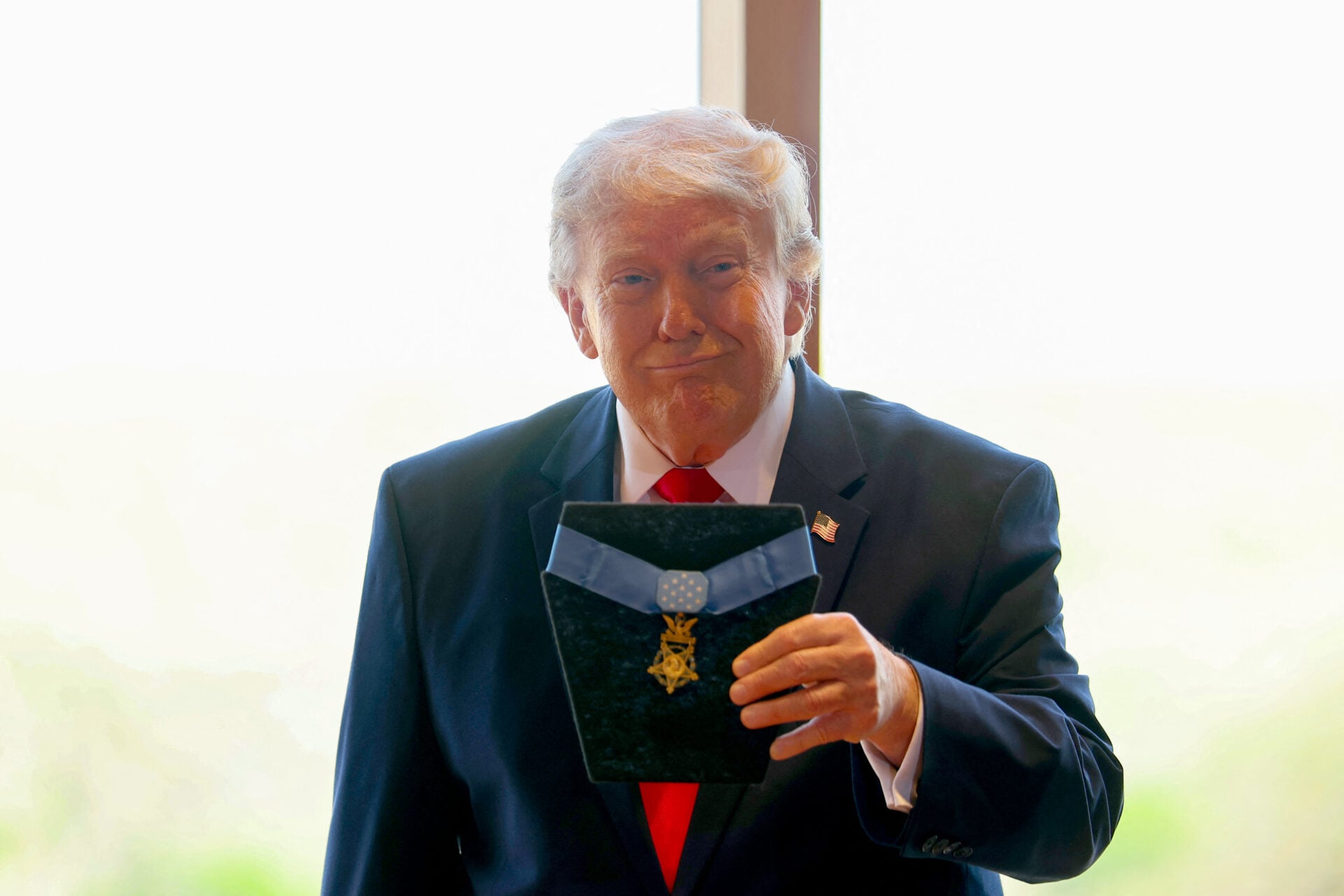
Donald Trump has faced renewed public scrutiny regarding potential conflicts of interest following the disclosure of significant financial gains in recent ethics filings. The documents, which cover income streams including substantial holdings in cryptocurrency, have prompted questions about how he manages personal wealth alongside public office duties.
According to reports, Trump reported income of 2.2 billion dollars, with other reports citing 46,700 million baht, and cryptocurrency earnings of over 1.4 billion dollars in 2025 filings. These filings serve as a primary mechanism for transparency. The disclosures highlight a portfolio that includes digital asset ventures, which critics argue could complicate administrative impartiality.
Understanding the Financial Disclosure Requirements
The U.S. Ethics in Government Act of 1978 mandates that high-level federal officials must disclose their financial assets, liabilities, and income sources annually. This legal framework is designed to prevent the appearance of impropriety by making an official’s financial interests a matter of public record. For a comprehensive look at how these filings are processed, the U.S. Office of Government Ethics provides standardized guidance on the regulatory requirements for executive branch personnel.
Recent media reports have highlighted that a notable portion of the reported income stems from cryptocurrency ventures. In response to the scrutiny regarding these gains, Trump has defended the legitimacy of his investments, stating that anyone can make a profit. He has dismissed concerns that these holdings create an inherent conflict of interest.
The Debate Over Potential Conflicts of Interest
Conflict of interest concerns typically arise when a public official’s private financial holdings could be impacted by their policy decisions. In the case of digital assets, regulators and lawmakers have been actively debating the legal status of cryptocurrencies, with the U.S. Securities and Exchange Commission (SEC) frequently issuing guidance on whether specific tokens should be classified as securities. When an official holds significant assets in a sector that is subject to ongoing federal regulation, the potential for perceived or actual bias becomes a focal point of public discourse.
Critics argue that the scale of these earnings requires a higher level of scrutiny. They contend that the volatility and relative novelty of the cryptocurrency market make it particularly sensitive to executive-level rhetoric and policy shifts. Conversely, supporters maintain that he has operated within the bounds of existing financial disclosure laws and that his private business activities are separate from his priorities.
Historical Context and Regulatory Oversight
The intersection of private business and public service is a recurring theme in American political history. Trump has maintained a different approach to his business empire. The U.S.

As the conversation regarding these latest filings continues, the focus remains on whether existing laws are sufficient to address the complexities of modern wealth, particularly in digital and decentralized markets. The current disclosure documents serve as the primary evidence for ongoing discussions in both the media and legislative chambers, where calls for stricter oversight of executive finances are frequently raised.
The next scheduled updates regarding these financial disclosures will occur during the next mandatory filing cycle as mandated by the Office of Government Ethics reporting schedule. Observers expect that any future changes to his portfolio will continue to be closely monitored by both political opponents and regulatory bodies. Readers are encouraged to monitor official government portals for the most accurate and up-to-date information regarding these filings. How do you view the balance between private wealth and public service in the current political climate? Share your thoughts in the comments section below.